
*COMPETITIVE AGENCY FEE*
And many many Profiles that are not shown here
CALL 93361824 for profiles viewing and interview
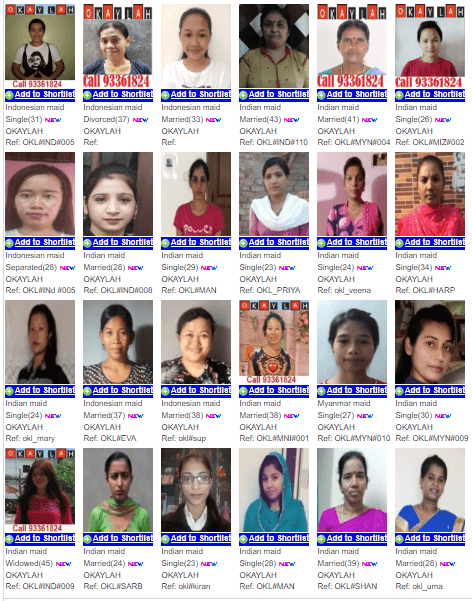
INDIA, FILIPINO, MYANMAR, INDONESIA, BANGLADESH, SRILANKA
PUNJAB, SIKKIM, MIZORAM, DARJEELING, TAMIL TELGU ,GUJRAT
*Submit Your Requirement*
What Makes a Good Live-In Helper for Elderly Care and Childcare?

Finding the right live-in helper for elderly care and childcare is an important decision for any household. A helper does more than complete domestic tasks; they may support a child's daily routine, assist an elderly family member, prepare meals, and provide companionship. Because the role involves trust, responsibility, and close daily interaction, families should look beyond experience alone when choosing a suitable candidate.
For households in Singapore, working with a reliable maid agency can make the selection process more structured and transparent. Whether a family is considering an Indian maid or a helper from another background, the most important qualities remain professionalism, dependability, patience, and genuine care.
1. Essential Qualities of a Good Live-In Helper
A successful live-in helper should be capable of managing practical responsibilities while also adapting to the emotional needs of different family members. Elderly care and childcare require different approaches, but both depend on a calm and responsible personality.
Key qualities to look for include:
Patience and compassion
Children may need repeated reminders, while elderly family members may move slowly or require assistance with everyday activities. A patient helper responds calmly rather than becoming frustrated.
Reliability and responsibility
A live-in helper often manages important routines, such as preparing meals, accompanying a senior to appointments, or ensuring that children are safely supervised. Reliability is essential because families must be able to depend on the helper consistently.
Good communication skills
Clear communication helps prevent misunderstandings. A good helper should be comfortable asking questions, reporting concerns, and following household instructions.
Willingness to learn
Every household operates differently. A helper may need to learn specific dietary requirements, medication schedules, childcare preferences, or safety procedures.
Respect for privacy and boundaries
Since a live-in helper shares the household environment, mutual respect is important. Professional conduct and discretion help create a comfortable relationship between the helper and the family.
These qualities are especially valuable when an Indian maid or any other live-in helper is expected to care for both children and elderly relatives.
2. Skills for Elderly Care
Elderly care requires attentiveness, empathy, and an understanding of the senior's individual needs. A helper may not be a trained medical professional, but they should be able to provide practical daily support and recognise when something appears unusual.
A suitable helper may assist with:
Daily activities, including bathing, dressing, walking, and eating, where appropriate
Meal preparation, especially when the elderly person has dietary restrictions
Medication reminders, according to instructions provided by the family or medical professionals
Mobility and safety, such as reducing slip hazards and offering support when moving around the home
Companionship, through conversation, simple activities, or short walks
Observation and communication, reporting changes in mood, appetite, mobility, or general condition
A caring helper should also understand that elderly people may value independence. Assistance should be offered respectfully, without making the senior feel helpless. Families should clearly explain the level of care required and determine whether the candidate has handled similar responsibilities before.
3. Skills for Childcare
Childcare involves both supervision and positive engagement. A good live-in helper should understand that children need consistency, encouragement, and careful attention to safety.
Important childcare abilities include:
Maintaining safe supervision
The helper should know where the children are and remain alert to potential risks, particularly around kitchens, bathrooms, stairs, balconies, and outdoor areas.
Following routines
Consistent mealtimes, naps, school preparation, and bedtime routines can help children feel secure.
Preparing suitable meals
The helper should be able to prepare age-appropriate food while following the parents' instructions regarding allergies, nutrition, and portion sizes.
Supporting learning and development
Reading, creative play, and educational activities can help children develop confidence and useful skills.
Using positive discipline
Parents should communicate their preferred approach to discipline. A helper should respond firmly but respectfully, without shouting or using inappropriate punishment.
Handling emergencies
Basic first-aid awareness and knowledge of emergency contacts are valuable. Families should also provide clear instructions on what to do if a child becomes ill or suffers an injury.
When a helper is responsible for both children and elderly family members, time management becomes particularly important. The family should discuss priorities and ensure that the workload is reasonable.
4. How a Maid Agency Can Support the Selection Process
Choosing a live-in helper independently can be time-consuming. A professional maid agency Singapore families trust may help with documentation, candidate screening, interviews, and work permit procedures. However, families should still take an active role in assessing whether a candidate suits their household.
Before making a decision, families can:
Prepare a detailed job description
List the expected duties, working arrangements, care responsibilities, rest days, and household preferences.
Review experience carefully
Ask about previous work with children, elderly people, newborns, or individuals with mobility concerns.
Conduct a structured interview
Use practical questions, such as how the candidate would respond to a child's fever or an elderly person refusing assistance.
Clarify expectations early
Discuss communication methods, food preferences, religious or cultural considerations, privacy, and household rules.
Check references where possible
Feedback from previous employers may provide useful insight into the candidate's reliability and working style.
An established indian maid agency may also help families understand a candidate's background, experience, and suitability for particular care needs. Regardless of nationality, the selection should be based on capability, character, and compatibility rather than assumptions.
Building a Respectful Working Relationship
Even the most experienced helper will perform better in a household where expectations are clear and communication is respectful. Families should provide proper orientation, demonstrate important routines, and allow the helper time to adjust.
Regular conversations can help identify concerns before they become serious. Employers should also respect agreed rest days and provide a safe, suitable living arrangement. In return, the helper should follow household guidelines, protect the family's privacy, and communicate honestly about challenges.
Conclusion
A good live-in helper for elderly care and childcare is patient, dependable, observant, adaptable, and respectful. The right person can provide practical assistance while also offering companionship and emotional support to vulnerable family members. By defining responsibilities clearly, assessing experience carefully, and working with a reputable maid agency, families can make a more informed choice.
For households considering an Indian maid, partnering with an experienced service provider such as Okaylah Maid Agency may help simplify the search and matching process. Ultimately, successful caregiving depends not only on skills, but also on trust, communication, and mutual respect-qualities that turn domestic assistance into meaningful support for the whole family.
How to Support a Positive Relationship Between a Maid and an Elderly Parent - Okaylah Maid Agency
When a family hires a maid to care for an elderly parent, the arrangement can provide valuable assistance, companionship, and peace of mind. However, a successful caregiving relationship does not happen automatically. It requires clear communication, mutual respect, realistic expectations, and ongoing support from the family.
Whether you are engaging an Indian maid, working with an indian maid agency, or selecting services through a trusted maid agency in Singapore, the goal should be to build a cooperative relationship that benefits everyone. A positive connection helps the elderly parent feel respected and secure while allowing the maid to perform her responsibilities with confidence.
1. Establish Clear Expectations from the Beginning
Many misunderstandings arise because duties and boundaries are not clearly explained. Before the maid begins work, the family should discuss the elderly parent's routine, health needs, preferences, and household responsibilities.
Consider preparing a simple caregiving plan that includes:
Daily routines: Meal times, medication reminders, bathing schedules, exercise, and rest periods.
Medical requirements: Doctor's appointments, mobility limitations, dietary restrictions, and warning signs that require attention.
Household duties: Whether the maid is expected to prepare meals, clean the elderly parent's room, do laundry, or assist with other household tasks.
Personal preferences: Favourite foods, sleeping habits, religious practices, and preferred forms of communication.
Emergency procedures: Contact details for family members, doctors, neighbours, and emergency services.
The elderly parent should also be included in this conversation whenever possible. Even if the maid is hired primarily as a caregiver, the parent deserves to understand what support will be provided and how the daily routine may change. This involvement promotes dignity and reduces feelings of losing independence.
2. Encourage Respectful Communication
A maid and an elderly parent may come from different generations, cultures, or language backgrounds. These differences can occasionally create confusion, but they can also become an opportunity for learning and companionship.
Family members can encourage positive communication by following several practical steps:
Use simple and polite language: Avoid giving rushed instructions or using an impatient tone.
Confirm understanding: Ask the maid to repeat important instructions, particularly those relating to medication or medical appointments.
Listen to the elderly parent: Take complaints and concerns seriously, while also allowing the maid to explain her perspective.
Address problems early: Small misunderstandings can become major conflicts if they are ignored.
Respect cultural differences: Be considerate of food preferences, religious practices, personal space, and communication styles.
For example, an elderly parent may interpret quietness as a lack of concern, while an Indian maid may be trying to show respect by speaking less. Open discussion can help both parties understand one another more accurately.
Families should also avoid using family members, especially elderly parents, as messengers during conflicts. If an issue arises, speak directly and calmly with the person involved. This prevents confusion and helps preserve trust.
3. Balance Assistance with Independence
Caregiving is not about doing everything for an elderly parent. In many cases, elderly individuals want to remain involved in their own routines and decisions. A maid should provide appropriate support without unnecessarily taking away the parent's independence.
The family can establish a balanced approach by deciding:
Which activities the elderly parent can safely complete alone.
Which tasks require supervision or physical assistance.
When the maid should offer help and when she should wait to be asked.
How the elderly parent can continue making choices about meals, clothing, activities, and schedules.
For instance, a maid may prepare clothing but allow the elderly parent to choose what to wear. She may accompany the parent during a walk without controlling every movement. These small choices can have a significant effect on confidence and emotional well-being.
At the same time, the maid should not be expected to manage serious medical or mobility risks without proper instructions. If the parent requires specialised care, family members should consult healthcare professionals and ensure that the maid receives suitable guidance.
4. Provide Training, Feedback, and Emotional Support
A maid may be experienced in household work but unfamiliar with the specific needs of an elderly person. Clear training is therefore essential, particularly when the parent has dementia, limited mobility, hearing difficulties, or dietary restrictions.
Families should provide:
Practical orientation: Demonstrate how to use household equipment, mobility aids, medication organisers, and safety devices.
Written instructions: Keep important information in an accessible place.
Regular check-ins: Ask how the arrangement is progressing and whether additional help is needed.
Constructive feedback: Focus on specific behaviours rather than making personal criticisms.
Reasonable rest and privacy: A caregiver who is overworked may become stressed and less effective.
It is also important to recognise good work. A simple expression of appreciation can strengthen morale and encourage continued cooperation. Similarly, elderly parents should be encouraged to express gratitude when the maid provides useful assistance.
If the family has concerns that cannot be resolved internally, a professional maid agency can help mediate. An established maid agency in Singapore, such as Okaylah Maid Agency, may also provide guidance on placement, expectations, and communication between employers and domestic helpers. Families should clarify the agency's support services before making a hiring decision.
5. Build a Team Around the Elderly Parent
The maid should not be the only person responsible for the elderly parent's physical and emotional well-being. Family members must remain involved, even when the maid provides daily care.
A strong support system may include:
Regular family visits or video calls.
Shared responsibility for medical appointments and important decisions.
Clear communication among family members.
Occasional breaks for the maid, arranged responsibly.
Activities that involve both the elderly parent and the maid, such as walks, cooking, music, or simple conversations.
Family involvement reassures the elderly parent that the maid is an additional source of support, not a replacement for loved ones. It also allows relatives to observe the arrangement and respond quickly if needs change.
Conclusion
A positive relationship between a maid and an elderly parent is built through clarity, patience, respect, and consistent family involvement. By setting clear expectations, encouraging open communication, protecting independence, providing training, and creating a reliable support system, families can develop a caregiving arrangement that is both practical and compassionate.
Choosing the right helper through an experienced Indian maid agency or reputable maid agency can provide a strong foundation, but the family's daily encouragement remains equally important. When everyone works together, caregiving becomes more than a set of household duties-it becomes a respectful partnership that supports the elderly parent's comfort, dignity, and quality of life.
What to Prepare at Home Before an Elderly Care Maid Arrives - Okaylah Maid Agency
Welcoming an elderly care maid into your home is an important step toward providing consistent, compassionate support for an ageing family member. Whether you engage an Indian maid through an Indian maid agency or work with a trusted maid agency in Singapore, preparing the home in advance can make the transition smoother for everyone.
A well-organised environment helps the maid understand her responsibilities, reduces safety risks, and allows her to focus on the elderly person's comfort and daily needs. From creating a suitable sleeping area to preparing medical information, here are the essential steps to take before the maid arrives.
1. Prepare a Safe and Comfortable Living Space
The first priority is to ensure that both the elderly person and the maid have a clean, safe, and practical environment. A comfortable home encourages a positive working relationship from the beginning.
Before the maid arrives, consider completing these tasks:
Prepare her sleeping area
Provide a clean bed, fresh linens, adequate ventilation, and sufficient storage for clothing and personal belongings. If she will sleep in a separate room, ensure that it has basic privacy and lighting. If space is limited, discuss the sleeping arrangement clearly and ensure it is respectful and comfortable.
Remove common household hazards
Clear loose rugs, electrical wires, clutter, and unstable furniture from walkways. Elderly individuals may have difficulty balancing, so open and well-lit pathways are especially important.
Install safety equipment where necessary
Handrails, non-slip mats, shower chairs, bedside lamps, and bathroom grab bars can help prevent falls. Check that frequently used areas, including the bedroom, bathroom, kitchen, and living room, are easy to access.
Check essential appliances
Make sure the washing machine, cooker, kettle, vacuum cleaner, and other appliances are functioning properly. Label or explain unfamiliar equipment so the maid can use it safely.
A safe home is not only beneficial for elderly care but also helps the new maid perform household duties with greater confidence.
2. Organise Medical and Personal Care Information
An elderly care maid needs accurate information about the senior's health, routines, and limitations. Do not assume that verbal instructions alone will be sufficient, particularly during the first few weeks.
Prepare a simple care file containing:
The elderly person's full name, age, and emergency contact details
Medical conditions, allergies, and mobility limitations
A list of prescribed medicines and dosage instructions
Doctor's names, clinic addresses, and appointment schedules
Dietary restrictions or food allergies
Preferred bathing, sleeping, and meal routines
Instructions for using mobility aids, hearing aids, or other devices
Medication should be stored securely and organised according to the doctor's instructions. If the elderly person takes several medicines daily, a pill organiser or written schedule may reduce confusion. However, the maid should never change a dosage or provide new medication without clear instructions from the family or a medical professional.
It is also useful to prepare a list of warning signs that require immediate attention, such as chest pain, breathing difficulties, sudden weakness, confusion, or a fall. Include emergency numbers and explain when to contact family members, a doctor, or emergency services.
3. Stock Up on Household and Care Supplies
A new maid should not have to guess where essential items are located or discover that necessary supplies are missing. Stocking the home beforehand allows daily care to begin without unnecessary stress.
Useful supplies may include:
Adult diapers or incontinence pads, if required
Wet wipes, tissues, disposable gloves, and sanitising products
Mild soap, shampoo, moisturiser, and other personal-care items
Comfortable clothing and non-slip footwear
Basic first-aid materials
Easy-to-prepare groceries and nutritious snacks
Cleaning products suitable for the household
Spare batteries for medical devices or remote controls
Keep frequently used items in clearly labelled locations. For example, place personal-care products in the bathroom, medicines in a designated cabinet, and cleaning tools in one storage area. A simple home layout will help the maid become familiar with the household more quickly.
If the elderly person follows a special diet, prepare a weekly meal plan. Include information about foods to avoid, appropriate portion sizes, and preferred meal times. This is particularly helpful when the maid is responsible for grocery shopping and cooking.
4. Set Clear Expectations and Household Guidelines
Many misunderstandings can be avoided through an honest and detailed discussion before or immediately after the maid's arrival. Families should explain not only what tasks need to be completed, but also how the elderly person prefers to receive care.
Discuss the following points:
The maid's daily schedule and rest periods
Main caregiving responsibilities
Household chores that are included in her duties
Whether she will accompany the elderly person to medical appointments
Rules regarding visitors, phone use, and personal time
Preferred communication methods with family members
Religious, cultural, or dietary preferences
How to report accidents, concerns, or changes in the elderly person's condition
When hiring through an indian maid agency or another reputable maid agency, families should also clarify employment terms, rest days, salary arrangements, and relevant requirements in Singapore. A professional maid agency in Singapore can help both employers and domestic helpers understand their responsibilities and follow proper employment procedures.
It is important to remember that an elderly care maid is a caregiver and household employee-not a replacement for family involvement. Regular communication, appreciation, and practical support will help build trust.
5. Plan the First Week of Adjustment
The first few days should be treated as an adjustment period. Even an experienced Indian maid may need time to learn the home's layout, the elderly person's personality, and the family's preferred routines.
To make the transition easier:
Give a guided tour of the home.
Demonstrate how to assist with walking, bathing, dressing, and meals.
Allow the maid to observe the elderly person's routine before taking full responsibility.
Introduce her to nearby shops, clinics, and transport options.
Hold a short review after several days to discuss what is working and what needs improvement.
Clear demonstrations are often more effective than general instructions. Families should also avoid giving too many tasks at once. Begin with the most important caregiving duties, then gradually introduce additional household responsibilities.
Conclusion
Preparing the home before an elderly care maid arrives involves more than cleaning a room. It requires creating a safe environment, organising medical information, stocking essential supplies, and establishing clear expectations. These preparations help the maid provide better care while giving the elderly person reassurance and stability.
By working with a reliable Indian maid agency or established maid agency in Singapore, families can receive guidance throughout the hiring and adjustment process. Ultimately, successful elderly care depends on teamwork, communication, and respect. When a new maid enters a prepared and supportive home, she is better equipped to make a meaningful difference in the senior's everyday life.
What Skills Matter Most in Elderly Care Maid Placement? - Okaylah Maid Agency
Choosing a domestic helper for elderly care is a significant decision. Unlike general household assistance, elderly care requires patience, emotional awareness, physical capability, and a genuine sense of responsibility. The right caregiver can help an older person remain safe, comfortable, and independent at home, while also giving family members greater peace of mind.
For this reason, elderly care maid placement should involve more than matching availability with a household's requirements. Families should assess whether a candidate has the practical skills, personal qualities, and experience needed to support an elderly person's daily life. With guidance from a professional maid agency in Singapore, such as Okaylah Maid Agency, families can make a more informed and suitable placement decision.
1. Patience and Emotional Understanding
Elderly individuals may experience slower mobility, memory difficulties, hearing problems, or changes in mood. Some may need to repeat questions, take longer to complete daily activities, or require encouragement before accepting assistance. Patience is therefore one of the most important qualities in a caregiver.
A suitable elderly care maid should be able to:
Listen attentively without becoming frustrated.
Communicate in a calm and respectful manner.
Remain patient when routines take longer than expected.
Recognise signs of loneliness, anxiety, or confusion.
Offer reassurance while preserving the elderly person's dignity.
Emotional sensitivity is especially valuable when caring for seniors who have dementia or limited mobility. A caregiver who treats the elderly person with respect can help create a more positive and secure home environment. Families should consider asking placement agencies about a candidate's previous caregiving experiences and how she handled challenging situations.
2. Practical Elderly Care Skills
Elderly care often involves a variety of daily tasks. Depending on the senior's condition, a maid may be expected to assist with bathing, dressing, toileting, eating, walking, and medication reminders. While not every caregiver must have advanced medical training, she should understand basic care responsibilities and know when to seek help.
Important practical skills include:
Assisting with safe movement from the bed to a chair or wheelchair.
Supporting personal hygiene while maintaining privacy and dignity.
Preparing meals that suit the senior's dietary needs.
Providing medication reminders according to the family's instructions.
Observing changes in appetite, mobility, mood, or physical condition.
Keeping the bedroom, bathroom, and walking areas clean and safe.
Responding appropriately if the senior falls or feels unwell.
A caregiver should never be expected to diagnose illnesses or make medical decisions independently. However, she should be observant and able to report concerns quickly to family members or healthcare professionals. During the placement process, families should clearly explain the senior's condition, daily routine, mobility level, and care expectations.
3. Communication and Language Ability
Clear communication is essential in every caregiving arrangement. The maid must understand instructions from family members and communicate effectively with the elderly person. This becomes even more important when the senior has hearing difficulties, speech limitations, or memory-related conditions.
Strong communication skills enable a caregiver to:
Explain daily activities patiently and clearly.
Confirm that the elderly person understands what is happening.
Share updates with family members.
Report accidents, symptoms, or changes in behaviour.
Coordinate with doctors, nurses, therapists, or other caregivers when required.
Families should assess whether a candidate can understand the household's preferred language or communication style. Some elderly people may feel more comfortable speaking a familiar language or dialect. A suitable indian maid, for example, may have experience communicating with seniors from different cultural backgrounds, but language ability should always be evaluated based on the individual household's needs rather than nationality alone.
4. Reliability, Cleanliness, and Safety Awareness
Trust is at the heart of elderly care. A caregiver may be responsible for assisting with intimate personal tasks, managing household routines, and spending long periods alone with the senior. Reliability and honesty are therefore essential qualities.
A dependable caregiver should:
Follow agreed routines consistently.
Arrive on time and complete assigned responsibilities.
Handle household items and personal belongings respectfully.
Maintain proper hygiene when preparing food or assisting with care.
Keep emergency contacts and important instructions accessible.
Identify household hazards such as wet floors, loose rugs, or poor lighting.
Respect the family's privacy and confidentiality.
Safety awareness can significantly reduce the risk of accidents. A caregiver should be alert to fall hazards, unsafe electrical appliances, poor bathroom access, and other potential dangers. She should also understand basic emergency procedures and know whom to contact when an urgent situation occurs.
5. Adaptability and Willingness to Learn
Every elderly person has different needs. Some may require light companionship and housekeeping, while others may need extensive support with mobility or personal care. A good match depends on the caregiver's ability to adapt to the senior's routine and changing condition.
During an interview or assessment, families may wish to consider whether the candidate is willing to:
Learn new care techniques.
Follow household instructions.
Adjust to dietary or religious requirements.
Use mobility aids correctly.
Attend relevant training courses.
Accept constructive feedback.
Work cooperatively with family members.
This quality is particularly important because elderly care needs may change over time. A senior who is relatively independent today may require additional assistance later. A caregiver who is responsible, flexible, and eager to learn is more likely to remain effective as circumstances develop.
How a Maid Agency Can Support the Placement Process
Working with a reputable indian maid agency or professional maid agency can make the selection process more structured. An agency such as Okaylah Maid Agency can help families review candidates according to experience, language ability, caregiving background, and household requirements.
Before making a decision, families should:
Provide a detailed description of the elderly person's needs.
Discuss medical, mobility, dietary, and personal care requirements.
Review the candidate's previous employment and caregiving experience.
Ask about training, references, and communication abilities.
Clarify duties, rest arrangements, salary, and employment expectations.
Establish a clear transition and orientation plan after placement.
It is also wise to involve the elderly person in the decision whenever possible. A caregiver may have the correct experience, but personal compatibility and mutual comfort are equally important.
Conclusion
The most valuable skills in elderly care maid placement include patience, practical caregiving ability, clear communication, reliability, safety awareness, and adaptability. These qualities help ensure that an elderly person receives not only physical assistance but also respect, companionship, and emotional support.
Selecting the right caregiver is not simply about filling a household position. It is about creating a dependable relationship built on trust and dignity. With careful planning and support from a professional maid agency Singapore families can find a caregiver who contributes meaningfully to their loved one's quality of life. Ultimately, the best placement is one in which competent care and genuine human compassion work together every day.
How to Hire a Maid for Mobility Support and Daily Assistance - Okaylah Maid Agency
Hiring a maid to assist with mobility and everyday tasks can significantly improve the comfort, safety, and independence of an elderly family member or someone recovering from illness or injury. However, finding the right helper involves more than selecting a candidate based on availability. The maid must have the right attitude, practical skills, communication abilities, and experience to provide dependable support at home.
For families in Singapore, working with a reputable maid agency can simplify the hiring process. An experienced agency such as Okaylah Maid Agency can help employers identify suitable candidates, understand employment requirements, and prepare for a successful working arrangement. Here is a practical guide to hiring a maid for mobility support and daily assistance.
1. Assess Your Family Member's Needs
Before contacting a maid agency Singapore families trust, begin by identifying the level and type of assistance required. Mobility needs can differ substantially from one person to another. Some individuals may only need support when walking, while others may require help transferring from a bed to a wheelchair or using the bathroom.
Consider the following questions:
Does the care recipient walk independently, use a walking frame, or rely on a wheelchair?
Is assistance required during transfers, such as moving from a bed to a chair?
Does the person need support with bathing, dressing, grooming, or toileting?
Are there medical conditions that affect balance, strength, memory, or coordination?
Is assistance needed throughout the day, at night, or only during specific routines?
Will the maid also be responsible for cooking, cleaning, laundry, or grocery shopping?
A clear assessment helps the agency recommend a suitable candidate. It also allows the employer to provide honest information during the hiring process, reducing the likelihood of misunderstandings after the maid arrives.
If the care recipient has complex medical needs, consult a doctor, occupational therapist, or trained caregiver. A maid may provide daily support, but she should not be expected to perform medical procedures without proper training and authorisation.
2. Look for the Right Skills and Personal Qualities
When hiring an Indian maid or a helper of any nationality, employers should focus on suitability rather than assumptions based on background alone. Mobility assistance requires patience, attentiveness, and physical awareness. The maid should be able to follow instructions carefully and communicate respectfully with the care recipient.
Important qualities and skills include:
Experience caring for elderly individuals or people with limited mobility
Understanding of safe walking and transfer assistance
Patience when completing routines at a slower pace
Ability to observe changes in mood, appetite, balance, or behaviour
Good communication skills in a language the household understands
Willingness to follow household routines and care instructions
Basic knowledge of hygiene, fall prevention, and household safety
During interviews, ask the candidate about previous caregiving responsibilities. For example, find out whether she has assisted someone who used a wheelchair, walking frame, or transfer chair. Employers may also ask how she would respond if the care recipient felt dizzy while walking or refused assistance.
An experienced indian maid agency may be able to provide background information about a candidate's previous employment and relevant experience. Nevertheless, employers should still conduct their own interview and confirm that the candidate understands the actual responsibilities involved.
3. Work With a Reputable Maid Agency
Choosing a reliable maid agency can make the hiring process more organised and transparent. The agency should explain the relevant employment procedures, costs, documentation, insurance requirements, and placement terms before the employer makes a decision.
When comparing agencies, consider these factors:
Candidate screening: Ask how the agency verifies experience, references, identity, and employment history.
Experience matching: Confirm whether the agency takes mobility and caregiving requirements into account.
Interview support: A good agency should help employers prepare relevant questions and communicate expectations clearly.
Documentation and compliance: Ensure the agency explains the applicable regulations and required paperwork in Singapore.
Replacement or transfer policies: Understand what support is available if the arrangement does not work out.
After-placement assistance: Ask whether the agency provides guidance when challenges arise after the maid begins work.
Okaylah Maid Agency can assist families by helping them navigate the selection process and identify candidates according to their household needs. Employers should provide detailed information from the beginning, including the care recipient's mobility level, daily schedule, temperament, and any special equipment used at home.
4. Prepare the Home and Establish a Care Routine
Even a capable maid will need time to understand the household and learn the care recipient's preferences. Before the maid starts work, prepare a written routine covering daily tasks, meal times, medication reminders, appointments, rest periods, and emergency contacts.
The home should also be assessed for safety. Practical improvements may include:
Removing loose rugs and unnecessary obstacles from walkways
Ensuring hallways and bathrooms are well lit
Installing grab bars where appropriate
Keeping frequently used items within easy reach
Placing walking aids and wheelchairs in accessible locations
Using non-slip mats in suitable areas
Keeping emergency telephone numbers clearly displayed
Employers should demonstrate, rather than simply describe, how to assist with transfers and mobility. If a transfer requires specialised technique, obtain guidance from a qualified professional. The maid should never be encouraged to lift a person beyond her physical ability, as this may cause injury to both the helper and the care recipient.
Clear boundaries are equally important. Explain which responsibilities are expected, who will provide instructions, and how concerns should be reported. A respectful working relationship helps the maid feel confident while ensuring consistent care.
5. Review the Arrangement Regularly
The care recipient's condition may change over time. Someone who needs only light support today may require more assistance later, while another person may regain strength after rehabilitation. For this reason, employers should review the arrangement regularly.
A simple monthly review can cover:
Whether the maid is managing the workload safely
Whether the care recipient feels comfortable and respected
Any changes in mobility, behaviour, or health
New household or caregiving tasks
Training or equipment that may be needed
Concerns that should be discussed with the agency
Open communication is essential. Employers should provide constructive feedback and give the maid an opportunity to explain difficulties. If disagreements persist or the care requirements become more complex, contact the maid agency Singapore families can rely on for professional guidance.
Conclusion
Hiring a maid for mobility support and daily assistance requires thoughtful planning, accurate communication, and careful candidate selection. Families should begin by assessing their needs, look for relevant caregiving skills, choose a reputable agency, prepare a safe home, and review the arrangement regularly.
With the support of an experienced agency such as Okaylah Maid Agency, employers can approach the process with greater clarity and confidence. The right maid is not simply someone who completes household chores; she can become an important source of daily support, companionship, and reassurance. Ultimately, the best hiring decision is one that protects the care recipient's dignity while creating a fair, respectful, and sustainable working relationship.
Elderly Care Maid vs Caregiver: Which One Is Best for Your Home? - Okaylah Maid Agency
Choosing the right support for an elderly family member can be a significant decision. As parents or grandparents grow older, they may need help with daily routines, household tasks, mobility, medication reminders, or personal care. However, not every home requires the same type of assistance.
Many families consider hiring either an elderly care maid or a professional caregiver. Although these roles may overlap, they are not identical. Understanding the differences can help you select suitable support for your loved one, your household, and your budget. In Singapore, families may also work with an Indian maid, a specialised caregiver, or a reputable maid agency Singapore residents trust, such as Okaylah Maid Agency, to identify an appropriate candidate.
What Is an Elderly Care Maid?
An elderly care maid is generally a domestic helper who assists with household responsibilities and provides basic support to an older person. Her responsibilities may include cleaning, cooking, laundry, grocery shopping, and helping the elderly family member maintain a comfortable daily routine.
Depending on her experience and training, an elderly care maid may also help with:
Preparing simple meals according to dietary preferences
Reminding the elderly person to take prescribed medication
Assisting with bathing, dressing, and grooming
Accompanying the senior to medical appointments
Providing companionship and supervision at home
Supporting basic mobility, such as walking around the house
An elderly care maid can be a practical choice when the senior is relatively independent but benefits from regular assistance. For example, an older adult who can eat, bathe, and move independently may simply need someone to prepare meals, manage household chores, and offer company.
However, families should not assume that every domestic helper is qualified to provide medical or specialised care. The maid's experience, training, communication skills, and ability to manage emergencies should be assessed carefully before employment.
What Is a Professional Caregiver?
A caregiver is typically trained or experienced in looking after individuals with more complex physical, medical, or emotional needs. Some caregivers may have qualifications in nursing assistance, healthcare support, or eldercare, while others may possess extensive practical experience.
A professional caregiver may be better suited to an elderly person who:
Has dementia or Alzheimer's disease
Requires assistance after surgery or hospitalisation
Has limited mobility or uses a wheelchair
Needs help with transfers from bed to chair
Requires support with feeding, toileting, or personal hygiene
Needs close monitoring because of a chronic medical condition
Caregivers may be more familiar with safe lifting techniques, fall prevention, pressure sore prevention, and recognising changes in a senior's condition. Nevertheless, the exact duties differ from one caregiver to another. Families should confirm whether the caregiver can perform specific tasks, particularly if the elderly person requires medical procedures or close clinical supervision.
A professional caregiver may also focus primarily on the senior rather than general household management. If the family needs both intensive eldercare and extensive cleaning or cooking, additional domestic support may be necessary.
Key Differences Between a Maid and a Caregiver
The most important difference is usually the level and type of care required. A maid is generally hired for domestic work, with eldercare included as part of her responsibilities. A caregiver is usually engaged specifically to provide personal, physical, or health-related support.
Consider these four differences:
Primary role
A maid focuses on household duties and daily assistance. A caregiver focuses mainly on the elderly person's care and wellbeing.
Training and experience
A caregiver may have specialised eldercare or healthcare training. A maid's experience can vary significantly, so families should verify her background.
Complexity of care
A maid may be appropriate for an active senior who needs companionship and help with chores. A caregiver is generally more suitable for a senior with dementia, serious mobility limitations, or post-hospitalisation needs.
Cost and commitment
The total cost depends on experience, working arrangements, agency fees, and the care required. A specialised caregiver may cost more, but the additional expertise can be valuable when care needs are complex.
Which Option Is Best for Your Home?
The right choice depends on the elderly person's condition and the level of support available from family members. Before contacting an indian maid agency or another maid agency Singapore families use, assess the following:
Daily independence: Can your loved one bathe, dress, eat, and use the toilet independently?
Medical needs: Are there medications, mobility issues, feeding requirements, or special health concerns?
Safety risks: Is the senior at risk of falling, wandering, or forgetting important routines?
Household expectations: Do you need help with cooking, cleaning, laundry, and shopping as well as eldercare?
Family availability: Can relatives provide supervision, decision-making, and emergency support?
Communication needs: Does the elderly person require someone who speaks a particular language or understands specific cultural preferences?
An elderly care maid may be the better fit when household duties and basic support are the main priorities. A professional caregiver is usually preferable when the senior requires continuous supervision, personal care, or specialised assistance. In some cases, families may choose a hybrid arrangement, with a domestic helper managing the household and a trained caregiver providing additional support during certain hours.
How to Hire Responsibly
A dependable maid agency can help families clarify job expectations, review candidates, and understand employment requirements. When evaluating an agency, ask about the candidate's previous eldercare experience, training, references, language ability, and willingness to handle the required duties.
During interviews, discuss practical scenarios such as falls, refusal to take medication, nighttime waking, or changes in appetite. Clear communication at the beginning can prevent misunderstandings later. It is also important to respect the helper's employment conditions, provide reasonable rest, and create a supportive home environment.
Conclusion
The choice between an elderly care maid and a professional caregiver should be based on the senior's actual needs-not simply on job titles. A maid may be ideal for household assistance, companionship, and basic daily support, while a caregiver is more appropriate for complex medical, mobility, or personal care requirements.
By assessing the elderly person's condition, defining responsibilities clearly, and consulting a reputable provider such as Okaylah Maid Agency, families can make a more informed decision. The best arrangement is ultimately the one that protects the senior's dignity, safety, and comfort while giving the household reliable and sustainable support.
How to Hire a Helper (MDW) in Singapore - The Complete 10-Step Guide - Okaylah Maid Agency
So, you've weighed the pros and cons and decided to welcome a migrant domestic worker (MDW) into your home. It's a decision that will bring real, practical relief to your household - but it also makes you an employer, with responsibilities that go far beyond the day she steps through your door. Everything from choosing the right maid agency Singapore families trust, to the work permit, levy, and the first awkward weeks of adjustment, follows a clear process. We've broken it down into ten simple steps, covering the entire journey from your first decision to the day your helper feels truly at home.
Step 1: Choose a Reliable Maid Agency - Okaylah Services Maid Agency
Okaylah Maid agency Singapore - Trustworthy and Reliable
Your very first decision is how you will hire - and it sets the tone for everything that follows. A trustworthy, licensed employment agency (EA) can shoulder most of the administrative burden for you: meeting the legal requirements, sourcing and shortlisting candidates, vetting their qualifications, and handling the paperwork. At okaylah we do ensure that every family get a best matched helper. At every stage of the hiring process we ensure that standards are met and employers ecpectations are met togather with a happy helper.
Step 2: Figure out exactly what you need from a Okaylah maid agency Singapore families rely on
Best Helper Matching at Okaylah Maid Agency Singapore
Once you've chosen your approach, it's time to get crystal clear about what you actually need from your helper - because the right match starts with honest self-reflection, not just a list of biodata. Sit down as a family and ask the hard questions:
At okaylah we dig into what will she be primarily responsible for - general cleaning, cooking, or full household management?
Do you have young children who need attentive childcare?
Do you need someone with previous experience in domestic work, or are you happy to train a newcomer?
Will she need the physical strength to help a senior move around safely?
Is elderly care on the table? If so, consider helpers who have undergone proper caregiving training.
Beyond skills, we think about softer but equally important factors: cultural fit, religious practices, language ability, and temperament. A helper who speaks the same language as your elderly parent, for example, can transform caregiving from a chore into companionship. This is where a dedicated maid agency Singapore - especially one that specialises in Indian maids - can save you weeks of guesswork by matching personality and background to your household.
Step 3: Verify her background and conduct a proper interview
Background verifiable profiles at Okaylah Maid Agency Singapore
A biodata sheet is only the beginning at Okaylah Maid Agency - the real picture emerges when you dig deeper. To check the employment history of a prospective MDW, log in to the FDW eService and prepare her details such as her FIN and nationality. This step can reveal past employers, work records, and warning signs you simply cannot see from a photo.
After narrowing down a shortlist, we arrange interviews. In-person meetings are ideal if possible - they reveal warmth, confidence, and honesty in ways a screen never can. Otherwise, we set up a video or telephone interview, and use the time to gauge whether your family can genuinely communicate with her. We ask about her previous duties, her experience with elderly care or children, how she handles difficult situations, and what she expects from an employer. Remember that this conversation works both ways - she is also deciding whether your home is the right place for her.
Step 4: Complete the paperwork before she even arrives
Hassle free Paperwork at Okaylah Maid Agency
The most important work happens before your helper lands in Singapore. If you're a first-time employer, you must attend the Employers' Orientation Programme (EOP) to learn about your rights and responsibilities before you can even submit a work permit application. Then we work through this checklist:
Apply for her Work Permit and secure the In-Principle Approval (IPA) to bring her into Singapore
Purchase a security bond plus medical and personal accident insurance for her
Set up levy deductions via GIRO so payments happen hassle-free every month
Arrange her pre-employment medical check-up and Settling-In Programme (SIP) if she's a first-timer
Ensure proper accommodation is ready and waiting for her
A quick note on the IPA: this letter states her salary, rest days, and employer's name, and is issued in both English and her native language so she fully understands it. It must be sent to her before she leaves her home country, because she'll need to show it to the immigration officer upon arrival. A reliable maid agency Singapore will handle all of this for you - ensuring no document slips through the cracks.
If you're hiring a transfer MDW: we submit the work permit application together with written consent from her current employer. The IPA will then be issued to both of you, stating the transfer date clearly.
Step 5: Prepare your home and her living space
Okaylah maid agency help you to explain on what to do
While the paperwork runs its course, turn your attention to home. Your helper will be living with you, so a little preparation goes a long way in making her feel genuinely welcome. under the guidance of maid agency singapore, set up a clean, private, and comfortable room with proper bedding, storage space, and light. If she'll be caring for an elderly parent, install the safety essentials now - grab bars in the bathroom, non-slip mats, and adequate lighting in hallways and corridors.
Prepare a small welcome kit: basic toiletries, and a clear envelope with household essentials like keys. Many employers also leave a simple welcome note. These details may seem small, but they set the emotional tone of the whole arrangement - a helper who arrives to a cared-for room is more likely to care for your family in return.
Step 6: Nail her first-week must-dos
Okaylah Maid Agency Transport team take care of all transport
The day has finally arrived - your helper has landed in Singapore. Our transport team will be ready at Airport to welcome your helper and to pick her from airport. But the first week is packed with time-sensitive tasks, so here's your must-do list:
We Send her to the Settling-In Programme (SIP) within 7 days of arrival - first-time MDWs only; Okaylah maid agency will can arrange this for you
We send her for Medical examination within 14 days of arrival - again, Okaylah maid agency will handle this for you
We Apply for the issuance of her Temporary Work Permit via FDW eServices
If required, We arrange transport to bring her to the MOM Services Centre for photo and fingerprint capture for WP card application.
Her work permit card will arrive by MOM within 5 working days after successful registration
Don't be tempted to postpone any of these - missing the SIP or medical deadlines can result in complications with her permit. This is one more reason to work with an Maid agency that tracks every deadline for you.
Step 7: Draft the employment contract and sign the safety agreement
Standard and easily understandable Employment contracts at Okaylah Maid Agency
Now that your helper is settling in, put the formalities on paper. Okaylah Maid Agency will draft an standard employment contract that MDW and Employers agrees to and understands, covering the essentials: monthly salary, rest days, work scope, and termination clauses. Go through it together slowly, in a language she's comfortable with, and welcome her questions.
Next, agree on and jointly sign a safety agreement - this document covers mutual commitments to a safe living and working environment, including fire safety, workplace safety, and the handling of hazards. Signing it together isn't just a formality; it signals from day one that your household runs on transparency and respect, which is the foundation of a long and harmonious working relationship.
Step 8: Manage her salary the easy way
Okaylah Maid Agency will help you to open Bank account
Paying your MDW is a legal responsibility - and it should help you should also be an easy one. It is clear: you must pay your helper on time and in full, no later than 7 days after the end of the salary period, and never withhold salary or make unauthorised deductions for things like food or medicine. Keep careful records of every payment.
The simplest solution at indian maid agency is opening a bank account. When you request Work Permit issuance, okaylah maid agency will help your MDW open a bank account at the same time - saving you both a trip to the bank later. With an account in place, salary can be credited automatically, payments are tracked digitally, and there's a clear paper trail that protects both of you. It turns what could be an awkward monthly conversation into a seamless, five-minute transaction.
Step 9: Give her clear instructions - and keep communicating
Okaylah Maid Agency will do counselling for smooth transition
Never assume your helper knows exactly how you want things done (Okaylah Maid Agency's Guidance) - she's new to your home, your routines, and possibly your language. Create a simple schedule covering daily duties, demonstrate how you'd like tasks performed, and show rather than just tell. Speak clearly and slowly, since colloquial English may still be unfamiliar to her, and don't hesitate to use translation tools or learn a few phrases in her language.
Beyond chores, set expectations in writing- Okaylah Maid agency will guide you at every stage:
House rules - curfew on rest days, when to use her phone; and encourage her to stay connected with family to prevent homesickness
Dietary preferences - especially if she cooks for your family
Safety and hygiene procedures - exactly what you expect
Medication schedules - write clear dosages and timings if she cares for an ill family member
Emergency contacts - a visible list including ambulance services and family members
Finally, create space for her to ask questions and share her thoughts. A helper who feels heard is a helper who stays - and who cares for your family with genuine warmth.
Step 10: Check in regularly - and show your appreciation
A Happier Beginning started with Okaylah Maid Agency Singapore
The final step is the one that never really ends. At okaylah maid agency singapore this is the begining of journby. Building a supportive, respectful environment is not a one-time gesture - it's a daily habit. Take the initiative to ask if she's doing well, whether she needs anything, and if there are concerns she'd like to raise. The more open the channel of communication, the smoother everyday life runs for everyone.
Remember that your helper's well-being is also guarded by official checks throughout her employment: post-placement checks by the EA, MOM interviews at the Centre for Domestic Employees (CDE) for first-time MDWs, mandatory 6-monthly medical examinations, and random house visits. These exist to protect her - and by extension, your family.
And never underestimate the power of a simple, sincere "thank you". It costs nothing, yet it can transform a purely transactional arrangement into a genuine partnership. A helper who feels respected will protect your parent's dignity, care for your children with patience, and treat your home as her own.
Conclusion
Hiring an MDW involves many moving parts, but each step - from choosing the right maid agency to that regular check-in - builds a foundation for a harmonious household. When you treat your helper with respect, communicate clearly, and offer genuine support, everyone wins: your parent receives attentive care, your children are in safe hands, and you can focus on the life you actually want to live.
If you'd rather not navigate all ten steps alone, that's exactly what Okaylah Maid Agency is here for. As a trusted Indian maid agency in Singapore, we source trained Indian maids profile (from Darjeeling, Sikkim, Manipur, Mizoram, Punjab, Gujarat, and South India) alongside caregivers from Myanmar and Sri Lanka, Philippines , Indonesia - screening, training, and matching them to your family's needs before you ever say yes.
What to Look for in an Elderly Care Maid - Okaylah Maid Agency
Choosing an elderly care maid is an important decision for any family. A suitable caregiver can provide practical assistance, companionship, and reassurance, while the wrong match may create stress for both the elderly person and the household. Because every senior has different medical, emotional, and daily living needs, families should assess more than a maid's availability or salary expectations.
Whether you are considering an Indian maid, another nationality, or engaging an Indian maid agency, the selection process should focus on experience, reliability, communication, and compatibility. A professional maid agency in Singapore, such as Okaylah maid agency, may also help families understand the hiring process and identify candidates who are better suited to elderly care.
1. Assess the Elderly Person's Specific Needs
Before looking at candidates, create a clear picture of the care required. Elderly care can range from light household support to intensive assistance with mobility and personal routines.
Consider these key areas:
Daily activities: Does the senior need help with bathing, dressing, eating, toileting, or taking medication?
Mobility: Can the person walk independently, or do they require support when using a wheelchair, walking frame, or transfer equipment?
Medical conditions: Are there conditions such as dementia, diabetes, stroke recovery, or Parkinson's disease that require additional knowledge?
Household responsibilities: Will the caregiver also need to prepare meals, clean the home, do laundry, or accompany the senior to medical appointments?
Companionship: Does the elderly person live alone or require emotional support and regular conversation?
Writing down these requirements makes the hiring process more focused. It also helps a maid agency in Singapore recommend candidates based on genuine suitability rather than general availability.
2. Prioritise Relevant Experience and Training
Experience is one of the most important qualities in an elderly care maid. However, families should ask detailed questions rather than relying only on a candidate's stated years of service.
Find out whether the applicant has previously cared for seniors with similar needs. For example, caring for an independent elderly person is different from supporting someone who is bedridden or experiencing memory loss. Ask about the candidate's responsibilities in previous households and how they handled challenging situations.
Useful areas to verify include:
Assistance with personal hygiene and dressing
Safe meal preparation and feeding
Medication reminders, without allowing the maid to make unauthorised medical decisions
Fall prevention and safe movement around the home
Recognising changes in a senior's condition
Managing confusion, agitation, or repetitive behaviour
Emergency response and contacting family members quickly
Formal training in caregiving, first aid, or dementia care is an advantage. Nevertheless, training should be considered alongside attitude and practical experience. A candidate may have certificates but lack patience, while another may have strong hands-on experience and excellent interpersonal skills. A reputable Indian maid agency or general maid agency can help families review employment histories and clarify the type of care a candidate has provided.
3. Look for Patience, Empathy, and Emotional Maturity
Elderly care is not limited to physical assistance. Seniors may feel lonely, frustrated, anxious, or embarrassed when they need help with personal tasks. A good caregiver should treat them with dignity and avoid speaking to them in a dismissive or childish manner.
During an interview, observe how the candidate talks about previous employers. Does the person describe elderly clients respectfully? Can they explain how they remained calm during difficult moments? Do they understand that seniors may need more time to complete simple activities?
The following personal qualities are especially valuable:
Patience: The caregiver should be willing to repeat instructions and allow the senior to maintain as much independence as possible.
Empathy: The maid should recognise the emotional needs behind changes in behaviour.
Reliability: Families must be able to trust the caregiver to follow agreed routines.
Observation: A careful caregiver may notice reduced appetite, unusual tiredness, or changes in mood.
Respect: Personal privacy, cultural habits, religious practices, and household boundaries should be honoured.
These qualities are difficult to measure through documents alone. Whenever possible, involve the elderly person in the interview and observe whether both sides feel comfortable.
4. Check Communication and Practical Compatibility
Clear communication is essential for safe elderly care. The maid should be able to understand instructions involving meals, medication schedules, appointments, and emergency procedures. She should also feel comfortable informing family members when something appears unusual.
Language ability does not need to be perfect, but communication must be practical and dependable. Families should consider whether the caregiver can:
Understand common medical and household instructions
Read labels, schedules, and written reminders
Explain what happened during the day
Contact family members or emergency services when necessary
Communicate effectively with doctors, nurses, or therapists
Cultural and lifestyle compatibility also matters. Food preferences, religious practices, sleeping arrangements, and expectations about household duties should be discussed in advance. A clear job description can prevent misunderstandings after placement.
Families should also consider the caregiver's physical ability. Supporting an elderly person may involve standing for long periods, assisting with walking, or helping with transfers. The maid must be physically capable of performing these tasks safely, without putting herself or the senior at risk.
5. Work with a Responsible Maid Agency
Hiring independently may appear straightforward, but families can benefit from the guidance of a professional maid agency. An established agency can assist with candidate sourcing, paperwork, interviews, employment arrangements, and replacement policies where applicable.
When comparing a maid agency, ask about:
How candidates are screened and their employment histories verified
Whether the agency assesses elderly care experience
What support is available after placement
How misunderstandings or performance concerns are handled
Whether the agency explains employment responsibilities clearly
What happens if the arrangement is unsuitable
For families specifically seeking an Indian maid, an indian maid agency may provide access to candidates with relevant household and caregiving experience. However, nationality should not be the only selection factor. Skills, temperament, communication, and compatibility remain more important than background.
Okaylah maid agency can be considered as one option for families seeking assistance with the hiring process. As with any provider, families should discuss their elderly care requirements in detail and clarify all terms before making a decision.
Conclusion
Selecting an elderly care maid requires thoughtful planning rather than a quick decision. Families should begin by identifying the senior's needs, then evaluate experience, training, patience, communication skills, and physical suitability. A proper interview and reference check can provide valuable insight, while a reliable maid agency can make the process more structured and manageable.
Most importantly, the right caregiver should support not only the senior's safety but also their dignity and quality of life. When families choose carefully and establish clear expectations from the beginning, an elderly care maid can become a trusted and meaningful part of the household.
How to Hire a Maid for Elderly Care in Singapore - Okaylah Maid Agency
Hiring a maid for elderly care in Singapore can provide valuable support for families managing work, household responsibilities, and the daily needs of an ageing loved one. A suitable caregiver can assist with mobility, meals, medication reminders, personal hygiene, and companionship, helping seniors remain comfortable and safe at home.
However, hiring the right person involves more than selecting a candidate quickly. Families should understand the elderly person's needs, evaluate the maid's experience, and complete all employment requirements correctly. Working with a reputable maid agency in Singapore, such as Okaylah Maid Agency, can make the process more organised and reliable.
1. Assess Your Elderly Family Member's Needs
Before contacting a maid agency, begin by identifying the type and level of care required. Elderly care needs can vary significantly, from light household assistance to full-time support for a senior with limited mobility or medical conditions.
Consider the following questions:
Does the elderly person need help with bathing, dressing, toileting, or eating?
Can he or she walk independently, or is assistance required when moving?
Is support needed for wheelchair transfers or fall prevention?
Are there conditions such as dementia, stroke recovery, or Parkinson's disease?
Will the maid be responsible for medication reminders or attending medical appointments?
Is overnight supervision necessary?
What household chores should be included in the employment arrangement?
It is important to distinguish between general caregiving and professional nursing care. A maid may assist with daily routines and caregiving tasks, but complex medical procedures should generally be handled by qualified healthcare professionals. Clear expectations from the beginning can prevent misunderstandings later.
2. Choose Between an Experienced or New Maid
Families often consider whether to hire an experienced Indian maid, another foreign domestic worker, or a first-time helper. Each option has potential advantages.
An experienced maid may already be familiar with elderly care, safe mobility assistance, meal preparation, and managing a household. This can reduce the adjustment period, especially when the senior has specific routines. However, experienced candidates may have preferences regarding duties, living arrangements, or salary.
A first-time maid may be adaptable and willing to learn, but she will usually require more guidance and training. Families should be prepared to explain household routines carefully and provide supervision during the initial period.
When evaluating a candidate, ask about:
Previous elderly-care experience
The age and condition of the person previously cared for
Experience with dementia, stroke, or immobility
Ability to communicate in a language understood by the senior
Cooking skills and willingness to prepare suitable meals
Comfort with pets, night-time duties, or specific household requirements
Reasons for leaving previous employment
A professional indian maid agency can help families review candidate profiles and identify applicants whose experience matches the senior's needs.
3. Work with a Licensed Maid Agency in Singapore
Engaging a reliable maid agency in Singapore can simplify recruitment, documentation, and the hiring process. Families should verify that the agency is properly licensed by Singapore's Ministry of Manpower (MOM) and has a transparent service agreement.
A suitable agency should be able to assist with:
Candidate selection and interviews
Work permit application procedures
Medical examination arrangements
Employment contracts and required documentation
Insurance and security bond requirements
Settling-in arrangements where applicable
Guidance on employer responsibilities
Replacement or transfer support, according to the agency's terms
When comparing agencies, do not focus only on the lowest upfront fee. Ask for a complete breakdown of costs, including agency fees, government charges, insurance, monthly levy, medical expenses, and any additional services.
Okaylah Maid Agency can be considered by families seeking support in matching their household with a suitable domestic helper. Before making a decision, discuss the senior's care requirements in detail and confirm what post-placement support is available.
4. Conduct a Thorough Interview
An interview is an opportunity to assess more than a candidate's work history. It also helps families understand her attitude, communication style, and willingness to care for an elderly person.
Use practical questions, such as:
How would you help an elderly person who is reluctant to bathe?
What would you do if the senior fell?
How would you respond if the senior became confused or agitated?
Are you comfortable assisting with walking or wheelchair transfers?
How would you prepare meals for someone with dietary restrictions?
What would you do if the senior refused medication?
Families should also explain the household's expectations honestly. Discuss working hours, rest days, sleeping arrangements, privacy, salary, duties, and whether the maid will be expected to perform general household chores in addition to elderly care.
Whenever possible, involve the elderly person in the decision. A good relationship depends on trust and mutual respect, so personal compatibility matters greatly.
5. Prepare the Home and Support the Transition
Even a highly experienced maid needs time to understand a new household. Before she begins work, prepare written instructions covering the senior's daily schedule, important contacts, medication reminders, food preferences, and emergency procedures.
The home should also be reviewed for safety. Remove loose rugs, improve lighting, install grab bars where needed, and keep frequently used items within easy reach. These changes can reduce the risk of falls and make caregiving more manageable.
For the first few weeks, employers should:
Demonstrate caregiving tasks clearly
Observe how the maid interacts with the senior
Provide constructive feedback
Encourage the senior and maid to communicate openly
Review duties if the workload is excessive or unclear
Employers in Singapore must also comply with MOM rules and provide proper rest, accommodation, food, medical support, and a safe working environment. Treating the maid fairly is not only a legal responsibility; it also supports a more stable and caring household.
Conclusion
Hiring a maid for elderly care in Singapore requires careful planning, honest communication, and a focus on the senior's individual needs. Families should first assess the level of care required, compare suitable candidates, conduct meaningful interviews, and work with a licensed maid agency.
Whether choosing an Indian maid, an experienced caregiver, or a first-time domestic helper, the right match can make a significant difference to the elderly person's quality of life. With professional guidance from an agency such as Okaylah Maid Agency, families can approach the process with greater confidence and create a safer, more supportive home environment. The best caregiving arrangement is not simply about finding help-it is about building trust where dignity and compassion remain at the centre.
Choosing the Right Maid for a Child-Focused Household - Okaylah Maid Agency
In a household with young children, hiring a maid is not simply about finding someone to manage cleaning and household chores. The right domestic helper can become an important part of the family's daily routine, supporting children's safety, comfort, and development while helping parents maintain a more balanced lifestyle. For this reason, families should approach the hiring process carefully and consider far more than availability or salary.
Whether you are considering an Indian maid, working with an Indian maid agency, or exploring options through a reputable maid agency in Singapore, the goal should always be the same: to find a responsible, capable, and trustworthy person who is well suited to a child-focused home.
1. Define Your Family's Needs Clearly
Before contacting a maid agency, parents should identify the tasks and responsibilities the domestic helper will be expected to handle. Every household has different priorities, and a clear job description helps attract candidates with the right experience.
Consider the following questions:
What are the children's ages?
Caring for infants requires different skills from supervising school-aged children. Babies may need help with feeding, bathing, sleep routines, and sterilising equipment, while older children may require school transport, meal preparation, and homework support.
How much childcare is required?
Decide whether the maid will be mainly responsible for childcare or whether her duties will be divided between children, cooking, laundry, and cleaning.
Are there special requirements?
Families may need a helper with experience caring for toddlers, multiple children, children with allergies, or children with additional needs.
What is the household routine?
A detailed understanding of school schedules, working hours, meal times, and weekend arrangements makes it easier to assess whether a candidate is suitable.
A professional maid agency can help families translate these needs into a practical job scope. This reduces misunderstandings and supports a more successful placement.
2. Look Beyond General Experience
Experience is valuable, but it should be relevant to your household. A candidate who has worked in several homes may not necessarily have the specific skills required for childcare. During interviews, parents should ask detailed, practical questions rather than relying only on years of experience.
For example, families can ask:
How would you respond if a child had a fever?
What would you do if a toddler refused to eat?
How would you handle sibling disagreements?
Are you comfortable following a child's nap, medication, or meal schedule?
Have you cared for children of a similar age before?
The candidate's answers can reveal her judgement, patience, and ability to remain calm under pressure. It is also important to assess basic safety awareness. A child-focused maid should understand the dangers of unattended water, open windows, hot surfaces, small objects, and accessible cleaning products.
When hiring an Indian maid, families may wish to discuss language and communication preferences as well. Clear communication is essential, particularly when parents need to explain instructions, schedules, emergency procedures, or changes in the child's routine.
3. Use a Reputable Maid Agency in Singapore
A reliable maid agency can make the recruitment process more structured and transparent. This is especially useful for families hiring a domestic helper for the first time, as the agency can provide guidance on procedures, documentation, interviews, and employment expectations.
When comparing a maid agency, consider these important factors:
Experience and reputation
Look for an agency with a professional track record and clear information about its services.
Candidate screening
Ask how the agency verifies identity, employment history, references, skills, and medical information.
Matching process
A good agency should take time to understand your family instead of presenting candidates based only on availability.
Employment guidance
The agency should explain relevant regulations, contracts, salary arrangements, rest days, insurance, and employer responsibilities.
Post-placement support
Families should ask whether assistance is available if communication problems, adjustment difficulties, or other concerns arise after the maid begins work.
For households specifically seeking an Indian maid, an indian maid agency may offer access to candidates with relevant language abilities, cultural familiarity, or previous experience in similar homes. However, nationality should not be the only selection criterion. Skills, attitude, references, and compatibility with the family remain equally important.
4. Prioritise Trust, Communication, and Compatibility
Childcare depends heavily on trust. Parents need to feel confident that the maid will follow household rules, communicate honestly, and place the child's safety first. At the same time, the helper should feel respected and comfortable asking questions when she is uncertain.
During the interview, observe the candidate's communication style. Is she attentive? Does she answer questions directly? Is she willing to clarify instructions? These qualities can be just as significant as technical experience.
It is also advisable to discuss expectations openly before employment begins, including:
Screen-time rules
Discipline and boundaries
Food preferences and allergies
Use of mobile phones
Visitors and privacy
Household security
Emergency contacts
Rest days and working hours
Written instructions can be especially helpful during the first few weeks. A daily schedule, contact list, and emergency guide allow the maid to understand routines more quickly and reduce avoidable mistakes.
5. Support a Successful Long-Term Arrangement
Hiring the right maid is only the beginning. A positive working relationship requires clear communication, fair treatment, and regular feedback. Families should provide proper orientation rather than expecting the helper to understand every household preference immediately.
A practical transition plan may include:
Demonstrating childcare routines step by step.
Explaining the location of medicines, emergency supplies, and important documents.
Allowing the maid to observe before taking full responsibility.
Reviewing progress regularly during the first month.
Addressing concerns early and respectfully.
Parents should also recognise that childcare can be demanding. Reasonable working arrangements, adequate rest, and respectful communication can improve morale and help the domestic helper perform her duties consistently.
Conclusion
Choosing the right maid for a child-focused household requires careful planning, detailed interviews, and a strong focus on safety and compatibility. Families should define their needs, assess relevant childcare experience, verify candidates through a reputable maid agency, and establish clear expectations from the beginning.
Whether you work with an Indian maid agency or another established maid agency in Singapore, the most suitable helper will be someone whose skills, communication style, and values align with your family's needs. With thoughtful selection and ongoing support, an arrangement facilitated by Okaylah Maid Agency can become more than a practical solution - it can provide dependable support for parents and a secure, caring environment for children.
What to Include in a Childcare Routine for Your Maid - Okaylah Maid Agency
A well-planned childcare routine gives children a sense of security while helping a maid understand exactly how your family manages daily responsibilities. For many households, especially those welcoming an Indian maid through an Indian maid agency or a maid agency in Singapore, a clear routine also makes the transition smoother for everyone.
Every family has different parenting preferences. Some parents prioritise structured schedules, while others prefer a more flexible approach. Some may have specific rules about screen time, meals, discipline, sleep, outdoor activities, or religious practices. By explaining these expectations clearly and documenting them in a practical routine, families can build trust and reduce misunderstandings.
1. Begin with a Clear Introduction to Your Family's Preferences
Before assigning childcare duties, take time to explain how your household operates. A new maid may have previous childcare experience, but every family has its own standards and expectations.
Discuss the following points:
Your children's daily habits
Explain their usual waking, meal, nap, school, play, and bedtime schedules.
Parenting methods
Clearly state whether your family uses encouragement, gentle correction, time-outs, or another form of discipline. Make it clear that physical punishment, shouting, or threatening language is not acceptable if these are against your household rules.
Health and dietary requirements
Share information about allergies, medications, food restrictions, and foods that children should avoid. Written instructions are useful, particularly for emergency situations.
Household values and cultural practices
These may include language use, religious routines, manners, family traditions, or expectations regarding interactions with relatives and visitors.
An Indian maid may bring valuable childcare experience and cultural knowledge, but she should not be expected to guess what your family wants. A respectful orientation helps her perform her role confidently and consistently.
2. Create a Practical Daily Childcare Schedule
A childcare routine should be detailed enough to provide direction but flexible enough to accommodate unexpected changes. A simple written schedule can be placed in a visible location, such as the kitchen noticeboard or a shared digital document.
A typical routine may include:
Morning preparation
Wake the children, assist with washing and dressing, prepare breakfast, check school bags, and ensure that homework or essential items are packed.
School or childcare arrangements
Record transportation details, pick-up times, authorised caregivers, and contact numbers. If the maid is responsible for school runs, explain road safety rules and collection procedures.
Meal and snack times
Include approved snack options, portion expectations, and any rules about eating at the dining table or using electronic devices during meals.
Afternoon activities
Set aside time for homework, reading, educational activities, outdoor play, or rest. Parents should specify whether the maid may take the children to a playground, swimming pool, library, or enrichment class.
Evening and bedtime
Outline bathing, dinner, quiet play, preparation for the next day, and bedtime procedures. Include details such as preferred bedtime stories, night lights, or comfort routines.
The schedule should also identify which tasks belong to the maid and which responsibilities remain with the parents. This distinction prevents confusion and ensures that childcare is not treated as an unlimited collection of duties.
3. Establish Safety Procedures and Emergency Instructions
Childcare involves responsibility for a child's physical and emotional wellbeing. A routine should therefore include safety procedures, not just household timings.
Important information includes:
Parents' phone numbers and workplace contacts
Emergency contacts for relatives or trusted neighbours
The child's doctor and preferred clinic or hospital
Allergy and medication instructions
Rules for answering the door and receiving visitors
Safe use of kitchen appliances, cleaning products, and transport
Procedures for accidents, fever, falls, or suspected illness
Parents should also explain what the maid must do if a child is missing, refuses to follow safety instructions, or becomes distressed. Conducting a short emergency briefing can be more effective than providing written information alone. If the family owns a first-aid kit, show the maid where it is kept and explain which items may be used.
Families should check that any instructions are understood rather than simply assuming that a written document has been read. Asking the maid to repeat key procedures can help identify areas that require further explanation.
4. Use Respectful Communication and Regular Check-Ins
Helping a maid adjust to a family's parenting preferences is an ongoing process. During the first few weeks, schedule regular conversations to discuss what is working well and what needs improvement.
A constructive check-in can follow this format:
Ask the maid whether she has any questions or difficulties.
Acknowledge tasks that have been handled well.
Explain any concern using specific examples.
Clarify the preferred approach for the future.
Invite her to share observations about the child's behaviour or routine.
For example, instead of saying, "You are not managing bedtime properly," parents could say, "We would like the children to stop using screens at 7.30 p.m. and begin preparing for bed afterward." Specific instructions are easier to follow and less likely to feel personal or discouraging.
Language differences may occasionally create misunderstandings. Families working with an Indian maid through an indian maid agency should use simple wording, demonstrate unfamiliar tasks, and provide written reminders where appropriate. Patience and professionalism are important, particularly during the adjustment period.
5. Review and Update the Routine as Children Grow
Children's needs change quickly. A routine that works for a toddler may not be suitable for a primary-school child. Parents should review the childcare plan whenever there is a major change, such as a new school term, illness, examination period, holiday, or change in sleeping habits.
At least once every few months, consider:
Whether the schedule remains realistic
Whether responsibilities are fairly distributed
Whether safety information is still accurate
Whether the child is responding positively to the routine
Whether the maid needs additional training or support
A professional maid agency in Singapore, such as Okaylah maid agency, may also help families identify suitable candidates and prepare for the transition. However, successful employment depends on the household's continued communication and willingness to provide clear guidance.
Conclusion
A strong childcare routine should cover daily activities, parenting expectations, safety procedures, communication methods, and regular reviews. It should guide the maid without removing her ability to use sound judgement in everyday situations. Most importantly, parents should treat the routine as a shared framework rather than a one-time set of instructions.
When expectations are communicated clearly and respectfully, a maid can become a reliable partner in supporting a child's development. The real measure of a successful routine is not how rigidly every minute is controlled, but how effectively it creates consistency, trust, and a safe environment for the entire family.
Childcare Maid Tips for Families with Babies and Toddlers: Setting Expectations from Day One
Welcoming a childcare maid into a home with a baby or toddler can provide valuable support during one of the most demanding stages of family life. However, a successful arrangement depends on more than hiring someone with childcare experience. Parents and caregivers must share a clear understanding of daily routines, safety standards, household responsibilities, and communication preferences from the beginning.
Whether families work with an Indian maid, an Indian maid agency, or a professional maid agency Singapore families trust, setting expectations clearly from day one helps prevent confusion and builds a respectful working relationship. With proper guidance, a childcare maid can become a reliable partner in supporting a child's development and wellbeing.
1. Define the Childcare Role Clearly
Before the maid starts work, parents should explain exactly what childcare involves in their household. "Looking after the baby" can mean different things to different people, so detailed instructions are essential.
Discuss the following responsibilities:
Daily routines: Explain feeding times, nap schedules, bathing arrangements, and bedtime rituals.
Supervision requirements: Make it clear that babies and toddlers should never be left unattended, especially near water, stairs, balconies, or kitchens.
Child-related cleaning: Clarify whether the maid should wash bottles, prepare children's meals, clean toys, or organise the nursery.
Personal care: Explain expectations for diaper changes, dressing, handwashing, and helping toddlers use the toilet.
Support during outings: If the maid will accompany the child outdoors, discuss approved locations, transport arrangements, and safety procedures.
It is also important to distinguish childcare responsibilities from general household duties. A childcare maid may assist with light housework, but caring for a young child should remain the priority when the child is awake or requires attention.
2. Create Written Instructions and Safety Rules
Verbal explanations are useful, but written instructions provide a dependable reference, particularly when the household has many routines. A simple childcare guide can include emergency contacts, medical information, meal instructions, and the child's daily schedule.
Families should consider listing these essential rules:
Emergency contacts: Include parents' phone numbers, relatives, the family doctor, and emergency services.
Medical information: Record allergies, medications, existing health conditions, and preferred medical facilities.
Food guidelines: Identify foods that are safe, restricted, or unsuitable for the child. Toddlers should be supervised while eating to reduce choking risks.
Sleep safety: Explain the preferred sleeping position, cot arrangements, and prohibited items in the baby's sleeping area.
Screen and visitor policies: State whether screen time is allowed and whether the maid may invite visitors into the home.
Photography and privacy: Clarify whether photos or videos of the child may be taken or shared online.
Parents should demonstrate important tasks instead of assuming that written directions are enough. For example, they can show the correct way to sterilise bottles, prepare formula, secure a high chair, or install a child's car seat.
3. Agree on Communication and Discipline
Consistent communication is especially important for babies and toddlers, who cannot fully explain their needs. Parents should decide how the maid will provide updates during the day. Depending on the family's preferences, this might include a written log, messaging updates, or a short discussion each evening.
A daily childcare record could include:
Meals and the amount eaten.
Nap times and sleep quality.
Diaper changes or toilet training progress.
Mood, unusual behaviour, or signs of illness.
Activities, outings, and developmental observations.
Discipline expectations should also be discussed carefully. Babies should not be shaken, hit, threatened, or handled harshly. For toddlers, parents may prefer calm redirection, consistent boundaries, and age-appropriate consequences. The maid should understand which approaches are acceptable and should feel comfortable asking questions when a situation is unclear.
Families should avoid giving contradictory instructions. If one parent allows a certain activity while the other prohibits it, the caregiver may struggle to follow the correct standard. Agreeing on household rules before the maid begins work creates consistency for everyone, particularly the child.
4. Set Boundaries for Household and Employment Matters
A professional relationship works best when expectations apply to both sides. Parents should explain working hours, rest days, leave arrangements, meals, accommodation, and duties in a respectful and transparent manner. These matters should comply with applicable employment regulations in Singapore.
Families working with a maid agency Singapore provider should review the employment terms carefully and clarify any concerns before the placement begins. An established agency, such as Okaylah maid agency, may also help employers and caregivers understand their respective responsibilities.
Important boundaries may include:
Which areas of the home are private.
Whether the maid may use personal mobile devices during working hours.
How personal errands or time off should be requested.
Who is responsible for purchasing childcare supplies.
How disagreements will be discussed and resolved.
Respectful treatment is not merely a courtesy; it contributes directly to better childcare. Caregivers who understand their role and feel supported are more likely to communicate openly about a child's needs or a potential safety concern.
5. Review Performance and Adjust Expectations
The first few weeks should be treated as a period of adjustment. Even an experienced Indian maid may need time to learn a particular family's routines, preferences, and expectations. Likewise, parents may discover that certain instructions need to be made clearer.
Schedule regular check-ins during the first month. During these conversations, discuss:
What is working well.
Which routines are difficult to follow.
Whether the workload is realistic.
Any safety or communication concerns.
Changes in the child's development or schedule.
Feedback should be specific and constructive. Instead of saying, "You are not attentive enough," parents could explain, "Please remain beside the toddler during bath time and prepare the towel before starting." Clear examples make it easier for the caregiver to improve.
If challenges continue, families can seek guidance from their maid agency. The right agency should support communication and help address misunderstandings professionally rather than allowing problems to grow.
Conclusion
Hiring a childcare maid for a baby or toddler can make family life more manageable, but success begins with clear expectations. Parents should define duties, document safety procedures, establish communication methods, agree on discipline, respect employment boundaries, and review the arrangement regularly.
A reliable indian maid agency or maid agency can assist with the placement process, while families must provide the guidance and cooperation needed after the maid arrives. By working with patience, clarity, and mutual respect, parents and caregivers can create a safe and nurturing environment where young children thrive. After all, the strongest childcare arrangements are built not only on experience, but also on trust established from the very first day.
How a Good Maid Agency Matches Helpers to Family Dynamics - Okaylah Maid Agency Singapore
For first-time parents, hiring a domestic helper is an important decision that can significantly influence daily family life. A suitable helper can provide practical support with infant care, household responsibilities, and routines, while also giving parents greater confidence as they adjust to the demands of parenthood. However, successful placement is not simply about finding someone available. It is about finding the right person for a specific household.
A professional maid agency should therefore look beyond basic experience and availability. At Okaylah Maid Agency, the matching process should consider a family's lifestyle, expectations, home environment, and communication preferences. This thoughtful approach helps create a working relationship that is more comfortable, respectful, and sustainable for both the family and the helper.
1. Understanding What First-Time Parents Really Need
The needs of first-time parents can differ greatly from those of families with older children. New parents may require a helper who is patient, observant, and comfortable following detailed instructions. They may also need support while learning how to manage feeding schedules, sleep routines, sterilising bottles, laundry, and household cleaning.
Before recommending a helper, a reliable maid agency should ask key questions, such as:
Is the family expecting a baby or already caring for an infant?
Will the helper be responsible for childcare, housework, or both?
Are there pets, elderly family members, or special household routines?
Does either parent work from home?
What languages are spoken at home?
Does the family prefer a helper with infant-care experience?
Are there specific religious, dietary, or lifestyle considerations?
These details allow the agency to understand the household beyond a simple job description. For example, a family with a newborn may benefit from a helper who has experience with night routines and baby-related tasks. In contrast, parents who work long hours may prioritise independence, time management, and the ability to manage household responsibilities with minimal supervision.
2. Matching Skills With the Family's Daily Routine
Every household has its own rhythm. Some parents follow a highly structured schedule, while others prefer a more flexible approach. A good placement should reflect these differences.
For first-time parents, relevant skills may include:
Preparing simple, nutritious meals.
Washing and organising baby clothing.
Cleaning and sterilising feeding equipment.
Supporting basic infant-care routines.
Managing grocery lists and household supplies.
Maintaining cleanliness in nurseries and common areas.
Communicating changes in a baby's behaviour or routine.
An experienced Indian maid, for instance, may bring valuable childcare or household experience from previous employment. However, experience alone does not guarantee a successful match. The helper's working style, personality, and willingness to adapt must also suit the family.
A skilled indian maid agency should discuss the helper's previous duties in detail rather than relying only on broad labels such as "experienced in childcare." There is a difference between caring for school-aged children and looking after a newborn. By clarifying the nature of past responsibilities, the agency can present candidates whose experience is genuinely relevant.
3. Considering Personality, Communication, and Expectations
Practical skills are only one part of a successful employment relationship. Personality and communication often determine how well a helper integrates into a family.
First-time parents may feel anxious, tired, or uncertain during the early stages of childcare. They may need a helper who is calm, receptive to instructions, and willing to ask questions when unsure. At the same time, the family must be prepared to communicate clearly and respectfully.
A professional maid agency can support this process by evaluating:
The helper's attitude towards feedback.
Her ability to follow instructions.
Her comfort with household rules.
Her preferred communication style.
Her expectations regarding rest days and duties.
Her ability to work independently.
Her willingness to learn new routines.
Language is also important. In Singapore's multicultural environment, families may communicate using English, Mandarin, Malay, or another language. The helper does not need to speak perfectly, but she should be able to understand essential instructions, particularly those involving infant safety, food preparation, medication, and emergencies.
At the same time, families should explain their expectations honestly during the interview. Clear conversations about duties, schedules, privacy, and childcare methods can prevent misunderstandings later.
4. Why a Structured Matching Process Matters
Choosing a helper based only on a photograph or a short profile can lead to unrealistic expectations. A responsible maid agency Singapore families can trust should provide guidance at each stage, from initial consultation to candidate interviews and employment arrangements.
A structured process may include:
Household assessment: Understanding the family's home, routines, and priorities.
Candidate screening: Reviewing work history, skills, references, and stated preferences.
Interview preparation: Helping both parties ask relevant and practical questions.
Expectation setting: Clarifying duties, schedules, accommodation, and household rules.
Documentation support: Assisting with the necessary employment and work permit procedures.
Post-placement guidance: Offering support if concerns arise after the helper begins work.
This process benefits both parties. Families gain a clearer understanding of a candidate's suitability, while helpers receive a more accurate picture of their prospective workplace. Honest matching can also reduce the likelihood of early misunderstandings or placement difficulties.
For an agency such as Okaylah Maid Agency, professionalism means treating the placement as a long-term relationship rather than a one-time transaction. The goal is not merely to fill a position, but to help create a stable arrangement that respects the needs of the family and the helper.
Building a Positive Household Partnership
Once a helper joins the household, mutual respect remains essential. First-time parents should provide clear instructions, demonstrate unfamiliar tasks, and allow time for the helper to adjust. Regular check-ins can help identify concerns before they become serious problems.
Families can encourage a positive partnership by:
Creating a written list of daily and weekly duties.
Explaining baby-care preferences clearly.
Providing constructive feedback.
Respecting rest days and personal boundaries.
Recognising good work and effort.
Reviewing routines as the baby grows.
Meanwhile, helpers should feel comfortable raising questions and discussing difficulties. Open communication creates a safer and more cooperative environment, especially when childcare responsibilities are involved.
Conclusion
For first-time parents, hiring a domestic helper is about more than delegating household tasks. It is about welcoming a new person into the family's daily environment and building a relationship based on trust, communication, and shared expectations.
A good maid agency carefully considers skills, experience, personality, language ability, and family routines before recommending a candidate. Whether a family is considering an Indian maid, seeking an experienced Indian maid agency, or comparing options through a maid agency Singapore families rely on, thoughtful matching is the foundation of a successful placement.
With the right guidance from Okaylah Maid Agency, families can approach the hiring process with greater clarity and confidence. Ultimately, the best match is not simply the helper with the longest experience - it is the person whose abilities and working style genuinely fit the family's evolving needs.
How to Hire a Maid for After-School Care and Homework Support - Okaylah Maid Agency Singapore
For many working parents, the hours between school dismissal and bedtime can be the most challenging part of the day. Children need supervision, a nutritious meal, help with homework, and emotional support, while parents may still be commuting or managing work responsibilities. Hiring a maid for after-school care and homework support can provide practical assistance and greater peace of mind - but choosing the right person requires careful planning.
With support from a reliable maid agency Singapore families can access suitable candidates, understand employment requirements, and prepare for a smoother hiring process. This guide explains the key steps to consider when hiring an Indian maid or another domestic helper for childcare and educational support.
1. Define Your Family's Needs Clearly
Before contacting a maid agency, begin by identifying what you expect the helper to do. A clear job scope helps you find a candidate whose experience, personality, and skills match your household.
Consider the following responsibilities:
After-school supervision: Receiving children from school or the school bus, ensuring they arrive home safely, and supervising them until the parents return.
Homework support: Reminding children to complete assignments, helping them organise their school materials, and providing basic assistance where appropriate.
Meal preparation: Preparing simple snacks, dinner, or packed meals while considering allergies and dietary preferences.
Household tasks: Managing laundry, tidying common areas, and completing other agreed domestic duties.
Child-related routines: Supporting bathing, preparation for the next school day, and bedtime routines.
It is important to distinguish between homework supervision and professional tutoring. A maid may be able to help children stay focused, read instructions, practise basic subjects, or follow a study schedule. However, families seeking specialised academic instruction may still need a qualified tutor.
2. Choose a Maid with Suitable Experience
Experience with children is one of the most important factors in this type of placement. During the selection process, ask about the candidate's previous childcare responsibilities, the ages of the children she cared for, and the routines she managed.
When reviewing a candidate, consider:
Age-group experience: Caring for a preschooler is different from supervising a primary-school child or teenager.
Educational background: If homework support is important, a candidate who is comfortable with reading, writing, mathematics, or English communication may be more suitable.
Patience and communication: Children can become tired or distracted after school. A calm and encouraging helper is often more effective than someone who relies on strict discipline.
Safety awareness: The maid should understand basic household safety, emergency procedures, and the importance of supervising children appropriately.
Adaptability: School schedules, enrichment classes, and family routines may change. A flexible attitude is valuable.
Families specifically considering an Indian maid may also wish to discuss language preferences, cultural expectations, food preparation skills, and previous work experience. These conversations should be respectful and focused on compatibility rather than assumptions.
3. Work with a Reputable Indian Maid Agency
A professional Indian maid agency can help families identify candidates based on nationality, experience, language ability, and childcare requirements. Working with an agency may also make the administrative process more manageable, particularly for first-time employers.
When evaluating a maid agency, ask these questions:
Does the agency explain the employment process and responsibilities clearly?
Are candidate records, references, and employment histories properly reviewed?
Does the agency provide transparent information about fees and services?
Will the agency help with interviews, documentation, and work-permit procedures?
Is there follow-up support after the helper begins work?
For families in Singapore, choosing an established maid agency Singapore households can communicate with easily is especially useful. A responsive agency should be able to explain current requirements, employer responsibilities, insurance arrangements, and available support services. Okaylah maid agency, for example, can be considered by families looking for assistance in sourcing and selecting a suitable domestic helper.
However, agencies should support - not replace - the employer's own judgement. Families should still interview candidates carefully and assess whether the proposed arrangement is appropriate for both the household and the helper.
4. Conduct a Structured Interview
An interview should go beyond asking whether a candidate "likes children." Use practical, scenario-based questions to understand how she may respond to everyday situations.
For example, ask:
What would you do if a child refuses to complete homework?
How would you manage two children with different school schedules?
What meals or snacks are you comfortable preparing?
How would you respond if a child falls or feels unwell?
Have you accompanied children to school, tuition, or enrichment activities?
How do you prefer to receive instructions from employers?
It is also useful to describe a typical weekday in detail. Explain school dismissal times, transport arrangements, homework expectations, household duties, rest periods, and the parents' usual return time. This gives the candidate an opportunity to ask questions and decide whether the role suits her.
Whenever possible, communicate directly and confirm that both sides understand the arrangement. Clear expectations at the beginning can prevent misunderstandings later.
5. Establish a Supportive Routine After Hiring
Even a highly experienced maid needs time to become familiar with a new household. Prepare written instructions covering emergency contacts, school information, allergies, meal preferences, transport details, and homework routines.
A consistent after-school schedule may include:
Returning home safely and washing up.
Having a light snack and taking a short break.
Completing homework in a quiet, organised space.
Preparing school items and uniforms for the next day.
Having dinner and completing agreed household routines.
Parents should review the arrangement regularly, especially during the first few weeks. Ask the children how they are adjusting, communicate constructively with the maid, and address concerns early. Respectful communication, reasonable working expectations, and proper rest are essential for a healthy employment relationship.
Conclusion
Hiring a maid for after-school care and homework support involves more than finding someone who can perform household tasks. The ideal candidate should be dependable, patient, safety-conscious, and comfortable working with children. By defining the role, assessing relevant experience, conducting a thoughtful interview, and working with a trustworthy maid agency, families can make a more informed decision.
Whether you are considering an Indian maid, exploring an indian maid agency, or seeking guidance from Okaylah maid agency, preparation is the foundation of a successful placement. When the right helper and the right family are matched thoughtfully, after-school hours can become more structured, supportive, and positive for everyone.
What Working Mothers Should Look for in a Childcare Helper - Okaylah Maid Agency Singapore
For working mothers, finding reliable childcare support is not simply a matter of convenience-it is an important decision that affects a child's safety, development, and daily routine. A suitable childcare helper can provide valuable assistance at home, allowing parents to manage professional responsibilities while ensuring their children receive consistent care and attention.
However, choosing the right helper requires more than selecting someone with general household experience. Working mothers should consider a candidate's childcare skills, reliability, communication style, and ability to fit into the family's lifestyle. Whether you are considering an Indian maid, engaging an indian maid agency, or working with a broader maid agency in Singapore, a careful selection process is essential.
1. Prioritise Childcare Experience and Practical Skills
The first quality to assess is relevant childcare experience. Looking after children requires patience, alertness, and an understanding of age-appropriate needs. A helper who has cared for young children before may be better prepared to manage daily routines and respond calmly to unexpected situations.
Working mothers should consider whether the helper has experience with:
Infants and toddlers - This may include feeding, changing diapers, bathing, soothing, and supervising naps.
School-going children - Older children may need assistance with school preparation, homework, meals, and transportation.
Children with specific needs - Some children may have allergies, medical conditions, learning differences, or dietary restrictions.
Daily routines - A capable helper should be comfortable following schedules for meals, rest, play, school, and bedtime.
It is also useful to ask specific questions rather than relying only on general claims of experience. For example, parents can ask how the candidate would handle a child refusing to eat, experiencing a fever, or having a tantrum. The answers can reveal the helper's practical judgement and attitude.
2. Evaluate Safety Awareness and Responsibility
Childcare helpers must be attentive because young children can be exposed to risks within seconds. A responsible helper should understand basic household safety and know when to seek assistance from parents or emergency services.
When interviewing a potential helper, working mothers should discuss:
Basic first-aid knowledge and familiarity with emergency procedures.
Safe food preparation and awareness of choking hazards.
Proper supervision near balconies, staircases, swimming pools, roads, and kitchens.
Safe use of household appliances, cleaning products, and medication.
The importance of following parents' instructions without taking unnecessary risks.
Reliability is equally important. A childcare helper should understand that punctuality, honesty, and consistency are essential parts of the role. Parents may wish to verify employment history and references through a reputable maid agency. These checks can provide useful information about the candidate's previous responsibilities, work habits, and relationship with past employers.
3. Look for Patience, Communication, and Emotional Maturity
Childcare is emotionally demanding. Children may cry, resist instructions, or behave unpredictably, particularly when they are tired or unwell. A good helper should respond with patience rather than anger, threats, or harsh discipline.
During the interview, observe how the candidate communicates. Does she listen carefully? Does she answer questions clearly? Is she willing to ask for clarification when instructions are not understood? These qualities can help prevent misunderstandings in the home.
Parents should also discuss their approach to discipline. For instance, working mothers may prefer positive guidance, clear boundaries, and calm explanations rather than physical punishment. It is important that the helper agrees to follow the family's expectations and understands that discipline must be respectful and age-appropriate.
Language skills should also be considered. The helper does not necessarily need to speak perfect English, but she should be able to understand essential instructions relating to food, medication, school arrangements, and emergencies. Clear communication between parents and helper is especially important in a busy household.
4. Consider Compatibility with Your Family's Lifestyle
Every household has different expectations. Some families require a helper who focuses mainly on childcare, while others need support with cooking, cleaning, laundry, and school runs. Before hiring, working mothers should prepare a clear list of duties and discuss it openly with the candidate.
Important areas to review include:
Working hours, rest days, and preferred routines.
Childcare responsibilities and household duties.
Meal preferences, religious practices, and dietary requirements.
Rules regarding mobile phone use, visitors, and privacy.
Arrangements for school transport, appointments, and family outings.
Cultural compatibility can also contribute to a smoother working relationship. Families considering an Indian maid, for example, may wish to discuss food habits, language preferences, religious practices, and previous experience with children. This does not mean making assumptions based on nationality; instead, it encourages respectful and practical communication about individual expectations.
A professional Indian maid agency or maid agency Singapore families can trust should help clarify employment terms and ensure that both employer and helper understand their responsibilities.
5. Work with a Reputable Maid Agency
Finding a suitable childcare helper independently can be time-consuming and complicated. A reliable agency can help families understand hiring procedures, review candidate profiles, arrange interviews, and handle relevant documentation.
When evaluating a maid agency, consider whether it:
Provides transparent information about fees and services.
Conducts appropriate background and experience checks.
Offers candidates whose skills match the family's requirements.
Explains employment regulations and responsibilities clearly.
Provides support if concerns arise after placement.
Okaylah maid agency, for example, can be considered by families seeking structured assistance in their search for domestic help. Regardless of the agency selected, parents should remain actively involved in the interview and decision-making process. An agency can introduce candidates, but the family must determine whether a particular helper is genuinely suitable for its children and home environment.
Conclusion
Choosing a childcare helper is a significant decision for any working mother. The right candidate should possess relevant childcare experience, strong safety awareness, patience, reliable communication, and the ability to adapt to the family's routines. Clear expectations, careful interviews, reference checks, and support from a reputable maid agency can make the process more effective.
Most importantly, parents should remember that childcare is built on trust. The ideal helper is not merely someone who completes household tasks, but a responsible adult who contributes positively to a child's safety, confidence, and everyday development. With thoughtful preparation and the right guidance - such as that available from Okaylah maid agency - families can take an important step toward creating a secure and supportive home.
How to Choose a Maid Who Can Manage Busy Family Schedules - Okaylah Maid Agency
For many working parents, managing childcare, household chores, school commitments, appointments, and family time can feel like a full-time job in itself. Hiring a suitable maid can provide valuable support, but choosing the right person requires more than reviewing a resume or selecting the earliest available candidate. Families need someone dependable, organised, adaptable, and genuinely comfortable caring for children.
Whether you are considering an Indian maid or another domestic helper, a structured interview is essential. The right questions can reveal a candidate's experience, communication style, work habits, and ability to cope with the changing demands of a busy household. Working with a reputable maid agency in Singapore can also make the selection process more transparent and secure.
1. Identify Your Family's Needs Before the Interview
Before speaking with candidates, define exactly what support your household requires. A maid who is excellent at cleaning may not necessarily have the patience or confidence needed for childcare. Similarly, someone experienced with young children may need additional guidance when managing transport arrangements, meal preparation, or elderly care.
Start by listing your family's main priorities:
Childcare responsibilities: These may include preparing children for school, preparing meals, supervising homework, and managing bedtime routines.
Household duties: Decide whether the maid will handle laundry, grocery shopping, cooking, cleaning, or organising the home.
Schedule management: Consider school runs, enrichment classes, medical appointments, and weekend activities.
Special requirements: Mention allergies, dietary restrictions, pets, elderly family members, or children with additional needs.
Expected working arrangements: Be clear about rest days, working hours, privacy, and household rules.
A clear job description helps both the employer and the candidate decide whether the arrangement is suitable. It also reduces misunderstandings after the maid begins work.
2. Ask Practical Childcare Maid Interview Questions
During an interview, parents should focus on real-life situations rather than asking only general questions such as, "Do you like children?" Open-ended and scenario-based questions provide more useful insights.
Consider asking the following:
What ages were the children you previously cared for?
This helps determine whether the candidate has experience with infants, toddlers, school-age children, or teenagers.
What was a typical day like in your previous household?
The answer can reveal how familiar the candidate is with structured routines and changing schedules.
How would you prepare a child for school in the morning if they refused to get dressed?
Look for answers that demonstrate patience, calm communication, and positive discipline.
What would you do if a child had a fever or fell down?
A responsible candidate should understand the importance of staying calm, informing the parents promptly, and seeking medical help when necessary.
How do you keep children safe at home and outdoors?
Discuss supervision, road safety, water safety, stranger awareness, and the safe use of household appliances.
How would you manage homework, screen time, and playtime?
This question helps parents assess whether the candidate can balance supervision with healthy independence.
Can you prepare meals suitable for children?
Ask about experience with simple cooking, food hygiene, allergies, and specific dietary preferences.
Strong candidates usually provide specific examples instead of vague promises. Parents should also observe whether the maid listens carefully and asks sensible questions about the children.
3. Assess Organisation and Flexibility
Busy families rarely follow a perfectly predictable timetable. School holidays, last-minute work commitments, cancelled classes, and unexpected illnesses can quickly change the household routine. For this reason, organisation and flexibility are just as important as childcare experience.
Ask questions such as:
How do you remember several tasks that need to be completed in one day?
How would you prioritise cooking, laundry, cleaning, and school pick-up if time was limited?
What would you do if two children needed attention at the same time?
Are you comfortable learning to use a family calendar, messaging app, or written schedule?
How do you respond when your employer changes instructions?
A capable maid should be willing to follow a routine while remaining adaptable when circumstances change. It may also be useful to provide a sample daily schedule and ask the candidate how she would manage it. This practical exercise can reveal her planning ability more effectively than a general conversation.
4. Evaluate Communication, Trust, and Compatibility
A successful employer-maid relationship depends on mutual respect and clear communication. Parents should consider whether the candidate feels comfortable reporting problems, asking for clarification, and receiving feedback.
Important questions include:
How would you tell us if a child was upset or behaving unusually?
What would you do if you did not understand an instruction?
How do you prefer to receive feedback?
Have you ever disagreed with an employer, and how was the matter resolved?
Are you comfortable communicating through phone messages when parents are at work?
It is also important to discuss expectations openly. Explain household routines, privacy, religious or cultural considerations, rest days, and rules regarding visitors and mobile phone use. Compatibility should be considered alongside experience; a candidate may have excellent references but still be unsuitable for a particular family's lifestyle.
5. Work With a Reputable Maid Agency in Singapore
A professional maid agency can help families compare candidates, verify employment records, explain procedures, and manage documentation. When evaluating a maid agency, parents should ask about:
Candidate screening and reference checks
Experience matching helpers with childcare households
Training provided before placement
Replacement or transfer policies
Employment regulations and insurance requirements
Support available after the maid starts work
Families searching online may come across terms such as indian maid agency, maid agency Singapore, or Okaylah maid agency. Regardless of the provider, employers should assess the agency's professionalism, transparency, customer support, and knowledge of local regulations. Avoid selecting a service based only on price or speed of placement.
After hiring, provide a written routine, demonstrate important tasks, and schedule regular check-ins during the first few weeks. Even an experienced maid needs time to understand a new family's preferences and expectations.
Conclusion
Choosing a maid who can manage a busy family schedule requires careful planning, thoughtful interview questions, and honest communication. Parents should first identify their household needs, then assess childcare experience, organisation, flexibility, safety awareness, and communication skills. A reputable maid agency can further support the process by providing suitable candidates and guidance.
The right maid is not simply someone who completes chores. She becomes a trusted member of the household who helps children feel secure and enables parents to manage daily responsibilities with greater confidence. By taking the time to choose carefully, families can build a respectful partnership that benefits everyone.
How to Build Trust Between Your Children and a New Maid - Okaylah Maid Agency
Introducing a new maid into your home is a significant adjustment for every family member- especially children. A new caregiver may become an important part of your child's daily life, but trust rarely develops instantly. Children need time to understand who this person is, how she will support them, and whether they can feel comfortable around her.
Whether you have hired an Indian maid through an indian maid agency or worked with a maid agency in Singapore, the success of the arrangement depends on more than experience and household skills. It also requires communication, patience, clear expectations, and emotional sensitivity. With the right approach, parents can help their children and a new maid build a respectful and positive relationship.
1. Prepare Your Children Before the Maid Arrives
Children are more likely to accept a new caregiver when they know what to expect. If the maid's arrival is sudden, younger children may feel confused, jealous, or worried that their routines will change.
Before her first day, explain the situation in age-appropriate language. Let your children know:
Why the family is hiring a maid.
What responsibilities she will have.
Which activities she may help with, such as preparing meals, tidying rooms, or accompanying them to school.
That parents remain responsible for important decisions.
That the maid deserves kindness and respect, just as every family member does.
Avoid presenting the maid as someone who is "there to serve" the children. Instead, describe her as a household helper and caregiver who will work with the family. This wording encourages children to see her as a person with feelings and boundaries, rather than someone they can command or mistreat.
If possible, involve the children in small preparations. They might help organise a room, make a welcome card, or suggest a simple family meal. These activities can make the transition feel more natural and welcoming.
2. Create a Warm and Structured Introduction
The first meeting can shape the relationship for weeks or months. Keep the introduction relaxed rather than formal or overwhelming. Begin with a friendly conversation and introduce each family member by name. Younger children may respond well to a simple activity, such as reading a story, playing a board game, or preparing a snack together.
During the first few days, parents should remain present when the maid is caring for the children. This allows everyone to observe one another and reduces anxiety. It also gives parents an opportunity to demonstrate how they communicate with the maid.
A useful introduction process includes:
Showing the maid important areas of the home.
Explaining the children's schedules, preferences, and routines.
Sharing information about allergies, medication, schoolwork, and emergency contacts.
Allowing the children to ask respectful questions.
Giving the maid time to learn the household gradually.
Do not expect an immediate bond. Some children are naturally sociable, while others need several weeks before they feel comfortable. Trust grows through repeated, positive experiences - not through pressure.
3. Establish Clear Boundaries and Consistent Rules
Children often test boundaries when a new caregiver arrives. They may behave differently with the maid than they do with their parents, particularly if they are unsure about her authority. Clear and consistent household rules help prevent confusion.
Parents should decide in advance:
Which instructions the maid may give.
What types of discipline are acceptable.
Which decisions must be referred to the parents.
How screen time, snacks, bedtime, and playtime will be managed.
How the children should speak to the maid.
It is essential that discipline remains respectful and aligned with the parents' values. Physical punishment, threats, humiliation, and shouting should never be accepted. The maid should understand the family's preferred methods, such as calm explanations, logical consequences, or temporary removal from an activity.
Parents must also support the maid when she applies agreed household rules. If children learn that they can ignore her instructions and appeal immediately to a parent, they may find it difficult to respect her role. At the same time, parents should listen carefully if a child expresses discomfort or reports a concern. Supporting the maid does not mean dismissing a child's feelings.
4. Encourage Trust Through Everyday Interaction
Trust is built through small, consistent moments. Children become more comfortable when the maid responds calmly, keeps promises, and shows genuine interest in their wellbeing. Likewise, the maid will feel more confident when children treat her with courtesy and parents communicate openly.
Families can encourage connection by creating simple opportunities for interaction, such as:
Cooking a familiar dish together.
Reading with younger children.
Helping with a school project.
Playing an outdoor game.
Celebrating birthdays or cultural festivals as a family.
These activities should not be forced. The goal is to create positive experiences while respecting everyone's comfort level. Parents should also avoid comparing the new maid with a previous caregiver. Comparisons can make the new maid feel insecure and may cause children to resist forming a new relationship.
Regular family check-ins are equally valuable. Once a week, parents can ask the children what is going well and whether anything feels difficult. They should also ask the maid about her experience and whether she needs clarification or support. Honest, calm conversations can resolve minor misunderstandings before they become serious conflicts.
5. Choose the Right Support and Follow Up
A successful relationship begins with selecting a suitable caregiver. Families using an Indian maid or another foreign domestic worker should consider experience, communication skills, childcare background, and personality - not only availability. A reputable maid agency can help identify candidates whose abilities and expectations match the household.
When searching for a maid agency Singapore families can rely on, check whether the agency provides transparent information, proper documentation, replacement policies, and clear guidance about employment responsibilities. Agencies such as Okaylah Maid Agency may also help families understand onboarding and adjustment procedures. However, parents should still conduct their own interviews and ensure that the final decision reflects their children's needs.
After hiring, continue monitoring the arrangement responsibly. Watch for signs that a child is unusually fearful, withdrawn, or distressed, as well as signs that the maid is overwhelmed or isolated. Concerns should be handled promptly, privately, and fairly. A supportive working environment benefits both the caregiver and the children.
Conclusion
Building trust between children and a new maid takes preparation, patience, consistency, and mutual respect. Parents can ease the transition by preparing their children, introducing the maid gradually, setting clear boundaries, encouraging positive interaction, and maintaining regular communication.
The aim is not to create instant closeness, but to establish a safe and respectful relationship over time. When families treat both children and caregivers with understanding, a new maid can become more than a household helper - she can become a dependable and valued member of the home.
How to Hire a Maid for Newborn and Postnatal Support - Okaylah Maid Agency
Welcoming a newborn is a joyful experience, but the early weeks can also be physically and emotionally demanding. Parents may need help with feeding routines, household chores, night-time care, and postnatal recovery. Hiring a childcare maid can provide valuable support, provided the family chooses carefully and establishes clear expectations from the beginning.
For families considering an Indian maid, working with a reliable maid agency can simplify the recruitment process. However, selecting a suitable candidate involves more than reviewing a profile or choosing the person with the most experience. The maid's skills, communication style, attitude, and ability to care for a newborn should all be assessed. Families in Singapore may also explore a reputable maid agency Singapore families trust, such as Okaylah Maid Agency, while conducting their own due diligence before making a decision.
1. Identify the Family's Specific Needs
Before contacting an agency, families should discuss exactly what type of support they require. Newborn and postnatal duties can vary significantly from one household to another.
Consider the following questions:
Is the maid expected to care primarily for the baby, or manage general household duties as well?
Will she be required to work at night?
Does the mother need assistance with postnatal meals, laundry, or mobility?
Are there older children who also require supervision?
Does the household have pets, elderly family members, or special dietary requirements?
A written list of priorities helps families communicate honestly with the agency and potential candidates. For example, some parents may need support with bottle preparation, sterilising equipment, and settling the baby, while others may require more help with cooking and cleaning.
It is also important to distinguish between essential tasks and occasional responsibilities. A childcare maid should not be presented with an unrealistic workload, particularly when newborn care requires attention, patience, and consistency.
2. Assess Newborn-Care Experience Carefully
Experience with adults or older children does not automatically mean a candidate is prepared to care for a newborn. Infants require specialised attention because they cannot communicate their needs clearly and may need frequent feeding, burping, changing, and soothing.
Families should ask candidates about:
Previous experience caring for newborns
Familiarity with safe sleep practices
Handling of breastfeeding, expressed milk, or formula
Nappy changing and hygiene routines
Knowledge of sterilising bottles and baby equipment
Ability to recognise signs of illness or distress
Experience supporting mothers during the postnatal period
During the interview, use practical scenarios. Ask what the candidate would do if a baby cried continuously, refused a feed, developed a fever, or vomited after feeding. The answers can reveal whether she understands when to comfort the child, when to inform the parents, and when to seek medical assistance.
Families should also verify employment history where possible. A responsible indian maid agency should provide accurate information about the candidate's previous duties and experience. References can offer useful insight into reliability, cleanliness, communication, and how the maid responded to stressful situations.
3. Clarify Duties, Working Hours, and Rest Arrangements
Many employment difficulties arise because expectations were not discussed clearly. Before hiring, the family and maid should agree on the scope of work, working hours, rest days, and living arrangements.
A detailed discussion should cover:
Daily childcare responsibilities
Household chores and their priority
Night-duty expectations
Weekly rest days and public holidays
Salary, deductions, and payment schedule
Privacy and personal time
Leave arrangements and emergency procedures
If night care is required, parents should explain the expected schedule rather than assuming the maid understands it. Caring for a newborn overnight can be physically demanding, and adequate rest arrangements are essential for both the maid and the baby's safety.
Written employment terms help prevent misunderstandings. A professional maid agency Singapore families work with should explain relevant employment regulations, insurance requirements, documentation, and placement procedures. Families should review these details carefully and avoid relying solely on verbal promises.
4. Evaluate Communication and Compatibility
Technical skills matter, but compatibility is equally important. A newborn's routine can change quickly, and the maid must be able to communicate observations clearly. Parents should feel comfortable giving instructions, asking questions, and discussing concerns.
During interviews, assess whether the candidate:
Listens carefully and responds appropriately
Is willing to follow the parents' childcare preferences
Understands the importance of hygiene
Remains calm under pressure
Is comfortable asking for clarification
Can communicate in a language the household understands
Families should also explain their parenting approach. Topics may include feeding preferences, sleep routines, visitors, screen use, religious practices, and the use of traditional postnatal remedies. Agreement is not required on every personal preference, but the maid must be willing to follow reasonable household instructions.
A trial or orientation period, where permitted under applicable regulations, can help both sides assess the arrangement. Parents should provide clear guidance rather than expecting the maid to learn everything immediately.
5. Choose an Agency Responsibly
Selecting the right agency is an important part of the hiring process. Whether families search for an Indian maid agency, a general maid agency, or a provider such as Okaylah Maid Agency, they should compare services rather than focusing only on placement fees.
Before engaging an agency, ask:
Is the agency properly licensed?
What screening and background checks are conducted?
How are candidates' childcare skills assessed?
Is training provided before placement?
What support is available after the maid starts work?
What happens if the placement is unsuitable?
Are fees, guarantees, and replacement policies explained in writing?
A transparent agency should answer these questions clearly and provide documentation without pressure. Families should also verify reviews, understand all costs, and confirm that the candidate's work permit and employment arrangements comply with Singapore regulations.
Conclusion
Hiring a maid for newborn and postnatal support is a significant decision that requires preparation, realistic expectations, and careful communication. Families should begin by identifying their needs, evaluating genuine newborn-care experience, clarifying employment terms, and assessing personal compatibility. A reputable agency can assist with candidate sourcing and administrative procedures, but the final choice should be based on thorough interviews and informed judgment.
The right childcare maid does more than complete household tasks. She becomes part of the support system that helps parents recover, rest, and care for their baby with greater confidence. By asking the right questions before hiring, families can create a safer, more respectful, and more successful working relationship from the very beginning.
Maid Hiring Tips for Families With Two or More Children - Okaylah Maid Agency
Hiring domestic help can make a significant difference for families with two or more children. With school schedules, meals, homework, household chores, and childcare responsibilities competing for attention, a capable maid can provide much-needed support. However, finding the right person requires more than selecting someone based on availability or salary. Families must consider their children's ages, daily routine, household expectations, and the maid's experience.
Whether you are searching independently or working with an indian maid agency, careful planning can help create a successful and respectful working relationship. For families in Singapore, partnering with a reliable maid agency Singapore families trust-such as Okaylah Maid Agency-may also simplify the hiring process and provide guidance on legal requirements and suitable candidates.
1. Assess Your Family's Actual Needs
Before contacting a maid agency, begin by identifying the type of assistance your household requires. Families with several children often have more complicated responsibilities than households with only one child.
Consider the following questions:
How old are your children?
Infants may require feeding, bathing, and constant supervision, while older children may need help with school preparation, transport, and homework routines.
What are your daily schedules?
List school hours, enrichment classes, tuition sessions, sports activities, and bedtime routines. This helps you understand when assistance is most important.
Which household tasks should be prioritised?
These may include cooking, laundry, cleaning, grocery preparation, and childcare.
Are there special needs or medical considerations?
If a child has allergies, developmental needs, or dietary restrictions, the maid should have the necessary experience and willingness to follow detailed instructions.
A written task list prevents misunderstandings later. It also enables the agency to recommend candidates whose experience matches your expectations.
2. Look Beyond General Experience
A candidate may have several years of domestic work experience, but that does not automatically mean she is comfortable caring for multiple children. When interviewing an Indian maid, ask specific questions about her previous responsibilities.
Useful questions include:
How many children did she care for in her previous employment?
What were their ages?
Did she prepare meals, supervise bathing, or assist with schoolwork?
How did she handle sibling disagreements?
Has she cared for infants, toddlers, or children with special needs?
Is she comfortable managing several tasks while supervising children safely?
Pay attention to how she responds. A strong candidate should demonstrate patience, alertness, and an understanding that children require consistent supervision. It is also important to verify employment history through the appropriate channels. A reputable maid agency Singapore families work with should be able to provide relevant candidate information while respecting privacy and applicable regulations.
3. Discuss Responsibilities, Boundaries, and Child Safety
When a household has two or more children, clear expectations are essential. Childcare responsibilities can become demanding, particularly during mornings, mealtimes, and evenings. Therefore, families should discuss the role in detail before hiring.
Create a clear agreement covering:
Primary duties - Explain whether childcare, cooking, cleaning, or laundry will be the main priority.
Working hours and rest days - Ensure that arrangements comply with Singapore's employment requirements.
Child supervision - Specify rules regarding leaving children unattended, supervising outdoor play, and accompanying them outside the home.
Discipline methods - Make it clear that physical punishment, shouting, or humiliating language is unacceptable.
Technology and privacy - Discuss the use of mobile phones, photographs, social media, and household information.
Emergency procedures - Provide contact numbers, medical information, and instructions for common emergencies.
Families should also explain home safety practices, including kitchen rules, medication storage, pool or balcony safety, and handling of cleaning products. These conversations are not merely administrative; they help protect children and give the maid the confidence to perform her duties properly.
4. Evaluate Communication and Compatibility
Communication is one of the most important factors in a busy household. A maid may have excellent practical skills, but difficulties can arise if instructions are unclear or if family members have very different expectations.
During the interview, assess whether the candidate:
Understands your questions and can ask for clarification;
Is comfortable following routines and written instructions;
Can communicate concerns calmly;
Shows patience when discussing children;
Is willing to learn your family's preferred cooking methods and household practices.
Compatibility also matters. Families should consider cultural differences, food preferences, religious practices, and attitudes toward childcare. This does not mean expecting a maid to behave exactly like the employer. Instead, it means creating an environment where both sides can communicate respectfully and adapt to one another.
An experienced maid agency can help identify potential compatibility issues during the selection process. Agencies may also advise employers on interviewing techniques, documentation, orientation, and replacement policies. If you are considering an Indian maid agency, choose one that is transparent about fees, candidate profiles, training, and after-placement support.
5. Plan for a Smooth Transition
Even the most experienced maid will need time to understand a new household. Families with multiple children should provide a structured orientation rather than expecting immediate perfection.
A practical first-week plan may include:
A tour of the home and explanation of safety hazards;
A written schedule for meals, school activities, and bedtime;
Demonstrations of cooking, laundry, and cleaning preferences;
Introductions to teachers, transport providers, or trusted neighbours where appropriate;
Daily check-ins to answer questions and address concerns.
Parents should avoid giving too many complex instructions at once. Prioritise child safety and essential routines first, then gradually introduce additional household tasks. At the same time, encourage family members to treat the maid with courtesy. Children should learn to speak respectfully, follow reasonable instructions, and understand that household help is part of the family's support system-not someone to be taken for granted.
Conclusion
For families with two or more children, hiring a maid is a decision that should be based on careful assessment rather than urgency. Start by defining your household needs, then evaluate childcare experience, communication skills, reliability, and compatibility. Clear responsibilities, proper safety guidance, and a respectful working environment are equally important after the hiring decision.
A dependable maid agency Singapore families can trust may make the process more organised, especially when employers need help reviewing candidates and understanding placement procedures. Whether you engage Okaylah Maid Agency or another reputable provider, the goal should remain the same: to build a safe, respectful, and cooperative household.
The right maid does more than complete chores-she becomes an important part of the support network that helps a busy family thrive.
What Makes a Good Helper for Toddlers and Preschoolers?
For working parents in Singapore, finding reliable childcare support can make a significant difference to daily family life. Toddlers and preschoolers require more than supervision: they need patience, consistent routines, emotional reassurance, safe guidance and age-appropriate stimulation. Choosing the right domestic helper is therefore an important decision that should be approached carefully.
An experienced maid agency in Singapore, such as Okaylah Maid Agency, can help families understand their options and identify candidates whose skills and expectations match the household's needs. Whether parents are considering an Indian maid or a helper from another background, the priority should always be a responsible, caring and capable person who can support the child's development while working respectfully with the family. 1. Essential Qualities of a Good Childcare Helper
Caring for young children can be rewarding, but it also requires energy, maturity and emotional stability. A suitable helper should demonstrate the following qualities: Patience and calmness Toddlers and preschoolers may cry, resist instructions or have sudden mood changes. A good helper remains composed and responds without shouting, intimidation or harsh punishment. Genuine interest in children The helper should be comfortable spending time with young children and understand that childcare involves conversation, play, reading and emotional support - not simply completing household chores. Responsibility and alertness Young children need constant supervision, particularly around stairs, water, balconies, kitchens and roads. A responsible helper understands that safety must come before convenience. Willingness to learn Every family has different routines, dietary preferences, parenting approaches and house rules. A good candidate should be open to learning the parents' expectations and receiving constructive feedback. Clear communication The helper should be able to communicate important information, including what the child ate, how long the child slept, whether medication was given and whether any accident or unusual behaviour occurred. These qualities are often more important than simply choosing someone with many years of experience. Previous childcare experience is valuable, but attitude, reliability and compatibility also matter greatly.
2. Assessing Experience with Toddlers and Preschoolers
Childcare needs change quickly as a child grows. A helper who has cared for an infant may not automatically have experience managing an active three- or four-year-old. During interviews, working parents should ask specific questions rather than relying on general statements such as "I like children." Consider asking: What age groups has the candidate cared for previously? How would she handle a toddler having a tantrum? What activities would she plan for a preschooler at home? How would she respond if a child refused to eat or sleep? What would she do if the child fell or developed a fever? How would she manage screen time and outdoor play? Can she prepare simple, child-friendly meals while following instructions? The answers can reveal whether the candidate understands practical childcare. Parents should also verify employment history through appropriate channels and discuss previous duties clearly. If an Indian maid is being considered, an experienced indian maid agency can help explain the candidate's background, communication abilities and relevant household experience. However, parents should avoid making assumptions based solely on nationality. A helper's suitability depends on her individual skills, experience, language ability and willingness to follow the family's childcare practices.
3. Safety, Routines and Daily Responsibilities
A good helper should be able to follow a structured routine while remaining flexible when children's needs change. Parents should prepare written instructions covering key responsibilities, such as: Morning preparation: Helping children wash, dress, eat breakfast and prepare for school or childcare. Supervision: Monitoring children closely during play, bathing, meals and outdoor activities. Meals and nutrition: Preparing food according to the parents' instructions and watching for allergies or choking hazards. Rest and bedtime: Following consistent nap and bedtime routines without using fear or inappropriate discipline. Learning and play: Reading books, encouraging imaginative play, practising basic skills and limiting unnecessary screen use. Hygiene: Washing hands, cleaning toys and maintaining a clean environment for young children. Communication: Updating parents about the child's daily activities, behaviour, health and development. Safety training is particularly important. Parents should make sure the helper understands emergency contacts, first-aid procedures, home security rules and what to do if a child is injured or becomes unwell. Families may also consider arranging suitable childcare or first-aid training if the helper needs additional preparation. A maid agency Singapore families trust should be able to discuss the importance of matching a helper's capabilities with the household's actual childcare requirements. Parents should be transparent from the beginning if the role includes school runs, cooking, cleaning, overnight care or caring for more than one child.
4. Building a Successful Working Relationship
Even a capable helper needs clear guidance and respectful communication to perform well. Parents should establish expectations before employment begins and review them regularly during the first few weeks. A practical approach includes: Create a written schedule covering childcare, household tasks and rest periods. Explain family rules clearly, especially those involving discipline, visitors, food, mobile phone use and safety. Demonstrate important routines, such as preparing formula, packing school bags or managing bath time. Provide regular feedback in a respectful and specific manner. Encourage questions so that misunderstandings can be addressed early. Recognise good work and show appreciation for consistent effort. Parents should also remember that a domestic helper is an employee and should be treated with dignity. Reasonable working arrangements, proper rest and respectful communication support a healthier relationship and contribute to better childcare. Okaylah Maid Agency can serve as a starting point for working parents who need guidance on candidate selection, documentation and household expectations. Families should still take an active role in interviewing candidates and assessing whether the arrangement is suitable for everyone involved.
Conclusion
Hiring a childcare helper for toddlers and preschoolers involves more than selecting someone who can complete household chores. The best candidate is patient, attentive, communicative, safety-conscious and willing to learn. Parents should assess practical childcare experience, verify background information, explain responsibilities clearly and establish a respectful working relationship. With thoughtful planning and support from a reputable maid agency, families can improve the chances of finding a dependable helper who fits their daily routine. Ultimately, the right choice is not defined only by experience or nationality, but by the helper's ability to provide safe, consistent and caring support during a child's important early years.
Childcare Maid Hiring Guide for Working Parents in Singapore - Okaylah Maid Agency singapore
For working parents, finding reliable childcare support is about more than hiring someone to supervise children. The right domestic helper should be able to manage school routines, prepare suitable meals, provide a safe home environment and communicate effectively with parents. Because every family has different needs, careful planning is essential before engaging a maid agency in Singapore.
This guide from Okaylah Maid Agency Singapore explains how parents can identify a suitable helper, particularly when considering an Indian maid or another domestic worker to support school-age children.
1. Define Your Family's Childcare Needs
Before contacting an Indian maid agency or any maid agency, start by listing the tasks your helper will be expected to perform. School-age children often require support that differs from the needs of toddlers or infants. Their routines may include school preparation, transportation, homework, enrichment activities and evening supervision.
Consider the following questions:
What are the children's school hours?
The helper may need to prepare breakfast, pack school bags and organise uniforms before school. After school, responsibilities could include preparing snacks, supervising rest time and helping children settle into their evening routine.
Who will manage school transport?
If children walk to school, take a school bus or attend activities outside the home, make sure the helper understands the arrangements. If transportation is part of the role, discuss safety procedures and emergency contacts clearly.
What level of homework support is required?
A helper does not necessarily need to be a qualified tutor. However, she should be patient, organised and comfortable supporting reading, spelling, basic mathematics or simple school projects when appropriate.
What household duties are included?
Childcare may be the priority, but families often also expect assistance with cooking, laundry, cleaning and grocery preparation. A realistic list helps prevent misunderstandings later.
Writing these expectations down gives the maid agency a clearer understanding of the type of candidate your household needs.
2. Assess Experience with School-Age Children
Experience is one of the most important qualities when hiring a childcare maid. However, parents should look beyond the number of years listed on a resume. The type and quality of experience matter just as much.
During interviews, ask candidates to describe their previous responsibilities. Useful questions include:
How did she plan a child's morning and evening routine?
What would she do if a child refused to complete homework?
How would she respond to a minor injury or sudden fever?
Has she prepared meals suitable for children?
How would she handle sibling disagreements?
Can she follow parents' instructions consistently?
A good candidate should demonstrate patience, attentiveness and sound judgment. She should understand that school-age children need both supervision and growing independence. For example, rather than doing everything for a child, she can encourage the child to pack a school bag, keep personal belongings organised and complete age-appropriate tasks independently.
Parents considering an Indian maid may also wish to discuss language abilities, previous childcare exposure and familiarity with the family's preferred parenting style. An indian maid agency can help present candidates based on experience, communication skills and household requirements, although the final decision should always be based on the individual candidate's suitability.
3. Prioritise Safety, Communication and Reliability
Childcare involves trust. A helper may be responsible for children when parents are at work, so safety awareness and dependable communication are essential.
When reviewing candidates through a maid agency Singapore families can trust, pay attention to the following areas:
Safety awareness: The helper should understand basic home safety, including supervision near windows, balconies, roads, kitchens and household appliances.
Emergency readiness: Discuss what she would do during a medical emergency, power failure, fire alarm or unexpected school dismissal. Parents should provide emergency numbers and clear instructions.
Communication: The helper should be comfortable reporting important information, such as a child's mood, appetite, injuries, school notices or changes in behaviour.
Following routines: Children benefit from consistent schedules. A reliable helper should be able to follow instructions about bedtime, screen time, meals, medication and school preparation.
Emotional maturity: School-age children can experience stress related to schoolwork, friendships and changing routines. A caregiver should respond calmly rather than using fear, shouting or physical punishment.
Parents should also explain household rules during the interview. Topics may include privacy, visitors, phone use, social media, food preferences and discipline. Clear communication at the beginning creates a stronger working relationship.
4. Compare Candidates Carefully and Legally
A professional maid agency can help families understand the hiring process, review candidate profiles and manage important administrative requirements. Nevertheless, parents should remain actively involved in evaluating each applicant.
A practical comparison checklist may include:
Relevant childcare experience
Ability to communicate in the family's preferred language
Cooking and meal-preparation skills
References or documented employment history
Willingness to follow household routines
Medical and employment documentation
Genuine understanding of the job scope
Compatibility with the family's expectations
Families should also ensure that the hiring arrangement complies with Singapore's employment regulations. This includes understanding the applicable work permit requirements, employment terms, insurance, rest days, salary arrangements and responsibilities under the law. A licensed maid agency Singapore provider should be able to explain the process and associated costs clearly.
Avoid choosing a candidate based solely on nationality, age or the lowest available fee. An Indian maid, for example, may be a strong match for one family because of her experience, cooking skills or communication style, while another family may need a different profile. Suitability should always be assessed individually.
5. Build a Successful Working Relationship
Hiring is only the beginning. Even an experienced helper needs time to understand a new household, especially when caring for children with established school routines.
Parents can support a smooth transition by:
Preparing a written daily schedule.
Showing the helper school routes, emergency exits and important household areas.
Explaining the children's allergies, medical needs and food preferences.
Demonstrating how to prepare uniforms, lunches and school materials.
Holding short weekly check-ins during the first month.
Providing respectful feedback and inviting questions.
It is also helpful to introduce the helper gradually to the children. Parents should explain that she is there to support the family, while making it clear that parents remain responsible for major decisions and discipline. Mutual respect helps children feel secure and helps the helper perform her duties confidently.
Conclusion
Finding a maid who can support school-age children requires more than browsing profiles. Working parents should define their needs, evaluate childcare experience, prioritise safety and communication, verify documentation and establish clear expectations from the beginning. With guidance from an experienced provider such as Okaylah Maid Agency, families can approach the search in a more organised and informed manner.
The ideal helper is not simply someone who completes household tasks. She becomes a dependable partner in the children's daily routine - helping them stay safe, prepared and confident while parents focus on work and family responsibilities.
Okaylah Maid Agency: A Trusted Choice for Families With Young Children in Singapore
For families with infants and young children, hiring a maid is not simply about finding help with household chores. It is about choosing someone who can support a child's daily routine, maintain a safe home environment and work harmoniously with parents. The right domestic helper can make everyday life more manageable, especially when both parents have demanding work schedules.
This is why many families consider Okaylah maid agency when looking for a reliable maid agency in Singapore. With a focus on matching families with suitable domestic helpers, including an experienced Indian maid, Okaylah aims to make the hiring process clearer, more personalised and better suited to each household's needs.
Why Infant Care Requires the Right Maid
Caring for an infant involves much more than feeding and changing diapers. Babies require close attention, consistent routines and careful handling. A domestic helper supporting infant care must understand that small details - such as sterilising bottles correctly or recognising signs of discomfort - can make a significant difference.
When evaluating a potential helper, families should consider the following:
Experience with babies and toddlers
Previous experience caring for young children can help a helper respond more confidently to common situations, including feeding, bathing, nap times and soothing a crying baby.
Understanding of hygiene and safety
The helper should know how to keep feeding equipment, toys, sleeping areas and play spaces clean. She should also understand basic safety precautions, such as keeping small objects away from infants and supervising children at all times.
Patience and emotional maturity
Young children can be unpredictable. A suitable helper should remain calm and patient, even during challenging moments such as tantrums, sleepless nights or changes in routine.
Communication skills
Clear communication with parents is essential. The helper should be comfortable reporting a child's meals, naps, mood and any unusual symptoms.
A professional maid agency can help families identify these qualities before making a hiring decision.
Managing Daily Routines at Home
One of the greatest benefits of hiring a domestic helper is the support she can provide with a child's daily schedule. A consistent routine helps young children feel secure and assists parents in planning their day.
An effective routine may include:
Preparing meals or milk according to the parents' instructions
Following scheduled nap and bedtime routines
Washing and organising children's clothing
Cleaning bottles, utensils and feeding equipment
Preparing simple meals for the family
Tidying play areas and maintaining a hygienic home
Assisting with school, childcare or outdoor activities
However, parents should provide clear guidance rather than expecting the helper to understand every household preference immediately. Written instructions, demonstrations and regular discussions can reduce misunderstandings. For example, families may create a simple timetable explaining feeding times, nap schedules, medication instructions and emergency contacts.
An experienced Indian maid, or a helper from another background, may bring valuable childcare and household experience. Nevertheless, families should assess each candidate individually instead of relying only on nationality. Skills, attitude, communication and suitability for the household are more important factors.
How Okaylah Maid Agency Can Support Families
Choosing a maid agency can simplify several stages of the hiring process. Families may receive assistance with candidate selection, documentation, interviews and work permit procedures. This can be particularly useful for first-time employers who are unfamiliar with Singapore's domestic helper requirements.
Okaylah maid agency can be considered by families seeking support in the following areas:
Understanding the hiring process and relevant requirements
Shortlisting helpers based on childcare and household experience
Reviewing a candidate's background and employment history
Arranging interviews between families and potential helpers
Providing guidance on expectations, responsibilities and employment terms
Supporting communication between employers and helpers
A good agency should encourage families to ask detailed questions during interviews. For instance, parents can ask candidates how they handled a crying infant, prepared baby food, managed multiple children or responded to a minor household emergency. These questions provide a clearer picture of the candidate's experience and decision-making style.
Creating a Positive Employer-Helper Relationship
Even the most experienced helper will need time to adjust to a new family, home and set of responsibilities. Families with young children should establish expectations respectfully from the beginning.
Helpful practices include:
Explain duties clearly
Distinguish between childcare, cleaning, cooking and personal responsibilities.
Provide proper training
Demonstrate how to use appliances, prepare food, sterilise bottles and follow the child's routine.
Set safety rules
Explain what the helper should do in emergencies and which activities require direct parental approval.
Schedule regular check-ins
Short weekly conversations can help identify problems before they become serious.
Treat the helper with respect
A supportive working environment benefits everyone, including the children.
Parents should also remember that a maid is not a replacement for parental involvement. Important decisions about health, discipline, education and development should remain with the parents. The helper's role is to provide practical support while following the family's instructions.
Making the Right Choice for Your Family
Selecting a suitable helper requires careful consideration, realistic expectations and open communication. Families should look beyond a candidate's availability and focus on whether her experience and personality fit the household's needs.
For parents searching for an indian maid agency or a dependable maid agency Singapore families can approach, Okaylah maid agency may be a practical option to explore. Its value lies in helping families navigate the selection process and identify candidates who may be suitable for infant care, household routines and long-term employment.
Ultimately, the best maid agency is one that listens carefully, provides transparent guidance and places the family-helper match at the centre of its service. With the right support and a respectful partnership, a domestic helper can become an important part of a young family's daily life - helping create a safer, calmer and more organised home for both parents and children.
Okaylah Maid Agency Singapore: How to Hire a Maid for Childcare in Singapore
Hiring a domestic helper for childcare is an important decision for any family. A suitable maid can provide dependable support with daily routines, school preparation, meals, household tasks, and supervision. However, childcare requires more than general housekeeping skills. Parents must carefully assess a candidate's experience, attitude, communication ability, and understanding of children's needs.
For families considering an Indian maid, working with a reputable Indian maid agency or established maid agency Singapore can simplify the hiring process. Agencies such as Okaylah Maid Agency help parents understand available options, review candidates, and manage important administrative steps. Nevertheless, parents should remain actively involved in selecting the person who will care for their children.
1. Identify Your Family's Childcare Requirements
Before contacting a maid agency, parents should define their expectations clearly. Every household has different schedules, parenting styles, and childcare needs. A clear job description helps an agency recommend suitable candidates and prevents misunderstandings after placement.
Consider the following questions:
What ages are your children?
Caring for an infant is different from caring for school-aged children. Babies may need feeding, diaper changing, bathing, and sleep support, while older children may require help with homework, transportation, and activities.
What hours will childcare be required?
Some families need assistance only before and after school, while others require full-day support because parents work long hours or have irregular schedules.
What household duties are included?
Parents should distinguish between childcare responsibilities and general housework. Cooking, laundry, cleaning, grocery shopping, and pet care should be discussed openly.
Are there special requirements?
These may include caring for twins, supporting a child with allergies, preparing specific meals, or assisting a child with additional needs.
A written list of duties is useful when speaking with an indian maid agency or any maid agency in Singapore. It allows both the employer and candidate to understand the role from the beginning.
2. Evaluate Childcare Experience and Practical Skills
Experience is one of the most important factors when choosing a childcare maid. A candidate who has cared for children before may be more familiar with routines, safety concerns, and common challenges. However, parents should look beyond the number of years listed on a profile.
When reviewing candidates through Okaylah Maid Agency or another established provider, ask about:
The ages of children previously cared for
Whether the candidate has experience with infants or toddlers
Responsibilities performed in previous households
Experience preparing children's meals
Ability to manage bedtime, bathing, and school routines
Familiarity with basic first aid and emergency procedures
Previous experience caring for more than one child
Parents should also request specific examples. Instead of asking only, "Do you know how to care for a baby?" ask, "How would you respond if a baby continued crying after feeding and changing?" Practical questions reveal how a candidate thinks and handles pressure.
An Indian maid may bring valuable experience from previous employment in Singapore or other countries. However, nationality alone should never be treated as an indicator of childcare quality. Skills, reliability, communication, and compatibility with the family are more important considerations.
3. Assess Attitude, Communication, and Safety Awareness
Childcare requires patience, emotional maturity, and consistent judgment. A maid may be responsible for a child's safety for several hours each day, so parents should carefully observe her attitude during interviews.
Look for someone who:
Communicates clearly and honestly
The helper should feel comfortable asking questions and reporting concerns. Good communication reduces the risk of misunderstandings involving food, medication, schedules, or discipline.
Shows patience and warmth
Children can be energetic, emotional, or unpredictable. A childcare maid should respond calmly rather than relying on shouting, threats, or physical punishment.
Understands household rules
Parents should explain expectations about screen time, visitors, discipline, outdoor activities, and the use of mobile phones while supervising children.
Takes safety seriously
Candidates should understand basic precautions, such as keeping small objects away from infants, checking food temperatures, securing windows and doors, and supervising children near water.
During the interview, parents can describe realistic situations and ask how the candidate would respond. For example, they might ask what she would do if a child fell, developed a fever, refused food, or became separated from the caregiver in a public place. The answers can indicate whether the candidate would remain calm and seek appropriate help.
4. Complete Proper Screening Through a Reputable Maid Agency
A professional maid agency Singapore provides more than candidate profiles. Parents should expect guidance on documentation, employment procedures, insurance, training, and placement arrangements. They should also verify that the agency is properly licensed and transparent about fees.
Before making a final decision, parents should:
Review the candidate's employment history and stated childcare experience.
Check references where available, subject to proper consent and applicable requirements.
Confirm relevant training, such as infant care, first aid, or caregiving courses.
Understand the employment contract and defined responsibilities.
Ask about replacement policies and post-placement support.
Clarify salary, rest days, permitted deductions, and other employment terms.
Working with Okaylah Maid Agency may help families navigate these steps more efficiently. Nonetheless, parents should read every document carefully rather than relying solely on verbal explanations. A clear agreement protects both the employer and the helper.
5. Plan a Careful Introduction and Ongoing Guidance
Even a highly experienced maid needs time to understand a new family's routines. Once she arrives, parents should provide structured guidance instead of assuming she will immediately know their preferences.
A useful introduction plan may include:
Demonstrating feeding, bathing, and bedtime routines
Providing emergency contact numbers
Explaining school schedules and transportation arrangements
Showing where medicines, first-aid supplies, and important documents are kept
Discussing allergies, dietary restrictions, and medical information
Establishing rules for visitors, phones, photographs, and social media
Scheduling regular conversations during the first few weeks
Parents should also give constructive feedback. If adjustments are needed, explain the issue calmly and provide specific instructions. Regular communication helps build trust and allows small problems to be addressed before they become serious.
Conclusion
Choosing a maid for childcare in Singapore requires careful planning, thorough screening, and clear communication. Parents should assess a candidate's practical experience, patience, safety awareness, and ability to fit the household's routines. An established Indian maid agency or reputable maid agency Singapore can provide valuable assistance, while Okaylah Maid Agency may help families manage the search and placement process.
The right childcare maid is not simply someone who can complete household tasks. She is a trusted caregiver whose decisions can influence a child's safety, comfort, and daily development. By taking the time to choose carefully and provide proper guidance, parents can create a positive working relationship and a more secure environment for their children.
Okaylah Maid Agency Singapore: A Good Agency Explains Helper Differences Clearly and Professionally
Hiring a domestic helper is an important decision for any household. Families are not simply choosing a person to manage cleaning, cooking, childcare, or eldercare; they are building a working relationship that may continue for several years. For this reason, successful maid placement depends on more than processing paperwork quickly. It requires clear communication, realistic expectations, and a thoughtful understanding of each helper's experience, culture, and abilities.
An experienced maid agency Singapore families can trust should explain these differences honestly and professionally. In this context, Okaylah Maid Agency Singapore represents the type of service that aims to guide employers through the selection process instead of presenting every helper as though they have identical skills and preferences. When families understand what makes each candidate different, they are better prepared to choose a suitable match.
Why Cultural Understanding Matters in Maid Placement
Culture influences how people communicate, organise their daily routines, respond to instructions, and approach household responsibilities. It does not determine a person's character or ability, but it can shape habits and expectations.
For example, an Indian maid may be familiar with particular cooking styles, family structures, religious practices, or methods of caring for children and older relatives. However, every candidate is an individual. Some may have extensive experience in vegetarian cooking, while others may be more comfortable preparing a wider range of cuisines. Some may have worked primarily in childcare, whereas others may have focused on housekeeping or eldercare.
A responsible indian maid agency should therefore avoid broad assumptions. Instead, it should help employers consider:
The helper's previous employment history.
Her preferred household duties and areas of confidence.
Her exposure to Singaporean household routines.
Her ability to adapt to different family structures.
Any dietary, religious, or cultural considerations that may affect daily work.
This approach creates a more accurate picture of the candidate and reduces the risk of misunderstandings after placement.
Communication Is Central to a Successful Employment Relationship
Many placement difficulties begin with communication problems rather than a lack of effort. Employers may assume that instructions are obvious, while helpers may hesitate to ask questions because they are unfamiliar with the household or concerned about appearing disrespectful.
Language proficiency is one important factor, but effective communication involves more than speaking English. It also includes listening carefully, confirming instructions, asking for clarification, and understanding tone or context. A professional maid agency should discuss these issues openly during the interview and matching process.
Before hiring, employers should clarify:
Which languages are commonly spoken at home.
Whether the helper has experience communicating with children or seniors.
How instructions will be delivered and checked.
Whether the helper is comfortable using household appliances.
How the family will address concerns or changes in routine.
Families should also explain responsibilities in practical terms. Instead of saying "keep the house clean," it is more helpful to describe the expected schedule, cleaning standards, laundry arrangements, and preferred products. Clear instructions help both parties begin the relationship with confidence.
How a Good Maid Agency Explains Helper Differences
A professional agency does not merely recommend the first available candidate. It should help employers compare helpers based on relevant and verifiable information. Every candidate may bring a different combination of experience, personality, language ability, and training.
A structured comparison can include:
Work experience: Previous duties, household size, and length of employment.
Specialised skills: Childcare, eldercare, cooking, pet care, or infant care.
Communication ability: Languages spoken and comfort with common instructions.
Personal preferences: Cooking styles, living arrangements, rest-day expectations, and religious practices.
Adaptability: Experience working with families from different backgrounds.
Training and readiness: Relevant courses, medical checks, and required documentation.
For families considering Okaylah Maid Agency Singapore, this type of explanation is particularly valuable. The agency's role should be to present differences clearly, answer questions responsibly, and ensure that employers understand both the strengths and limitations of each applicant. A candidate who has never cared for an infant, for instance, should not be presented as equivalent to someone with several years of infant-care experience.
Transparency also means discussing expectations on both sides. Employers should understand that a helper may require orientation and time to adjust to a new home, while helpers should receive a clear explanation of working hours, responsibilities, household rules, and family preferences.
Improving Placement Outcomes After Hiring
Even a well-matched placement needs support during the adjustment period. Singapore households may have different appliances, transportation arrangements, food preferences, and schedules from those the helper previously experienced.
Employers can encourage a smoother transition by following these steps:
Provide a household orientation. Show the helper where items are stored and explain important routines.
Create a written task list. A daily or weekly schedule can prevent confusion.
Demonstrate unfamiliar tasks. Practical demonstrations are often more effective than verbal instructions alone.
Invite questions. Encourage the helper to clarify anything she does not understand.
Review progress regularly. Short, respectful conversations can resolve small issues before they become serious.
Respect personal and cultural differences. Courtesy, privacy, and fair treatment contribute to trust.
A maid agency may assist with advice or mediation if concerns arise, but daily communication within the household remains essential. Professional conduct from both employer and helper helps create a stable working environment.
Conclusion
Successful maid placement is based on suitability, communication, and mutual understanding. Cultural background can influence a helper's experience and working style, but it should never replace an individual assessment. Likewise, language ability is important, yet respectful communication and clear instructions are equally essential.
A reliable maid agency Singapore families choose should explain helper differences accurately and professionally. Whether an employer is considering an Indian maid or another candidate, the goal should be a well-informed match built on realistic expectations. By offering transparent guidance, Okaylah Maid Agency Singapore can help families approach hiring with greater confidence and responsibility.
Ultimately, the best placement is not simply the one that fills a vacancy. It is the one that gives both family and helper a fair opportunity to understand one another, adapt successfully, and build a respectful long-term working relationship.
How to Interview Helpers From Different Backgrounds Fairly
Choosing a domestic helper for cooking, cleaning, and childcare is an important decision for any household. In Singapore, families may meet candidates from different countries, cultures, language backgrounds, and employment experiences. While these differences can enrich family life, they also require employers to conduct interviews carefully and fairly.
A structured interview helps families identify a suitable helper based on skills, experience, and compatibility rather than assumptions or stereotypes. Whether you are considering an Indian maid, a candidate from another country, or seeking support through an Indian maid agency or maid agency Singapore, the same principles should apply: respect, consistency, transparency, and equal opportunity.
1. Prepare the Same Core Questions for Every Candidate
Fair interviewing begins before the first meeting. Employers should define what the household genuinely needs and prepare a consistent set of questions. This makes it easier to compare candidates objectively.
Before interviewing, consider these three areas:
Cooking requirements
Decide whether the helper must prepare specific cuisines, follow dietary restrictions, plan family meals, or cook for young children and elderly family members.
Cleaning responsibilities
Clarify expectations regarding laundry, ironing, bathrooms, bedrooms, kitchen maintenance, and household organisation.
Childcare needs
Identify whether the helper will supervise children, prepare school items, accompany them to activities, support routines, or care for infants.
After identifying these needs, ask every candidate the same core questions. For example:
What household tasks have you handled in previous employment?
What types of meals can you prepare?
Have you cared for children of a similar age?
How do you manage several tasks during a busy day?
What would you do if a child refused to eat or follow instructions?
Are there duties you have not performed before but are willing to learn?
Consistent questions create a fair basis for comparison. They also reduce the risk of allowing personal preferences or first impressions to influence the entire decision.
2. Focus on Skills, Not Nationality or Stereotypes
A candidate's nationality, religion, accent, or cultural background should not be used as a shortcut for judging ability. For example, assuming that every Indian maid is naturally skilled at cooking, or that a helper from a particular country is automatically better at childcare, can lead to inaccurate decisions.
Instead, assess actual evidence of ability. Consider asking candidates to describe specific situations, such as:
How they planned meals for a family with different preferences
How they cleaned delicate surfaces or used household appliances
How they handled a child's tantrum, minor accident, or illness
How they communicated with a previous employer about changing duties
The goal is to understand what the candidate has done, how she approached the situation, and what she learned from it. If cooking is a major requirement, employers may discuss the family's preferred dishes and, where appropriate, arrange a practical demonstration through a reputable maid agency. Any assessment should be explained clearly and applied equally to candidates.
A professional indian maid agency or maid agency Singapore can also help employers understand a candidate's documented experience without reducing her identity to a label. Background information should support informed decision-making, not replace it.
3. Communicate Expectations Clearly and Respectfully
Many disagreements between employers and helpers arise because duties were assumed rather than discussed. A fair interview should be a two-way conversation, giving the candidate a genuine opportunity to understand the job.
Explain the following points in simple, direct language:
The household's daily routine
Main duties and priorities
Working hours and rest arrangements
Weekly rest day expectations
Food preferences and restrictions
Childcare or eldercare responsibilities
Household rules, privacy requirements, and safety procedures
Salary, benefits, permitted deductions, and other agreed employment terms
Employers should avoid using complicated language or asking candidates to agree to conditions they do not understand. If language differences exist, use clear phrases, allow time for questions, and confirm understanding. Professional interpretation or assistance from a licensed agency may be useful when necessary.
Candidates should also be encouraged to ask questions. Their concerns about workload, sleeping arrangements, rest days, communication, or responsibilities are legitimate. Treating these questions seriously helps establish trust from the beginning.
4. Use Objective Evaluation Criteria
After each interview, record observations using the same evaluation framework. This prevents one particularly memorable answer-or an unconscious bias-from dominating the final decision.
A simple scorecard may include:
Relevant cooking experience
Cleaning and household management skills
Childcare experience
Ability to follow safety instructions
Communication and willingness to clarify instructions
Adaptability and willingness to learn
Understanding of the proposed duties
References or verified employment history
Use a rating scale, such as one to five, and add brief evidence for each score. For instance, instead of writing "seems hardworking," record "described managing laundry, meal preparation, and school runs for a five-person household." Specific notes are more useful and fairer than general impressions.
Reference checks should also be consistent. Ask previous employers factual questions about duties, reliability, communication, and reasons for leaving. Avoid seeking information that is unrelated to the role or using personal background as a basis for rejection.
5. Make the Final Decision Responsibly
The best helper is not necessarily the person with the longest employment history or the candidate who gives the most confident interview. The right choice is someone whose skills, expectations, and working style match the household's actual needs.
Before making an offer, review:
Whether the candidate understands the job scope
Whether the household can provide reasonable working and living conditions
Whether the employment terms are clear and lawful
Whether training will be needed for cooking, appliances, childcare, or local routines
Whether both sides are comfortable communicating openly
A reputable maid agency can assist with documentation, interviews, matching, and employment procedures. Families searching for an Indian maid agency or an established maid agency Singapore should choose a provider that promotes transparent communication and ethical recruitment, rather than encouraging employers to rely on stereotypes or unrealistic promises.
Conclusion
Interviewing helpers from different backgrounds fairly requires preparation, consistency, and respect. By asking the same core questions, focusing on demonstrated skills, explaining expectations clearly, and using objective evaluation criteria, employers can make better-informed decisions for cooking, cleaning, and childcare needs.
Most importantly, the interview should be viewed as the beginning of a professional relationship-not merely a selection exercise. When both employer and helper are treated with dignity and given a clear understanding of their responsibilities, the household is more likely to develop trust, stability, and cooperation. A fair interview does not simply help families choose a helper; it helps create the foundation for a successful working partnership.
What Families Need to Consider: Skills, Strengths, and Suitability When Hiring a Helper in Singapore
Choosing a domestic helper is an important decision for any household. Beyond finding someone with a particular nationality or a certain number of years of experience, families should focus on whether the helper's skills, strengths, and personality are suitable for their specific needs. This is especially important when considering an Indian maid, an Indian maid agency, or any maid agency in Singapore.
General assumptions can be misleading. Every helper has a different background, learning ability, work style, and level of experience. A successful placement depends less on labels and more on finding the right match between the household and the individual. Families working with Okaylah Maid Agency Singapore can benefit from taking a structured approach that evaluates practical abilities, communication, and long-term suitability.
1. Identify the Household's Actual Needs
Before contacting a maid agency, families should first clarify what support they require. A helper who is suitable for one household may not be appropriate for another. For example, a family with young children may need someone confident in childcare, while a household caring for an elderly family member may prioritise patience and caregiving experience.
Families should consider the following questions:
What are the main responsibilities?
These may include cooking, cleaning, laundry, childcare, elderly care, grocery shopping, or pet care.
How large is the home?
A larger household may require stronger organisational skills and experience managing several tasks at once.
Are there special requirements?
Some families may need a helper who understands dietary restrictions, mobility challenges, medication routines, or infant care.
What schedule will be expected?
Clear expectations about rest days, working hours, and daily routines help prevent misunderstandings.
Who will supervise the work?
A household should determine whether instructions will come primarily from one employer, multiple family members, or an elderly relative.
A clear job scope allows the agency and the family to recommend candidates based on evidence rather than assumptions.
2. Assess Skills Instead of Relying on Nationality
Nationality may be one part of a candidate's profile, but it should not be treated as a substitute for assessing actual competence. An Indian maid, for instance, may have strong cooking or childcare experience, but families should still ask about the specific dishes, routines, and responsibilities she has handled previously.
Similarly, an indian maid agency should be able to provide meaningful information about a candidate's background, including:
Previous employment and duration of service
Experience with children, infants, or elderly family members
Cooking abilities and familiarity with different cuisines
Cleaning and household-management skills
Language proficiency and ability to follow instructions
Experience handling appliances and basic household equipment
Families should also consider whether the helper is willing to learn. A candidate may not initially know how to prepare every dish or use every appliance, but a positive attitude and the ability to learn can be highly valuable. Skills can often be developed through training, demonstrations, and clear communication.
3. Consider Strengths, Work Style, and Character
Practical skills are essential, but a helper's personal strengths can have an equally significant effect on the working relationship. Families should look for qualities that match their household environment and expectations.
Important strengths may include:
Patience - Particularly important when caring for young children or elderly family members.
Reliability - A dependable helper completes responsibilities consistently and communicates when problems arise.
Organisation - Useful for managing shopping lists, school schedules, meal preparation, and household routines.
Adaptability - Families may have changing needs, especially when children grow or elderly relatives require additional support.
Initiative - A helper who notices that supplies are running low or that a task needs attention can contribute positively to household management.
Respectful communication - Open, polite communication helps both employers and helpers resolve concerns before they become serious conflicts.
These qualities should be discussed during interviews and, where possible, explored through real examples. Instead of asking only whether a candidate is "hardworking," families can ask, "What would you do if a child refuses to eat?" or "How would you manage several household tasks on a busy day?" Such questions reveal how a candidate thinks and responds to pressure.
4. Evaluate Suitability Through Honest Communication
A good match requires two-way transparency. Families should explain their expectations clearly, while candidates should have the opportunity to discuss their experience, preferences, and concerns. A maid agency in Singapore can support this process by helping both parties understand employment requirements and practical arrangements.
During discussions, families should cover:
Household rules and routines
Cooking expectations
Childcare or caregiving responsibilities
Preferred communication style
Rest-day arrangements
Privacy and use of personal devices
Religious, dietary, or cultural considerations
Training that may be required after placement
It is also important to avoid presenting the job unrealistically. If the household has demanding routines, multiple dependants, or specialised care requirements, these details should be communicated before employment begins. Honest expectations promote trust and reduce the likelihood of early misunderstandings.
Okaylah Maid Agency Singapore can be a useful resource for families seeking guidance on candidate selection, documentation, interviews, and placement considerations. However, the final decision should remain focused on suitability rather than pressure to choose quickly.
5. Plan for Training and a Healthy Working Relationship
Even a highly experienced helper may need time to adjust to a new household. Every family has different preferences for cleaning methods, meal preparation, schedules, and communication. Employers should provide clear instructions and reasonable guidance during the adjustment period.
A successful onboarding plan may include:
Demonstrating household routines step by step
Providing written schedules or checklists
Explaining appliance and safety procedures
Giving constructive feedback respectfully
Reviewing responsibilities after the first few weeks
Families should also remember that a domestic helper is an employee and a person deserving of dignity, privacy, and fair treatment. Mutual respect is not only an ethical responsibility; it also supports better performance, stronger communication, and greater job stability.
Conclusion
Selecting a domestic helper should be based on a careful evaluation of skills, strengths, and suitability. Whether a family is considering an Indian maid, contacting an Indian maid agency, or comparing services from a maid agency in Singapore, nationality and general assumptions should never replace individual assessment.
The strongest placement is one where the helper's experience matches the household's real needs, communication is clear, and both parties understand their responsibilities. By taking time to ask detailed questions, verify abilities, and provide proper support, families can build a more stable and respectful working relationship. Ultimately, the right question is not simply, "Where is the helper from?" but rather, "Can this person's skills and strengths genuinely meet the needs of our home?"
Okaylah Maid Agency Singapore: Matching Maid Strengths to Your Household Routine
Finding the right domestic helper is about more than experience alone. Every household has different routines, priorities, and expectations. At Okaylah Maid Agency Singapore, we help families identify a suitable helper by considering the household's daily schedule, preferred responsibilities, communication needs, and lifestyle.
Whether you are looking for an Indian maid, a helper experienced in elderly care, or someone familiar with childcare and household management, our goal is to make the matching process clear and personalised.
A Household-Focused Matching Process
Every family has its own way of managing the home. Some households need support with cooking and cleaning, while others may prioritise childcare, elderly care, or pet care. A suitable helper should be matched according to the actual requirements of the household.
Okaylah Maid Agency takes time to understand factors such as:
Family size and household structure
Daily work and school schedules
Childcare responsibilities
Elderly care requirements
Cooking preferences and dietary needs
Cleaning and household routines
Experience with pets
Language and communication preferences
The level of independence expected
This approach helps families make more informed decisions when choosing a maid in Singapore.
Indian Maid Options for Different Household Needs
Many families consider an Indian maid because of her previous experience, communication ability, cooking background, or familiarity with particular household responsibilities. However, every helper has different skills and experience. Instead of using general assumptions, Okaylah Maid Agency focuses on each candidate's profile, employment history, training, and suitability for the role.
For example, a helper may have experience preparing Indian cuisine, while another may be more familiar with Chinese, Western, or vegetarian meals. Some may have worked with young children, while others may have experience caring for elderly family members. By understanding these individual strengths, families can look for a more suitable match.
Matching Strengths to Daily Responsibilities
A good match begins with identifying the most important responsibilities in the home.
For families with young children, relevant experience may include preparing meals, maintaining routines, supervising playtime, and supporting school preparation. Families caring for elderly loved ones may look for a helper with patience, mobility assistance experience, and an understanding of daily care routines.
For households that place greater emphasis on cooking, food preparation skills and willingness to follow recipes may be important. Other families may require help with laundry, detailed cleaning, grocery shopping, or managing several tasks independently.
At Okaylah Maid Agency Singapore, these requirements can be discussed during the selection process so that families can focus on candidates whose experience is relevant to their needs.
Support for Employers and Helpers
Selecting a domestic helper is an important decision for both the employer and the helper. Clear communication about duties, working arrangements, rest days, and household expectations can help create a positive working relationship.
As a indian maid agency, Okaylah Maid Agency aims to support families throughout the hiring process. This may include helping employers understand administrative requirements, reviewing candidate profiles, arranging interviews, and providing guidance on suitable employment arrangements.
Families should take the time to communicate their expectations clearly and allow potential helpers to ask questions. A transparent discussion can help both parties understand whether the arrangement is suitable.
Understand Your Household's Needs
Before contacting a maid agency, Singapore families should list their main household requirements. Consider:
How many people live in the home?
Are there young children, elderly family members, or pets?
How large is the household?
What types of meals are prepared regularly?
How often is cleaning required?
Does the helper need to manage school schedules, appointments, or errands?
Are there special care needs or medical routines?
A clear list helps an agency recommend candidates whose experience is relevant to your lifestyle.
Match Experience with Responsibilities
Different helpers may have different strengths. Some have extensive childcare experience, while others are more experienced in cooking, housekeeping, or elderly care.
For families with young children, look for experience in preparing meals, supervising play, maintaining routines, and supporting school preparation. If your household includes an elderly family member, ask about experience with mobility assistance, medication reminders, meal preparation, and companionship.
If housekeeping is the main priority, discuss the candidate's experience with laundry, ironing, organising, cleaning different surfaces, and managing a regular schedule. An experienced maid agency can help clarify whether a candidate's previous duties are similar to your household's needs.
Consider Cooking Skills Carefully
Cooking preferences can vary considerably between households. Some families may need Indian cuisine, while others prefer Chinese, Malay, Western, or simple everyday meals. Instead of assuming that an Indian maid will have particular cooking abilities, ask about her actual experience and willingness to learn.
Discuss:
The types of food she has prepared before
Whether she can follow recipes
Her familiarity with dietary restrictions
Her willingness to learn new dishes
Her ability to prepare meals according to family schedules
Clear communication about food expectations from the beginning can prevent misunderstandings later.
Think About Language and Communication
Good communication is essential for a successful employer-helper relationship. Consider the languages spoken in your home and whether the helper can understand instructions, safety guidelines, children's needs, and emergency information.
During the interview, use simple, clear questions and allow the candidate time to respond. You can also explain a typical day in your household and ask how she would manage the routine. This can reveal whether she understands the role and feels comfortable with the responsibilities.
Match Personality with Family Culture
Skills are important, but personality also affects how well a helper fits into your home. Families with young children may prefer someone patient, energetic, and attentive. Households with elderly members may value calmness, empathy, and reliability. Families with demanding work schedules may need someone who is organised and comfortable working independently.
A good match does not mean finding someone who is identical to your family. It means finding someone whose temperament is compatible with the household environment and responsibilities.
Explain Your Daily Routine Honestly
Share realistic details about working hours, rest days, household rules, pets, sleep arrangements, visitors, and expected duties. Avoid presenting the job as easier than it is. Honest expectations help both the employer and the candidate decide whether the arrangement is suitable.
You should also discuss which tasks are priorities and which are occasional. For example, daily childcare may take precedence over deep cleaning, or elderly care may require flexibility around appointments and medical needs.
Use an Experienced Maid Agency like Okaylah Maid Agency singapore
A reputable maid agency in Singapore can help you compare candidates based on experience, skills, language abilities, and household requirements. When speaking with an agency, provide as much information as possible about your family instead of simply requesting "an experienced maid."
Ask the agency about:
The candidate's previous employment history
Relevant references or documentation
Training and certifications
Experience with your required duties
Transfer or placement procedures
Employment terms and service support
An reputed agency such as Okaylah Maid Agency may be able to guide families through the selection and matching process, employers should still review each candidate carefully and communicate openly before making a decision.
Create a Trial and Training Plan
Even when a candidate appears suitable, every household has different routines. Prepare a simple orientation plan for the first few days. Demonstrate preferred cleaning methods, appliance use, meal preparation, childcare routines, and household safety procedures.
Give instructions in manageable steps and provide feedback respectfully. It may take time for a new helper to become familiar with the layout of the home and the family's preferences.
Review the Arrangement Regularly
After the first few weeks, discuss what is working well and what needs adjustment. Regular conversations can help resolve small issues before they become serious problems. Employers should also encourage helpers to raise questions or concerns in a respectful setting.
The best match is created through both careful selection and clear cooperation. By identifying your priorities, assessing relevant strengths, and setting realistic expectations, you can build a household routine that works well for your family and your domestic helper.
Why Choose Okaylah Maid Agency?
Choosing an experienced maid agency Singapore families can rely on may make the hiring process more organised and convenient. Okaylah Maid Agency focuses on understanding each household instead of offering a one-size-fits-all approach.
Our matching process is designed to help families consider:
The helper's previous employment experience
Relevant childcare or elderly care background
Cooking and cleaning abilities
Communication preferences
Adaptability to the household routine
Training and practical skills
Find a Suitable Helper for Your Home
The right maid can provide valuable support and contribute to a smoother household routine. With the guidance of Okaylah Maid Agency Singapore, families can explore suitable candidates based on their actual needs, preferences, and daily responsibilities.
Contact Okaylah Maid Agency to discuss your household requirements and learn more about finding a suitable domestic helper in Singapore.
What Multilingual Families Should Consider When Hiring a Helper: The Okaylah Maid Agency Philosophy
For multilingual families in Singapore, hiring a helper is about more than finding someone with household experience. It is also about building clear communication, mutual understanding and a comfortable home environment. When family members speak different languages, choosing the right Indian maid, Indonesian helper or other domestic helper requires thoughtful planning and support from a reliable maid agency.
At Okaylah maid agency, we believe that a successful placement begins with understanding the family's lifestyle, expectations and communication needs - not simply matching a helper based on availability.
1. Assess Your Family's Communication Needs
Start by identifying the languages commonly spoken at home. Consider:
Which language will the helper use with the adults?
How will children communicate with the helper?
Does the helper need to understand grandparents or elderly family members?
Are instructions usually given verbally, in writing or through messaging applications?
Will the helper need to communicate with teachers, caregivers or other service providers?
A helper does not need to speak every language in the household fluently. However, she should be able to understand essential instructions, ask questions when unsure and communicate about important matters such as meals, medication, school schedules and safety.
A professional maid agency can help families assess language compatibility during the interview process.
2. Focus on Practical Communication, Not Just Fluency
Language ability is important, but practical communication is often more valuable than perfect grammar. Families should check whether the helper can understand everyday instructions and respond appropriately.
For example, discuss common situations such as:
Preparing specific meals
Following cleaning routines
Caring for young children
Assisting elderly family members
Managing household schedules
Handling emergencies
Receiving changes to instructions
Families hiring an Indian maid may also wish to consider the helper's familiarity with English, Tamil, Hindi or other languages used in the household. The aim is to find a workable communication arrangement that supports daily cooperation.
3. Consider Family Culture and Household Preferences
Multilingual households may also have diverse cultural practices. These can include food preferences, religious observances, privacy expectations, childcare approaches and ways of addressing older family members.
During the hiring process, families should discuss:
Dietary restrictions and preferred cuisines
Religious or cultural practices
Guest arrangements
Sleeping and rest areas
Use of mobile phones
Off-day preferences
Childcare boundaries
Household privacy
Expectations regarding clothing and personal time
At Okaylah maid agency, we encourage families to communicate these expectations clearly before placement. Transparent conversations can reduce misunderstandings and help both the family and the helper decide whether the arrangement is suitable.
4. Match Experience to the Family's Actual Needs
A helper's previous experience should be relevant to the household's requirements. A family with young children may need someone experienced in childcare, school routines and meal preparation. A household caring for an elderly person may require a helper who is patient, attentive and familiar with mobility assistance or daily care routines.
Families should avoid relying solely on labels such as "experienced" or "good with children." Instead, ask specific questions about the helper's previous responsibilities and capabilities.
For example:
What age were the children she cared for?
What household tasks did she manage independently?
Has she cared for elderly family members?
Is she comfortable preparing the family's preferred cuisine?
How does she respond when instructions are unclear?
What support does she need during the adjustment period?
A responsible maid agency in Singapore should help facilitate a realistic discussion between the family and the prospective helper.
5. Set Clear Expectations from the Beginning
Many household misunderstandings arise because expectations were assumed rather than discussed. Families should prepare a clear list of duties and explain the daily routine before the helper starts work.
This may include:
Cleaning responsibilities
Laundry and ironing
Cooking frequency and meal planning
Childcare duties
Elderly care responsibilities
Pet care
Working hours and rest periods
Privacy and household rules
Off-day arrangements
Use of household appliances
Written instructions, translated notes or visual schedules can be useful in multilingual homes. Families should also check that the helper understands the instructions instead of assuming that silence means agreement.
6. Provide Time to Adjust
Even an experienced helper may need time to adapt to a new household, language environment and routine. The first few weeks should be treated as an adjustment period for everyone.
Families can support the transition by:
Giving instructions one step at a time
Demonstrating unfamiliar tasks
Avoiding multiple people giving conflicting instructions
Encouraging the helper to ask questions
Providing constructive feedback
Reviewing the routine after the first few weeks
Patience and consistency help establish trust. A helper who feels comfortable asking for clarification is more likely to carry out tasks safely and accurately.
7. Establish One Main Point of Contact
In a multilingual household, instructions may come from several family members. This can become confusing if different people give different directions.
Where possible, assign one main household contact to coordinate daily instructions. Other family members can share important information through that person or a written schedule.
This approach helps the helper understand priorities and reduces the risk of contradictory instructions. It also makes it easier to review concerns and provide feedback respectfully.
8. Discuss Children's and Elderly Family Members' Communication Styles
Children and elderly family members may communicate differently with a helper. Young children may use local expressions, while elderly family members may prefer a particular language or dialect.
Families should explain:
How the helper should respond to the children
Which words or phrases are commonly used
How to handle misunderstandings
Who to contact if a child or elderly person feels unwell
What information must be reported immediately
For households with elderly members, communication should be treated as a safety matter. The helper should know how to report falls, missed medication, changes in appetite or other concerns.
9. Choose a Maid Agency That Values Compatibility
The role of a maid agency is not simply to process paperwork or present candidates. A good agency should take time to understand both the family and the helper.
When evaluating a maid agency Singapore families can rely on, consider whether the agency:
Asks detailed questions about your household
Discusses language and cultural compatibility
Explains employment requirements clearly
Encourages honest interviews
Provides guidance on duties and expectations
Offers support after placement
Communicates transparently about fees and procedures
Treats helpers with dignity and respect
At Okaylah maid agency, our philosophy is centred on thoughtful matching, clear communication and long-term suitability. We believe a placement should work for both the family and the helper. This means looking beyond nationality or availability and considering personality, experience, expectations, language needs and household dynamics.
10. Treat the Helper as a Professional Member of the Household
A positive working relationship requires respect from both sides. Families should provide a safe and suitable living environment, clear instructions, reasonable expectations and appropriate rest arrangements.
Helpers also have responsibilities, including following agreed household routines, communicating honestly and taking reasonable care of the home and family members.
Mutual respect does not mean that boundaries disappear. It means that both the employer and the helper understand their responsibilities and communicate professionally when problems arise.
The Okaylah Approach to Hiring a Helper
Multilingual families have unique household dynamics. With proper planning, these differences can become a strength rather than a source of confusion.
The right helper is not necessarily the person who speaks the most languages or has the longest employment history. She is someone whose skills, experience, personality and expectations are compatible with the family's real needs.
As an indian maid agency and Singapore maid agency, Okaylah believes in creating suitable connections through honest conversations, careful assessment and ongoing support. By prioritising compatibility, communication and respect, families can build a more stable and positive working relationship with their helper.
How Culture and Communication Affect Maid Placement Success- Okaylah Maid Agency Singapore
Finding the right domestic helper involves more than matching skills and experience. Culture, communication style, expectations, and household routines all play an important role in creating a successful long-term placement. For employers in Singapore, understanding these factors can make the hiring process smoother and help build a respectful working relationship from the beginning.
At Okaylah Maid Agency Singapore, we believe that effective maid placement starts with understanding both the employer's needs and the helper's background. Whether you are looking for an Indian maid, a helper from another country, or support with selecting a suitable candidate, cultural compatibility and clear communication should be considered carefully.
The Importance of Cultural Understanding
Every domestic helper comes from a unique cultural, social, and family background. Differences may include food preferences, religious practices, family structures, attitudes towards work, and ways of communicating. These differences are not necessarily obstacles. With patience and mutual understanding, they can become an opportunity for both employers and helpers to learn from one another.
For example, an Indian maid may be familiar with particular cooking styles, household routines, or caregiving practices. However, not every helper from the same countryHow Culture and Communication Affect Maid Placement Success
Finding the right domestic helper involves more than matching skills and experience. Cultural understanding and clear communication are also important factors in creating a successful, long-term working relationship between a household and a foreign domestic worker. For families looking for an Indian maid, working with an experienced indian maid agency can make the placement process smoother and more effective.
At Okaylah Maid Agency Singapore, families can benefit from a thoughtful approach that considers both practical requirements and personal compatibility. A suitable placement should take into account the employer's household routines, the maid's experience, language abilities, expectations and comfort level.
The Importance of Cultural Understanding
Every household has its own customs, routines and expectations. These may include meal preferences, religious practices, family structures, childcare methods and approaches to household responsibilities. Cultural differences are not necessarily obstacles, but they should be understood and discussed early.
For example, an Indian maid may be familiar with certain cooking styles, family traditions or caregiving practices. However, not every worker will have the same background or preferences. Some may be experienced in caring for young children, while others may be more familiar with elderly care, cleaning or cooking. Understanding these differences helps employers make realistic decisions when selecting a domestic helper.
An experienced maid agency can help employers identify the type of support they need and find candidates whose background and abilities are suitable for the role. This reduces the risk of misunderstandings and improves the chances of a successful placement.
Communication Sets Clear Expectations
Clear communication is one of the most important factors in any employer-helper relationship. Before placement, employers should explain their expectations regarding working hours, household duties, rest days, food arrangements, privacy, childcare and other responsibilities.
Job duties should be communicated in a simple and practical way. Instead of giving general instructions such as "keep the house clean," employers can explain which areas need daily cleaning, which tasks are done weekly and what standard is expected. Clear instructions help the maid understand her responsibilities and complete them more confidently.
Language differences can sometimes make communication challenging. Employers should use straightforward language, avoid long or complicated instructions and provide demonstrations where necessary. Written schedules, checklists and household guidelines can also be useful, especially during the first few weeks.
Respect and Two-Way Communication
Successful communication is not only about giving instructions. Employers should also create opportunities for the maid to ask questions, provide feedback and raise concerns respectfully. A domestic helper who feels comfortable communicating is more likely to clarify tasks rather than make assumptions.
Employers should also allow time for the maid to adjust to a new home, country and work environment. Moving to Singapore can involve significant changes in lifestyle, food, climate, transportation and social routines. Patience during the adjustment period can help build trust and reduce stress on both sides.
For an Indian maid, cultural or religious considerations may also be important. Discussing dietary preferences, religious observances and personal boundaries early can help both parties find practical arrangements that respect everyone in the household.
How an Indian Maid Agency Can Help
A professional Indian maid agency can support employers by helping them understand candidate profiles, work experience, skills and availability. The agency may also assist with interviews, documentation, training and employment procedures, depending on the services offered.
During the interview process, employers should ask specific questions about previous duties, childcare experience, cooking abilities, elderly care and familiarity with household appliances. Candidates should also be given an opportunity to understand the job requirements and ask questions about the household.
The goal is not simply to hire a maid quickly. It is to create a suitable match based on expectations, capabilities and communication. This approach can improve job satisfaction, reduce turnover and support a more stable household environment.
Building Long-Term Placement Success
Placement success continues after the maid arrives in Singapore. Employers should provide clear orientation, explain household routines and give constructive feedback. Regular conversations can help identify problems before they become serious.
Small improvements in communication can make a significant difference. Using consistent instructions, acknowledging good work and addressing concerns calmly can encourage cooperation. In return, domestic helpers should be encouraged to communicate honestly about difficulties and ask for clarification when needed.
Choosing the right maid agency is an important first step. Whether a family is searching for an Indian maid or another suitable domestic helper, cultural awareness and communication should remain central to the process. With the right preparation and support from a reputable maid agency Singapore families can create a respectful, efficient and lasting employment relationship.
Okaylah Maid Agency Singapore can be considered by families seeking guidance through the maid placement process. By focusing on suitability, clear expectations and mutual understanding, employers can improve the likelihood of a successful domestic helper placement.
Which Maid Adapts Best to Different Household Styles? | Okaylah Maid Agency Singapore
Choosing a domestic helper is an important decision for any household. While nationality may influence language, cultural familiarity and previous work experience, it should not be the only factor considered. The best match depends on your family's lifestyle, household needs, expectations and the helper's individual skills.
At Okaylah Maid Agency Singapore, we help families look beyond nationality when selecting a suitable domestic helper. A successful placement is based on compatibility, clear communication, relevant experience and mutual respect.
Understanding Different Household Styles
Every household has different requirements. Some families need support with infant care, while others require eldercare, cooking, cleaning or assistance for children with special needs. Consider the following common household styles when choosing a helper.
Families with Young Children
Households with babies or toddlers may benefit from a helper who has practical experience in infant care. Important skills can include preparing milk, sterilising bottles, handling feeding schedules, changing diapers and maintaining a safe environment.
When interviewing candidates, ask about their previous childcare duties and confirm whether they are comfortable managing routines such as school preparation, nap times and meal planning. Patience, attentiveness and a willingness to follow the parents' instructions are often more important than nationality.
Households with Elderly Family Members
For families caring for elderly parents, look for a helper with experience assisting seniors. Relevant abilities may include mobility support, meal preparation, companionship, medication reminders and helping with daily routines.
If specialised medical care is required, the helper should not be expected to perform tasks beyond her training. Families may need additional professional healthcare support. A reputable maid agency can help identify candidates with suitable eldercare experience and clarify their capabilities before placement.
Busy Professional Households
Working couples often need help managing cleaning, laundry, grocery preparation and cooking. A helper who is organised, efficient and able to work independently may be a good fit.
Discuss the household's weekly schedule in advance. Explain priorities such as meal planning, cleaning routines, pet care or school transport. Clear expectations can help prevent misunderstandings after placement.
Large Families
A large household may require someone who is comfortable managing several responsibilities at the same time. Experience with preparing family meals, organising children's belongings, managing laundry and maintaining cleaning schedules can be valuable.
However, families should ensure that the workload is reasonable and complies with Singapore's employment requirements. A clear daily schedule helps both the employer and helper understand responsibilities.
Households with Pets
If your family has dogs, cats or other pets, ask whether the candidate is comfortable working around animals. Some helpers may have previous experience caring for pets, while others may be unfamiliar or uncomfortable with them.
Pet-related duties should be discussed clearly before employment. This may include feeding, cleaning, grooming or walking pets, depending on the agreement between the employer and helper.
Is an Indian Maid Suitable for Your Household?
An Indian maid may be suitable for families looking for experience in childcare, cooking, cleaning or eldercare, depending on the individual candidate's background. Some Indian helpers may also be familiar with preparing Indian meals, while others may have experience with a variety of cuisines.
It is important not to assume that every Indian maid has the same skills or preferences. Candidates differ in education, work history, language ability, cooking experience and familiarity with Singaporean households. The right selection should be based on an honest discussion of duties and expectations.
If you are specifically searching for an indian maid agency, choose one that provides transparent information about each candidate's experience and suitability. Ask about previous employment, job scope, communication ability and relevant training before making a decision.
How to Choose the Right Maid Agency in Singapore
A reliable maid agency should provide more than a list of biodata profiles. Look for an agency that:
Understands your household's actual needs
Provides accurate and transparent candidate information
Explains employment procedures and costs clearly
Facilitates interviews between employers and candidates
Provides guidance on work permit and documentation requirements
Offers support during the placement process
Encourages fair employment practices and respectful communication
The agency should also help both parties discuss important matters such as working hours, rest days, salary, duties, privacy, food preferences and household rules.
Why Household Compatibility Matters More Than Nationality
Nationality can provide useful context, but it does not determine a helper's personality, reliability or ability to adapt. Individual experience, attitude, communication and willingness to learn are usually stronger indicators of compatibility.
Before hiring, prepare a clear list of duties and explain your family's daily routine. During the interview, discuss childcare, eldercare, cooking, cleaning, pets, rest days and any special requirements. This allows both employer and candidate to make an informed decision.
At Okaylah Maid Agency Singapore, our goal is to help families find a responsible and suitable domestic helper through a thoughtful matching process. Whether you are looking for an Indian maid or a helper from another background, we can help you evaluate candidates according to your household's specific needs.
The best helper for your family is not necessarily defined by nationality. It is the person whose skills, experience, communication style and expectations align with your home.
The Right Way to Compare Domestic Helper Profiles: Tips and Tricks from Okehlah Maid Agency Singapore
Choosing a domestic helper is an important decision for any household. A suitable helper can provide reliable support with childcare, elderly care, cooking and household routines. However, comparing profiles based only on age, nationality or salary expectations may result in an unsuitable match.
At Okehlah Maid Agency Singapore, we believe that families should look beyond basic profile details and consider the helper's experience, skills, communication style and compatibility with the household. Here are practical tips for comparing domestic helper profiles more effectively.
1. Identify Your Household's Main Needs
Before reviewing profiles, make a clear list of the duties your household requires. Your needs may include:
Childcare for infants or school-aged children
Elderly care and companionship
Assistance for family members with special needs
Cooking specific cuisines
Cleaning and laundry
Pet care
Managing a larger household
For example, a family with a newborn may need an experienced helper who understands infant care, feeding and safe sleeping practices. A household caring for an elderly person may require someone familiar with mobility assistance, medication reminders and preparing suitable meals.
Knowing your priorities helps your maid agency recommend candidates who are more suitable for your circumstances.
2. Review Relevant Experience Carefully
A profile may state that a domestic helper has several years of experience, but it is important to examine the type of experience involved.
Consider the following questions:
What were the helper's previous duties?
Did she care for children, elderly family members or a person with special needs?
How many people lived in the previous household?
Was she responsible for cooking?
What types of food did she prepare?
How long did she stay with each employer?
Why did each employment arrangement end?
For families specifically searching for an Indian maid, experience with Indian cooking, vegetarian meals or particular household routines may be valuable. However, nationality alone does not determine suitability. Look at the individual's actual skills, attitude and experience.
3. Consider Communication and Language Skills
Clear communication is essential in every household. A helper should be able to understand instructions about cleaning, cooking, schedules and safety.
When comparing an Indian maid or any other domestic helper, consider:
The languages she speaks
Her ability to understand English or another household language
Whether she can communicate about emergencies
Her confidence in asking questions when instructions are unclear
During an interview, use simple and practical questions rather than relying only on written profile information. Ask the candidate to describe how she would handle common household situations. This can help you assess both communication skills and problem-solving ability.
4. Look at Skills, Not Just Previous Job Titles
The term "domestic helper" covers many different skill sets. One candidate may be highly experienced in childcare, while another may be stronger in cooking or elderly care.
When comparing profiles, assess skills such as:
Infant and child care
Elderly care
Cooking and meal preparation
Cleaning and laundry
Home organisation
Pet care
Gardening
Basic first aid
Use of household appliances
If your household has specific requirements, explain them clearly to your maid agency in Singapore. This enables the agency to focus on candidates with relevant experience instead of presenting profiles based only on general availability.
5. Review Employment History and Stability
A candidate's employment history can provide useful information about reliability and adaptability. Look at the length of previous employments and the reasons for transfers or early departures.
Frequent job changes do not automatically mean that a helper is unsuitable. There may have been valid reasons, such as an employer relocating, a family member passing away or a change in household circumstances. It is important to understand the context rather than making assumptions.
Where possible, discuss employment history with the agency and ask whether reference checks are available. A transparent discussion can help both the employer and the helper develop realistic expectations.
6. Discuss Salary, Duties and Rest Days Clearly
A good match depends on clear expectations from both sides. Before making a decision, discuss:
Monthly salary
Rest-day arrangements
Working hours and household routines
Main responsibilities
Food preferences
Sleeping arrangements
Use of mobile phones
Leave arrangements
Rules regarding children, pets and visitors
These points should be handled respectfully and in accordance with Singapore's employment requirements. A reputable indian maid agency or general maid agency should help both parties understand the relevant terms before the helper arrives.
Avoid choosing a candidate solely because of a lower salary expectation. The most economical option may not be the best choice if the candidate lacks the skills needed for your household.
7. Assess Personality and Compatibility
Skills can sometimes be developed through training, but household compatibility is equally important. During the interview, consider whether the candidate appears:
Patient
Responsible
Willing to learn
Respectful
Comfortable with your household needs
Able to follow instructions
Open about her experience and expectations
You should also explain your own household culture and expectations honestly. Families should not present the job as easier or different from the actual duties. Transparency helps prevent misunderstandings after placement.
8. Ask Your Maid Agency the Right Questions
A professional maid agency Singapore families can rely on should be able to provide clear information about the recruitment and placement process.
Ask the agency:
How are candidates screened?
Are employment references checked?
What training has the helper received?
What happens if there is a mismatch?
What fees and services are included?
What documents are required?
How does the agency support communication between the employer and helper?
What follow-up assistance is available after placement?
A reputable agency should not pressure you to make a rushed decision. It should help you compare profiles objectively and explain both the advantages and limitations of each candidate.
9. Follow the Proper Hiring Process
Once you have selected a suitable helper, ensure that all employment procedures are completed properly. This may include work permit applications, medical checks, insurance, employment contracts and orientation requirements.
Employers should also understand their responsibilities concerning salary payments, rest days, accommodation, food, medical care and personal safety. Hiring through an established maid agency can make the administrative process easier, but employers should still remain informed about their obligations.
10. Choose Fit Over Impressive Profiles
The best profile is not necessarily the one with the most years of experience or the longest list of skills. The right domestic helper is someone whose abilities, expectations and personality match your household's actual needs.
Whether you are looking for an Indian maid, an experienced caregiver or a helper skilled in cooking and cleaning, compare profiles carefully and ask practical questions. With clear communication and support from a trusted maid agency in Singapore, families can make a more confident and responsible hiring decision.
At Okehlah Maid Agency Singapore, the goal should always be to help employers and domestic helpers find a suitable, respectful and sustainable employment match.
How to Choose a Maid Without Relying on Nationality Stereotypes
When hiring a domestic helper, it is easy to encounter assumptions about workers from particular countries. For example, some employers may search for an "Indian maid" because they believe nationality determines personality, skills, or reliability. In reality, every domestic helper is an individual with unique experience, expectations, communication styles, and strengths.
A fair hiring process should focus on qualifications, compatibility, and mutual respect rather than nationality.
Define Your Household's Needs
Before contacting a maid agency, list the duties the helper will be expected to perform. Consider:
Cleaning and laundry
Cooking specific cuisines
Childcare
Elder care
Pet care
Household organisation
Working schedules and rest days
Be realistic about the workload and clearly distinguish essential duties from preferred skills. This helps you search for a candidate based on relevant experience instead of generalisations about her background.
Evaluate Experience and Skills
Ask candidates about their previous employment, daily responsibilities, and specific skills. If childcare is important, discuss the ages of the children they have cared for. If elder care is required, ask whether they have experience with mobility assistance, medication reminders, or special diets.
For cooking, focus on practical ability. Ask what dishes the candidate can prepare and consider a skills demonstration where appropriate and permitted. Do not assume that someone's nationality automatically means they can cook a particular cuisine or perform a certain type of household work.
Use an Ethical and Licensed Maid Agency
If you work with an Indian maid agency or another maid agency in Singapore, check that it is properly licensed and transparent about its services. A reputable agency should:
Explain all fees clearly
Provide accurate information about candidates
Follow Singapore's employment regulations
Avoid making nationality-based promises
Support communication between the employer and helper
Provide assistance if employment issues arise
Ask the agency how it assesses candidates and verifies employment history. Be cautious of claims such as "helpers from this country are more obedient" or "workers from that country are naturally better with children." These statements are stereotypes, not meaningful assessments.
Conduct a Structured Interview
Use the same core questions for every candidate. This makes comparisons fairer and helps reduce unconscious bias. Possible questions include:
What household duties are you most experienced in?
What tasks do you find challenging?
What type of instructions help you work effectively?
How do you prefer to clarify misunderstandings?
Have you cared for children, elderly people, or pets before?
What are your expectations regarding duties, food, accommodation, communication, and rest days?
Give the candidate an opportunity to ask questions too. A good employment relationship depends on both sides understanding the arrangement before it begins.
Consider Communication and Compatibility
Language ability matters, but perfect fluency is not the only measure of communication. Discuss the languages spoken by everyone in the household and consider whether the candidate can understand important instructions. You may also agree on written lists, translation tools, demonstrations, or regular check-ins.
Compatibility includes attitude, boundaries, routines, and expectations. It should not be confused with cultural similarity. A helper does not need to share your nationality, religion, food preferences, or lifestyle to become a reliable member of the household.
Check References Properly
Request permission to contact previous employers where appropriate. Ask factual, job-related questions, such as:
What duties did the helper perform?
How long was the employment period?
What were her strengths?
Were there any significant challenges?
Would you consider hiring her again?
Avoid relying on rumours, informal social media comments, or nationality-based recommendations. References should be considered alongside interviews, documented experience, and the needs of your household.
Discuss Employment Terms Clearly
Before hiring, explain the job scope, salary, rest days, accommodation arrangements, food, privacy, phone use, visitors, and leave policies. Put the agreed terms in writing and comply with current Singapore Ministry of Manpower requirements.
Employers should also provide a safe living environment, reasonable working conditions, adequate rest, and respectful treatment. Clear expectations reduce misunderstandings and protect both the household and the domestic helper.
Avoid Discriminatory Assumptions
Nationality may be relevant for administrative or documentation purposes, but it should not be used as a shortcut for judging character or ability. Avoid assumptions about obedience, cleanliness, honesty, temperament, religion, education, or willingness to work based solely on where someone comes from.
The best choice is not necessarily the helper from a particular country. It is the candidate whose experience, communication style, availability, expectations, and skills align with your household, within a fair and lawful employment arrangement.
Choosing a maid responsibly means assessing the person, not the stereotype. Whether you contact an indian maid agency, a general maid agency, or a maid agency in Singapore, ask for evidence-based information, interview candidates respectfully, and create clear conditions for a successful working relationship.
Okaylah Maid Agency: Which Nationality Is Best for Elderly Care in Singapore?
When choosing a domestic helper for elderly care in Singapore, many families ask whether an Indian, Indonesian, Myanmar, Filipino or Sri Lankan helper is the best choice. The truth is that no nationality is automatically better than another. The most suitable helper depends on the elderly person's medical needs, personality, communication requirements and the helper's experience, attitude and training.
At Okaylah Maid Agency, families should focus on matching the right helper to the household instead of choosing based only on nationality.
Important Factors When Choosing an Elderly Care Helper
1. Elderly-care experience
Ask whether the helper has experience caring for seniors with conditions such as:
Dementia or Alzheimer's disease
Stroke recovery
Limited mobility
Diabetes
Parkinson's disease
Incontinence
Feeding difficulties
Medication routines
Wheelchair or transfer assistance
Experience with elderly care is often more important than nationality. Families should request specific details about the helper's previous duties rather than relying only on general claims.
2. Communication ability
Good communication is essential, especially when the elderly person needs help with medication, meals, appointments and personal care.
Consider whether the helper can:
Understand everyday instructions
Communicate with the elderly person
Recognise signs of discomfort or illness
Contact family members during emergencies
Read basic labels or written instructions
Filipino helpers are often considered by families who prefer stronger English communication. Indonesian, Myanmar, Indian and Sri Lankan helpers may also have suitable English or local-language abilities, depending on their education, training and previous employment. Each candidate should be assessed individually.
3. Personality and patience
Elderly care can be physically and emotionally demanding. A suitable helper should be patient, calm, respectful and willing to provide companionship.
During an interview, families can ask how the helper would respond if an elderly person:
Repeats the same question
Refuses to take a bath
Becomes confused
Does not want to eat
Falls or feels unwell
Wakes frequently at night
The answers can reveal the helper's attitude and practical understanding of caregiving.
4. Physical capability
Some elderly-care duties may involve walking assistance, lifting, transferring from bed to wheelchair, bathing and helping with mobility. Families should discuss the actual physical requirements honestly and confirm that the helper is comfortable handling them.
If heavy lifting or complex medical care is required, consider arranging professional nursing or physiotherapy support. A domestic helper should not be expected to perform duties beyond her training.
Comparing Helper Nationalities for Elderly Care
Indian Maid
An Indian maid may be suitable for families who value specific language skills, cultural familiarity or experience with elderly care. India has a diverse population, so language ability, religion, food preferences and caregiving experience can vary significantly between candidates.
Families should ask about:
The helper's preferred language
Experience caring for seniors
Ability to prepare suitable meals
Comfort with personal-care duties
Previous work experience in Singapore or other countries
An Indian maid agency can help identify candidates based on language, experience and household requirements rather than nationality alone.
Indonesian Helper
Indonesian helpers are commonly considered by Singaporean households. Some families appreciate their experience with household chores, cooking and elder companionship. However, individual capabilities differ, and families should check English or Malay communication skills, relevant caregiving experience and comfort with medical routines.
Indonesian helpers may be suitable for elderly persons who need support with daily activities, meal preparation, housekeeping and companionship.
Myanmar Helper
Myanmar helpers may be considered by families looking for a helper who can provide household assistance and elderly companionship. Communication ability can vary, so families should assess how well the candidate understands instructions and communicates in the household's preferred language.
Training and previous experience should be checked carefully, especially when the elderly person requires mobility assistance, dementia care or medication support.
Filipino Helper
Filipino helpers are often preferred by families who prioritise English communication. Some candidates also have experience in elderly care, healthcare support or working with families overseas.
A Filipino helper may be a good match for elderly persons who enjoy conversation in English or require clear communication with family members. Nevertheless, experience, attitude and caregiving skills should still be verified during the selection process.
Sri Lankan Helper
Sri Lankan helpers may offer experience in household work, cooking and elderly support. Some families appreciate their calm manner and willingness to provide companionship, but these qualities should be assessed on an individual basis.
Families should ask about English communication, previous caregiving responsibilities, dietary requirements and the physical demands of the job.
Which Helper Is Best for Your Elderly Family Member?
The best helper is usually the candidate who matches the elderly person's needs in the following areas:
Language and communication
Relevant elderly-care experience
Patience and emotional maturity
Physical ability
Cooking and dietary skills
Comfort with personal care
Ability to manage daily routines
Willingness to work with other family members
Availability for medical or mobility-related duties
For example, an elderly person with dementia may need a patient helper who has direct dementia-care experience. Someone recovering from a stroke may require a helper who understands mobility support and rehabilitation routines. An elderly person living alone may benefit most from a reliable helper who provides companionship and can communicate confidently in English or the family's preferred language.
Questions to Ask a Maid Agency in Singapore
Before hiring through a maid agency, families should ask:
How is the helper's experience verified?
Has the helper cared for elderly persons before?
Can the agency provide references or employment history?
What languages does the helper speak?
Has the helper completed relevant training?
Can the helper manage mobility assistance or dementia care?
What happens if the placement is unsuitable?
What support does the agency provide after placement?
Are the employment terms and fees clearly explained?
Does the placement comply with Singapore Ministry of Manpower requirements?
A responsible maid agency Singapore families can trust should provide transparent information and avoid making promises based only on nationality.
How Okaylah Maid Agency Can Help
Okaylah Maid Agency can assist families in identifying potential domestic helpers based on practical requirements such as elderly-care experience, communication ability, cooking skills, personality and physical capability.
When approaching an agency, prepare a clear description of the elderly person's condition and daily routine. Include information about:
Mobility level
Medical conditions
Medication schedules
Dementia or memory concerns
Sleeping patterns
Dietary restrictions
Toileting and bathing support
Household size
Required working hours
Language preferences
Need for companionship
The more accurately the family explains its needs, the easier it is for the agency to recommend a suitable candidate.
Conclusion
There is no single best nationality for elderly care in Singapore. Indian, Indonesian, Myanmar, Filipino and Sri Lankan helpers can all be suitable, depending on their individual experience, communication skills, personality and training.
Instead of choosing only by nationality, compare each candidate carefully and select the helper who can provide safe, respectful and reliable support. A professional indian maid agency can help families assess candidates and find a better match for their elderly loved one.
Okaylah Maid Agency: Which Nationality Helper Is Best for Childcare in Singapore?
Choosing a domestic helper for childcare is an important decision for every Singapore family. While many employers compare Indian, Indonesian, Myanmar, Filipino and Sri Lankan helpers by nationality, there is no single nationality that is automatically the best for childcare.
The right helper depends on her experience, communication skills, attitude, childcare knowledge, availability, and compatibility with your family. A reliable maid agency in Singapore can help you identify suitable candidates and assess their background before you make a decision.
Indian Maid
Indian helpers are often considered by families who value English communication, experience with children, and familiarity with structured household routines. Some Indian helpers may also have experience as babysitters, teachers, nurses or domestic caregivers.
Potential strengths may include:
Good English communication, depending on the individual
Experience caring for babies and young children
Ability to prepare Indian and other Asian meals
Familiarity with extended-family households
However, every candidate is different. Employers should confirm the helper's actual childcare experience rather than relying only on nationality. An Indian maid agency can help shortlist candidates based on the age of your children and your household requirements.
Indonesian Maid
Indonesian helpers are a popular choice among Singapore families. Many employers appreciate their experience with household chores, cooking and childcare. Some may also have previous experience caring for toddlers, school-going children or elderly family members.
Potential strengths may include:
Experience managing household routines
Ability to prepare Indonesian, Malay and Asian dishes
Familiarity with childcare and daily domestic responsibilities
Adaptability to Singapore households
Communication ability can vary, so employers should discuss expectations clearly during the interview. If your family has young children, ask specific questions about feeding, bathing, school routines, safety and handling tantrums.
Myanmar Maid
Myanmar helpers are also employed by Singapore families for childcare and household support. Some candidates may have experience looking after children in large families and may be comfortable with daily routines.
Potential strengths may include:
Willingness to learn family routines
Experience caring for children and managing household tasks
Ability to adapt to different childcare arrangements
Calm and patient approach, depending on the individual
Employers should check the helper's level of English or another common household language. Clear communication is particularly important when caring for newborns, toddlers or children with medical needs.
Filipino Maid
Filipino helpers are often considered by families who prioritise English communication and childcare experience. Many Filipino helpers have worked in homes with children and may be familiar with school schedules, homework support and structured activities.
Potential strengths may include:
Generally strong English communication, depending on the candidate
Experience caring for babies, toddlers and school-age children
Confidence assisting with homework and communication
Ability to prepare a variety of international and Asian dishes
Employers should still verify the helper's practical experience. Ask whether she has handled tasks such as preparing infant meals, changing diapers, accompanying children to school and responding to common childhood illnesses.
Sri Lankan Maid
Sri Lankan helpers may be suitable for families looking for support with childcare, cooking and household responsibilities. Some candidates have experience caring for children in their home country or in overseas households.
Potential strengths may include:
Experience with children and household duties
Ability to prepare Sri Lankan and other home-cooked meals
Willingness to follow family routines
Potential experience supporting larger households
As with all nationalities, employers should assess each applicant individually. Communication, childcare knowledge and the ability to follow safety instructions should be discussed before hiring.
What Should You Look For in a Childcare Helper?
Instead of choosing based solely on nationality, consider these important factors:
1. Relevant childcare experience
Ask about the ages of the children the helper has cared for. Experience with newborns is different from experience with school-going children. Find out about her responsibilities, daily schedule and reasons for leaving previous employment.
2. Communication skills
The helper should understand important instructions relating to feeding, medication, school arrangements, emergencies and household safety. If your child has special needs, stronger communication skills may be especially important.
3. Safety awareness
Ask how she would respond if a child falls, has a fever, chokes or wanders away. A suitable childcare helper should understand basic safety practices and know when to contact the parents or seek medical help.
4. Personality and patience
Childcare can be demanding. Look for a helper who is calm, patient, responsible and willing to communicate openly. A positive attitude is often more important than nationality.
5. Cooking and household skills
Consider whether the helper can prepare meals suitable for your children, manage laundry and maintain a safe, hygienic home. You may also need to discuss food allergies, dietary restrictions and meal schedules.
6. Ability to follow instructions
A good helper should be willing to follow your parenting preferences and household rules. Discuss discipline, screen time, visitors, rest days, use of mobile phones and supervision arrangements before employment begins.
7. Compatibility with your family
The helper will become part of your household routine. During the interview, explain your expectations honestly, including working hours, childcare duties, accommodation and rest-day arrangements. Clear expectations can prevent misunderstandings later.
Questions to Ask During the Interview
When working with a maid agency Singapore families trust, employers can ask questions such as:
How many children have you cared for?
What were their ages?
What childcare duties did you perform?
Have you cared for a newborn or toddler?
Can you prepare children's meals?
How would you handle a child who refuses to eat?
What would you do if a child develops a high fever?
Have you accompanied children to school or enrichment classes?
Are you comfortable following the parents' instructions?
Do you have experience with children who have allergies or special needs?
What household tasks are you comfortable performing?
How Can an Indian Maid Agency or Maid Agency Help?
A professional maid agency can help families compare candidates based on experience rather than nationality. Services may include candidate screening, interview arrangements, documentation support, work permit processing and post-placement assistance.
When choosing an Indian maid agency or other maid agency in Singapore, check whether the agency:
Is properly licensed by the Ministry of Manpower
Explains fees and employment terms clearly
Provides accurate information about candidates
Assists with interviews and background checks
Offers replacement or transfer support where applicable
Provides guidance on employer responsibilities
The word "best" should not be based only on whether a candidate is Indian, Indonesian, Myanmar, Filipino or Sri Lankan. It should be based on her suitability for your children and household.
Final Recommendation
For families prioritising English communication, a suitable Filipino or Indian helper may be worth considering, depending on her individual ability and experience. Families looking for strong household and childcare support may also find suitable Indonesian, Myanmar or Sri Lankan candidates.
Ultimately, the best childcare helper is the one who is experienced, trustworthy, patient, safety-conscious and compatible with your family. Okaylah indian maid agency can help you compare candidates from different nationalities and identify a helper who matches your childcare needs, household expectations and budget.
Okaylah Maid Agency: How to Choose a Maid Based on Language, Experience, and Family Needs
Choosing the right domestic helper is an important decision for every household. A good match can make daily routines more manageable, support elderly family members, and create a comfortable home environment. However, the best maid is not necessarily the one with the longest work history or the lowest salary. The right choice depends on your family's specific needs, communication preferences, household responsibilities, and expectations.
If you are considering an Indian maid, working with an experienced Indian maid agency can help you understand the available candidates, their backgrounds, and the type of work they are prepared to undertake. An established maid agency such as Okaylah Maid Agency may also assist with documentation, interviews, employment procedures, and post-placement support.
Here are the main factors to consider when choosing a maid based on language, experience, and family needs.
Understand Your Family's Requirements
Before contacting a maid agency, list the duties you need help with. Every household has different priorities, and a clear job description helps the agency recommend suitable candidates.
Consider the following questions:
How many people live in the household?
Are there young children, elderly family members, or people with special care needs?
Is cooking a major responsibility?
Do you need help with cleaning, laundry, grocery shopping, or pet care?
Does your family live in an apartment, condominium, or landed property?
Will the maid need to work independently?
Are there specific dietary, cultural, or religious requirements?
Does the household have pets?
Will the maid need to accompany family members outside the home?
A household with newborn children may prioritise infant-care experience, while a family caring for an elderly parent may need someone familiar with mobility assistance, medication reminders, and meal preparation. Writing down these requirements makes the selection process more focused and transparent.
Choose a Language Match That Supports Clear Communication
Clear communication is essential in any employer-maid relationship. It helps prevent misunderstandings, makes instructions easier to follow, and allows the maid to communicate concerns more confidently.
When selecting a candidate, consider the languages commonly spoken in your home. Some families may need a maid who is comfortable speaking English, while others may prefer someone who understands Mandarin, Malay, Tamil, Hindi, or another language used by elderly family members.
Language ability should be assessed realistically. Basic conversational ability may be sufficient for simple household instructions, but families with children, elderly members, or medical care responsibilities may require stronger communication skills.
During the interview, ask the candidate to explain how she would handle common situations, such as:
Receiving a list of household chores
Asking for clarification when instructions are unclear
Communicating that a child is unwell
Reporting a household accident
Speaking with an elderly family member
Confirming grocery items or meal requirements
A reputable maid agency should be able to provide an honest overview of each candidate's language abilities rather than making broad or unsupported claims.
Consider Indian Maid Candidates Individually
Many Singapore households consider an Indian maid because of their experience in household work, childcare, cooking, or elderly care. However, every candidate is an individual, and nationality alone should not determine suitability.
When evaluating an Indian maid, focus on her actual skills, communication ability, previous employment history, and willingness to perform the duties required by your household. Ask about her previous responsibilities instead of relying on general assumptions.
For example, if cooking is important to your family, find out whether she has experience preparing Indian, Chinese, Malay, Western, vegetarian, or special-diet meals. If elderly care is required, ask whether she has supported seniors with daily routines, mobility assistance, or personal care.
A professional Indian maid agency should help employers assess candidates based on verifiable experience and household compatibility.
Review Relevant Work Experience
Experience is valuable, but relevant experience is more important than the total number of years worked. A candidate who has worked for many years may not have experience in the specific duties your family requires.
Ask the maid agency about the candidate's background in areas such as:
Childcare
Families with young children should ask whether the candidate has cared for infants, toddlers, or school-age children. Relevant experience may include preparing meals, managing nap routines, helping with homework, supervising playtime, and accompanying children to school or activities.
If you have a newborn, ask specifically about experience with feeding, sterilising bottles, bathing, changing diapers, and maintaining safe sleeping routines.
Elderly Care
For households with elderly family members, ask whether the candidate has experience assisting with daily activities, preparing suitable meals, supporting mobility, and keeping track of appointments or medication reminders.
If the elderly person has dementia, limited mobility, or a medical condition, discuss the level of care required with the agency. A maid should not be expected to perform medical procedures unless properly trained and legally permitted to do so.
Cooking
Cooking skills can vary widely from one candidate to another. Ask what types of food the candidate can prepare and whether she is willing to learn your household's recipes.
You may wish to discuss:
Dietary restrictions
Vegetarian or halal meals
Food allergies
Low-salt or diabetic-friendly cooking
Meal planning
Grocery budgeting
Kitchen cleanliness
Safe food-handling practices
Cleaning and Household Management
A maid may be responsible for cleaning, laundry, ironing, organising household items, and managing supplies. Ask about her experience with different surfaces, appliances, cleaning products, and household routines.
If you live in a larger home, clarify whether the candidate has managed similar responsibilities independently. It is also useful to discuss expectations for cleaning frequency and standards before employment begins.
Pet Care
If you have dogs, cats, or other pets, confirm whether the candidate is comfortable around animals. Ask whether she has previous pet-care experience and whether she is willing to perform tasks such as feeding, grooming, cleaning litter boxes, or taking a dog for walks.
Use Interviews to Assess Compatibility
An interview is an opportunity for both the employer and the candidate to understand one another. It should be conducted respectfully and without pressure.
Ask open-ended questions that encourage the candidate to describe her experience. Examples include:
What household duties did you perform in your previous employment?
Which tasks do you enjoy most?
Which tasks do you find challenging?
Have you cared for children or elderly family members?
What types of food can you cook?
How do you organise your daily work?
What would you do if you did not understand an instruction?
How do you handle an urgent household situation?
Are you comfortable caring for pets?
What kind of working environment helps you perform well?
Pay attention not only to the answers but also to whether communication feels natural and respectful. The maid should have an opportunity to ask questions about the household, duties, rest days, accommodation, salary, and other employment terms.
Discuss Expectations Clearly
Many employment problems arise because expectations were not explained clearly at the beginning. Before making a decision, discuss the following matters:
Daily and weekly duties
Working hours and rest days
Salary and permitted deductions
Accommodation arrangements
Food and personal necessities
Phone-use expectations
Childcare and elderly-care responsibilities
Pet-related duties
Leave arrangements
Privacy and household boundaries
Procedures for handling emergencies
Singapore employers should follow the relevant Ministry of Manpower requirements and ensure that employment terms are properly documented. The maid should understand her responsibilities, and the employer should provide a safe and respectful working environment.
Ask the Maid Agency About Support Services
A maid agency does more than introduce candidates. Before choosing an agency, ask what support is included throughout the hiring process.
Useful services may include:
Candidate screening
Experience verification
Interview coordination
Work permit assistance
Medical examination arrangements
Employment documentation
Skills evaluation
Orientation or training
Replacement policy information
Mediation support
Post-placement assistance
If you are considering Okaylah Maid Agency, ask the agency to explain its selection process, service fees, documentation requirements, and after-placement support. Understanding the process in advance can help you make a more informed decision.
Verify Experience and References Where Appropriate
Previous employment history can provide useful information, but it should be handled respectfully and in accordance with privacy requirements. Ask the maid agency what documents or references are available and whether the candidate's stated experience has been verified.
Be cautious of agencies or individuals that make unrealistic promises, guarantee perfect results, or discourage you from asking questions. A reliable maid agency should provide clear information and allow employers enough time to evaluate candidates properly.
Prioritise Attitude and Willingness to Learn
Skills can often be developed through training, but a positive attitude, honesty, reliability, and willingness to learn are equally important. A candidate may not know every recipe or household system immediately, but she may be capable of learning with clear guidance.
Look for signs of:
Respectful communication
Patience
Responsibility
Adaptability
Openness to feedback
Willingness to ask questions
Awareness of safety
Understanding of household boundaries
Employers should also be willing to provide reasonable instructions, orientation, and feedback. A successful working relationship depends on cooperation from both sides.
Avoid Making Decisions Based on Stereotypes
Choosing a maid based on nationality, age, or assumptions about personality can lead to an unsuitable placement. Every candidate has different abilities, preferences, and experience.
Instead, compare candidates using objective criteria:
Relevant work experience
Language ability
Skills required by your household
Interview responses
References or verified employment history
Willingness to accept the stated duties
Compatibility with family members
Legal and employment requirements
This approach is fairer for candidates and more effective for employers.
Prepare Your Home Before the Maid Arrives
Once you have selected a maid, prepare the household for a smooth transition. Provide a clear list of duties, explain daily routines, show her where household items are kept, and introduce important safety procedures.
It may also help to prepare:
Emergency contact numbers
A written schedule
Appliance instructions
Cleaning-product guidelines
Food preferences
Medical or childcare information
Transportation details
Rest-day arrangements
House rules and privacy expectations
Give the maid time to adjust to the household. New routines, appliances, food preferences, and communication styles may take time to learn.
Conclusion
Choosing a maid based on language, experience, and family needs can improve the chances of a successful long-term placement. Start by identifying your household's requirements, then evaluate each candidate's actual skills and background rather than relying on assumptions.
Whether you are looking for an indian maid agency, a childcare helper, an elderly-care assistant, or someone experienced in cooking and household management, an established maid agency can help you compare suitable candidates and complete the necessary employment procedures.
By communicating clearly, checking relevant experience, respecting the candidate's needs, and working with a reliable agency such as Okaylah Maid Agency, families can build a professional and respectful employer-maid relationship.
Hire a Maid in Singapore from Okaylah Maid Agency: What Employers Should Know
Hiring a foreign domestic worker in Singapore is an important decision for any household. Whether you need help with childcare, elderly care, household tasks, or daily home management, choosing the right maid agency can make the process more organised and transparent.
If you are considering an Indian maid through Okaylah Maid Agency, it is important to understand the hiring process, employer responsibilities, costs, and worker requirements before making a decision.
Why Choose an Indian Maid?
Many Singapore employers consider an Indian maid because of her potential experience in housekeeping, childcare, cooking, and elderly care. Indian domestic helpers may also be familiar with different household routines and cuisines.
However, nationality should not be the only factor in your decision. Employers should also consider:
Work experience and previous duties
Communication skills
Childcare or elderly-care experience
Cooking abilities
Medical and employment history
Personality and compatibility with the household
Willingness to perform the required duties
A good Indian maid agency should help employers understand each candidate's experience and suitability rather than making promises based only on nationality.
What to Look for in a Maid Agency in Singapore
Before engaging Okaylah Maid Agency or any other maid agency, employers should check that the agency is properly licensed and permitted to operate in Singapore. You can verify an employment agency's licence and service information through the Ministry of Manpower's official resources.
A reliable maid agency should provide:
Clear information about the hiring process
A written breakdown of agency fees
Details of work permit and documentation procedures
Accurate information about each candidate
Guidance on employer eligibility
Support with medical examinations and insurance
Assistance with arrival arrangements
Replacement or transfer policies in writing
Post-placement support after the helper arrives
Employers should avoid agencies that pressure them to make a quick decision or refuse to provide clear information about fees, contracts, and responsibilities.
Understanding the Hiring Process
The process of hiring a foreign domestic worker generally involves several stages.
First, the employer should confirm that they meet Singapore's eligibility requirements. Employers must generally be at least 21 years old, must not be an undischarged bankrupt, and must be capable of managing the responsibilities of employing a foreign domestic worker. Other requirements may apply depending on the household and current regulations.
Next, the employer selects a suitable candidate. If you are searching for an Indian maid, ask the agency about the candidate's previous employment, job duties, skills, reasons for leaving previous employment, and ability to communicate in a language suitable for your household.
The employer or authorised maid agency will then handle the relevant work permit application and supporting documents. The helper must usually complete the required medical examination and meet Singapore's employment conditions before starting work.
After the work permit is approved, arrangements must be made for the helper's arrival, settling-in requirements, insurance, security bond, and other mandatory procedures. Requirements can change, so employers should check the latest information with the Ministry of Manpower or their licensed maid agency.
Costs Employers Should Consider
The total cost of hiring a foreign domestic worker includes more than the agency fee. Employers should request a written quotation from Okaylah Maid Agency showing all charges clearly.
Possible expenses may include:
Maid agency service fees
Work permit application and issuance fees
Security bond, where applicable
Medical insurance
Personal accident insurance
Medical examination fees
Settling-in programme fees, where applicable
Airfare and arrival-related expenses
Maid levy
Home leave or replacement arrangements
Training or additional service charges
Employers should ask whether fees are paid directly to the agency, government authorities, insurers, or other service providers. It is also important to understand refund terms and what happens if the application is rejected, the helper does not arrive, or a replacement is required.
The Foreign Domestic Worker Levy
Employers must pay a monthly foreign domestic worker levy. The amount may depend on whether the household qualifies for a concessionary levy. For example, some families may qualify based on the presence of young children, elderly persons, or persons with disabilities, subject to government conditions.
Because levy rates and eligibility requirements may change, employers should confirm the current amount directly through official Singapore government sources.
Employer Responsibilities
Hiring a maid in Singapore is a legal and ongoing responsibility. Employers must provide acceptable accommodation, adequate food, medical care, rest time, and a safe working environment.
Employers are also responsible for:
Paying the helper's salary on time
Following the agreed employment terms
Providing suitable sleeping arrangements
Respecting rest days and employment regulations
Paying the monthly levy
Maintaining required insurance coverage
Arranging medical care when necessary
Ensuring the helper is not placed in another household
Keeping the helper's personal documents safe while allowing reasonable access when required
Employers should discuss working hours, household duties, weekly rest days, salary, and leave arrangements before the helper begins work. Clear communication can prevent misunderstandings later.
Preparing Your Home Before Arrival
Before your Indian maid arrives, prepare the household for a smooth transition. Make a list of regular duties, preferred cleaning products, cooking expectations, childcare routines, and important household rules.
You should also explain:
Where the helper will sleep
How to use household appliances safely
Which areas require special care
How to handle children or elderly family members
Emergency contact numbers
Meal preferences and dietary restrictions
Rules regarding visitors, mobile phone use, and privacy
A written orientation guide can help the helper understand the household more easily, especially during the first few weeks.
Interview Questions to Ask a Potential Maid
Whether you are interviewing a new applicant or a transfer helper, ask practical and respectful questions. Examples include:
What household duties have you performed before?
Have you cared for children or elderly persons?
What types of food can you prepare?
Are you comfortable using common household appliances?
What were your main responsibilities in your previous job?
How do you usually manage a busy daily schedule?
Are there any duties you are unable to perform?
Which languages do you speak?
What are your expectations regarding rest days and communication?
Employers should give the candidate an honest description of the job. Do not hide important information such as the presence of newborns, elderly family members, pets, night duties, or extensive household responsibilities.
Communication and Cultural Understanding
Good communication is essential when employing a domestic helper. Language differences, cultural expectations, and unfamiliar household routines may create challenges during the adjustment period.
Employers can support the transition by:
Using simple and clear instructions
Demonstrating tasks rather than relying only on verbal explanations
Providing feedback calmly
Allowing time for questions
Avoiding insults, threats, or humiliating behaviour
Respecting the helper's cultural and religious practices where reasonably possible
Discussing problems early
If communication remains difficult, ask the maid agency whether it provides mediation or support services.
What to Ask Maid Agency
Before signing an agreement, ask Maid Agency the following questions:
Is the agency currently licensed by the Ministry of Manpower?
What services are included in the agency fee?
What additional charges might apply?
How are candidates screened?
Can I review the helper's employment history?
What support is available after placement?
What is the replacement policy?
What happens if the helper fails the medical examination?
Are refunds available in specific circumstances?
Who handles the work permit application?
What insurance coverage is required?
Are employer orientation or training services available?
Request all important answers in writing. A professional maid agency should be willing to explain the terms clearly.
Avoiding Common Hiring Mistakes
Employers can reduce problems by avoiding several common mistakes. Do not select a candidate based only on a photograph or nationality. Do not rely on verbal promises that are missing from the written agreement. Do not underestimate the workload or expect the helper to perform duties that were not discussed.
Other mistakes include:
Failing to check employment history
Not explaining household expectations
Ignoring medical or caregiving requirements
Choosing the cheapest agency without comparing services
Not budgeting for ongoing costs
Failing to respect rest days
Using unclear or changing instructions
Expecting immediate perfection
A successful employment relationship requires fairness, patience, and realistic expectations from both the employer and the domestic helper.
Final Checklist for Employers
Before hiring an Indian maid through a maid agency in Singapore, make sure you:
Verify the agency's current licence
Confirm your eligibility as an employer
Compare candidate experience and skills
Discuss duties openly with the candidate
Obtain a complete fee quotation
Read the agency and employment agreements carefully
Arrange the required insurance and medical checks
Understand levy and work permit obligations
Prepare suitable accommodation
Plan an orientation period
Know where to seek help if problems arise
Conclusion
Hiring a domestic helper through Okaylah Maid Agency can be a convenient option for Singapore households, but employers should carry out proper checks before making a commitment. The right maid agency should provide transparent fees, accurate candidate information, regulatory guidance, and support after placement.
When choosing an indian maid agency, focus on skills, experience, communication, and suitability for your household. By following Singapore's employment rules and treating the helper fairly and respectfully, employers can build a more stable and positive working relationship.
Fresh Maid Myths That Singapore Employers Should Ignore: How Okaylah Indian Maid Agency Matches Fresh Maids to Suitable Households
Hiring a fresh maid in Singapore can be a practical solution for families that need help with childcare, elderly care, household routines, or daily cleaning. However, employers may also have unrealistic expectations about what a first-time domestic helper can do immediately.
At Okaylah Maid Agency Singapore, we believe that proper expectations matter when hiring a fresh maid. A successful placement is not based only on nationality, age, or availability. It depends on understanding the household's needs, assessing the maid's abilities and preferences, and providing suitable guidance after she arrives in Singapore. What Is a Fresh Maid?
In Singapore, a fresh maid generally refers to a domestic helper who has not previously worked in Singapore. She may have experience working in her home country, but she may be unfamiliar with Singaporean homes, appliances, public transport, food preferences, weather, and local employment practices. A fresh maid is not necessarily inexperienced. Some candidates may have cared for children, elderly family members, or managed household duties for many years. However, they may still require time to adjust to a new environment and learn the specific routines of their employer's home.
Fresh Maid Myth 1: A Fresh Maid Should Know Everything Immediately
One of the most common misconceptions is that a fresh maid should be able to manage an entire household independently from the first day. In reality, every household has different expectations, cleaning standards, schedules, appliances, and family routines. A fresh maid may need clear instructions and demonstrations before she becomes confident with tasks such as operating washing machines, using cleaning products, preparing local dishes, or following a child's daily routine. Employers can support the adjustment process by: Explaining tasks step by step Providing a written or visual schedule Demonstrating how appliances should be used Clarifying which areas require special care Giving constructive feedback Allowing reasonable time for learning Clear communication helps prevent misunderstandings and gives the maid a better chance to perform well.
Fresh Maid Myth 2: Indian Maids Can Perform the Same Tasks Without Training
Searching for an Indian maid often involves looking for a candidate with qualities such as experience in childcare, eldercare, cooking, or household management. However, nationality alone does not determine a person's skills or suitability. Every Indian maid has her own background, education, work experience, personality, language ability, and preferences. Some may be confident cooks, while others may have stronger experience in cleaning, childcare, or elderly support. A responsible indian maid agency should assess each candidate individually rather than making assumptions based only on nationality. At Okaylah Indian Maid Agency, the matching process should focus on the employer's requirements and the candidate's actual experience. For example, a household with young children may need someone patient and comfortable with school routines. A home caring for an elderly family member may require a helper who is physically capable, attentive, and willing to learn care procedures.
Fresh Maid Myth 3: A Fresh Maid Will Automatically Understand Singaporean Lifestyles
Singapore households may have routines that are unfamiliar to a first-time domestic helper. These can include school drop-off schedules, condominium rules, public transport, food preparation preferences, recycling practices, and the use of modern kitchen appliances. Employers should not assume that a fresh maid will understand these expectations without explanation. Orientation is an important part of the hiring process and should continue after placement. Families can make the transition easier by explaining: The household's daily timetable The preferred method of cooking and cleaning Children's school and activity schedules Eldercare needs and safety precautions Rules regarding phone use and rest periods Directions to important locations Emergency contact procedures Employers must also follow Singapore's regulations relating to domestic helpers, including requirements concerning employment terms, rest days, salary, accommodation, medical care, and personal well-being.
Fresh Maid Myth 4: The Cheapest Candidate Is Always the Best Choice
Cost is understandably an important consideration when hiring through a maid agency in Singapore. However, choosing a candidate based only on the lowest upfront cost may result in a poor match and additional stress for both the employer and the maid. A suitable placement considers the candidate's experience, expected duties, communication ability, personal preferences, and willingness to work in a particular environment. A household should also be honest about its budget and responsibilities before beginning the recruitment process. An experienced maid agency can help employers understand the overall costs involved, including agency fees, levy, insurance, medical checks, training, airfare, and other applicable expenses. Transparent information allows families to make informed decisions.
How Okaylah indian maid agency Matches Fresh Maids to Suitable Households
The matching process should begin with a detailed consultation. At Okaylah Maid Agency Singapore, employers can explain their household size, family members, working hours, preferred duties, childcare or eldercare requirements, cooking expectations, and any special considerations. The agency can then review suitable candidates based on relevant factors, including: Previous work or caregiving experience Childcare or elderly care background Cooking and household skills Language and communication ability Physical requirements of the job Comfort with pets, if applicable Willingness to work in a particular household setting Expected duties and schedule This approach is more effective than recommending a candidate simply because she is available. A good match should be realistic for both sides. Employers need a maid who is able and willing to handle the household's responsibilities, while the maid deserves a clear understanding of her job scope and living arrangements.
The Importance of Honest Interviews
An interview gives employers and candidates an opportunity to communicate openly. Employers should describe the actual duties involved rather than presenting an idealised version of the job. If the household includes young children, elderly family members, pets, frequent cooking, or demanding cleaning requirements, these details should be shared early. Candidates should also be encouraged to ask questions about their responsibilities, schedule, accommodation, rest days, salary, and household environment. Honest communication during the interview can reduce confusion and help everyone make a more suitable decision.
Supporting a Fresh Maid After Placement
Successful hiring does not end when the maid arrives in Singapore. Proper orientation, respectful communication, and regular feedback can help a fresh maid settle into her new role. Employers should establish reasonable routines, provide adequate rest and privacy, and address concerns calmly. If difficulties arise, contacting the maid agency early may help resolve the issue before it becomes more serious. At Okaylah Indian Maid Agency, employers can seek guidance on common adjustment concerns, communication difficulties, and changes in household needs. Early support may improve the working relationship and reduce the risk of unnecessary disputes.
Choose a Suitable Match Instead of Following Common Myths
Hiring a fresh maid can be a positive experience when employers approach the process with realistic expectations. A fresh maid may need time to adapt, but with proper instructions and support, she can become a reliable member of the household. Whether you are looking for an Indian maid, an experienced domestic helper, or a first-time maid in Singapore, the right maid agency should prioritise suitability, transparency, and responsible placement practices. Okaylah Maid Agency Singapore helps employers understand their household needs and explore suitable candidates based on skills, experience, and expectations. By focusing on honest communication and thoughtful matching, families can build a more stable and respectful working relationship with their domestic helper.
At Okaylah Indian Maid Agency, First-Time Maids Can Adapt to Their Employer's Home in a Short Time
At Okaylah Maid Agency, we understand that hiring a first-time maid can feel unfamiliar for both the employer and the domestic helper. With proper preparation, clear communication and practical guidance, a fresh maid can adapt to her new responsibilities and the employer's household routine in a relatively short time.
A successful placement is not only about selecting a suitable candidate. It also depends on how the interview is conducted, how expectations are explained and how the maid is supported during her first few weeks in Singapore.
What Is a First-Time Maid?
A first-time maid is a domestic helper who has not previously worked overseas or in Singapore. She may have household experience in her own country, but she may need time to become familiar with Singapore's lifestyle, transport system, cooking preferences, appliances and household routines.
Families should understand that a first-time maid may require training and guidance. With patience and clear instructions, many fresh maids can learn quickly and become reliable members of the household.
First-Time Maid Interview Tips
1. Ask Simple and Practical Questions
During the interview, ask questions about her daily household experience, such as:
What household chores have you done before?
Can you cook? What types of food can you prepare?
Have you cared for children, elderly family members or pets?
Are you comfortable cleaning, washing clothes and ironing?
What tasks do you enjoy or find challenging?
Simple questions help the employer understand the maid's background and identify areas where additional training may be needed.
2. Discuss Duties Clearly
Employers should explain the main responsibilities before making a decision. These may include cleaning, cooking, childcare, elderly care, grocery shopping, laundry or pet care.
It is important to be honest about the household's requirements. If the family has young children, elderly members or pets, this should be discussed during the interview. Clear expectations can help reduce misunderstandings after placement.
3. Consider Communication Skills
Good communication is important for a smooth employer-maid relationship. Ask questions in a simple and respectful manner, and check whether the maid understands the instructions.
If there is a language barrier, Okaylah Maid Agency can help both parties communicate important information. Employers should also be prepared to give instructions slowly and clearly during the maid's initial adjustment period.
4. Check Cooking Experience
If cooking is an important part of the job, ask about the maid's cooking experience. Employers can discuss the types of meals the family usually eats and whether the maid is willing to learn Singaporean, Indian, Chinese, Malay or other cuisines.
A first-time maid may not know how to prepare every dish immediately, but willingness to learn is often just as important as previous experience.
5. Discuss Childcare or Elderly Care Requirements
When hiring a maid to care for children or elderly family members, explain the daily routine and specific needs. Discuss school schedules, meal times, medication support, mobility assistance and safety precautions where relevant.
Employers should select a candidate whose personality, attitude and experience are suitable for the care responsibilities involved.
6. Talk About Rest Days and Household Rules
Household rules should be discussed respectfully and clearly. This may include rest-day arrangements, mobile phone usage, sleeping arrangements, visitors, food preferences and the use of household appliances.
Open communication from the beginning helps establish trust and makes it easier for both the employer and maid to adjust.
What Makes a Fresh Maid Placement Successful?
A successful fresh maid placement depends on several important factors.
Suitable Matching
A reputable maid agency in Singapore should take time to understand the employer's requirements before recommending a candidate. Matching the maid's experience, personality and expectations with the household's needs can support a smoother placement.
Clear Instructions
First-time maids may need practical demonstrations. Instead of giving many instructions at once, employers can introduce tasks step by step. Written checklists, pictures and demonstrations can also be helpful.
Patient Training
A new maid may take time to learn how to use unfamiliar appliances, follow local household routines and prepare meals according to the family's preferences. Regular feedback and patient training can help her improve with confidence.
Mutual Respect
Respect is essential in every employer-maid relationship. Employers should communicate firmly but politely, while maids should follow reasonable household instructions and discuss concerns respectfully.
Regular Communication
Families should check in with the maid regularly during the first few weeks. Asking whether she understands her duties or needs help can prevent small problems from becoming larger misunderstandings.
Agency Support
Working with an experienced Indian maid agency can provide guidance throughout the hiring and placement process. Okaylah Maid Agency can assist families with candidate selection, interview arrangements, documentation and general placement support.
How Long Does a First-Time Maid Take to Adapt?
Every maid is different. Some first-time maids adapt within a few weeks, while others may need more time depending on their language ability, previous experience, household responsibilities and training needs.
At Okaylah Maid Agency, we believe that proper matching and good communication can help reduce the adjustment period. Families should allow time for learning and provide clear instructions while the maid becomes familiar with the home.
Why Choose Okaylah Maid Agency?
Okaylah Maid Agency aims to help Singapore families find suitable domestic helpers based on their household needs. Whether you are looking for an Indian maid, a first-time maid or a helper with experience in childcare, elderly care or cooking, our team can guide you through the selection process.
With the right expectations, suitable matching and ongoing communication, a first-time maid can gradually adapt to the employer's home and contribute positively to the family.
For families searching for an Indian maid agency or maid agency in Singapore, speak with Okaylah Maid Agency to understand the available options and placement process.
At Okaylah Indian Maid Agency, First-Time Indian Maids Can Adapt to Their Employer's Home in a Short Time
Employing a domestic helper for the first time can be an important experience for both the employer and the maid. Employers need someone dependable who can handle household duties effectively. For first-time maids, adjusting to a new country, household, routine, and expectations may take some time, patience, and understanding.
At Okaylah Indian Maid Agency, we prepare first-time Indian maids for their new responsibilities, helping them settle into their employer's home as comfortably and smoothly as possible. With suitable guidance, clear communication, and ongoing support, many first-time maids can adjust within a relatively short period.
Preparation Before Placement
A successful transition starts before the maid enters the employer's home. At Okaylah Indian Maid Agency, we first learn about the household's requirements, such as cleaning routines, cooking preferences, childcare duties, elderly care, and other responsibilities.
We also explain the general expectations involved in household employment. These may include working hours, rest days, household rules, communication methods, and the need to respect the employer's privacy and belongings. Proper preparation reduces uncertainty and allows both the employer and maid to begin their working relationship with greater confidence.
Every Household Has Its Own Routine
No two households are exactly alike. Each employer's home has different schedules, lifestyles, and preferences. Some families may need more assistance with cooking, while others may focus more on childcare, cleaning, or elderly care. A first-time maid may require a brief adjustment period to understand these routines and become familiar with how the household functions.
Employers can support this process by explaining duties clearly and showing the preferred way to complete certain tasks. Providing a simple written schedule or daily checklist may also help the maid keep track of important responsibilities during the initial weeks.
The Role of Effective Communication
Clear communication is an important part of helping a first-time maid settle in. Employers should provide straightforward instructions and offer helpful feedback. When a task is not done according to expectations, calmly explaining the correct approach can help the maid learn and improve more quickly.
Maids should likewise feel able to ask questions whenever they are uncertain about their duties. Honest and respectful communication helps avoid misunderstandings while encouraging a more comfortable and positive working environment.
Assistance During the Adjustment Period
At Okaylah Indian Maid Agency, we recognise that the first several days or weeks may be a period of adjustment. Our responsibilities continue after the placement has been completed. We remain available to offer assistance and help manage any concerns that may arise between the employer and maid.
With the right support, first-time maids can gradually learn the household routine, understand their duties, and become more confident in their work. The time required to adjust can differ according to the individual maid, the scope of work, and the employer's expectations.
Creating a Respectful Workplace
Mutual respect plays a key role in building a successful employment relationship. Employers should treat their maids fairly, give clear instructions, set reasonable expectations, and provide an appropriate working environment. Maids, in turn, should perform their responsibilities conscientiously, observe household rules, and respect the family's privacy.
When both sides are prepared to cooperate, first-time maids are more likely to feel welcomed and encouraged to perform well. Introducing the maid warmly to the household, providing clear direction, and recognising good work can have a positive effect during the early period of employment.
Why Select Okaylah Indian Maid Agency?
Okaylah indian maid agency seeks to make the hiring process more convenient and dependable for employers looking for Indian domestic helpers. We assist in matching maids with households based on their experience, abilities, and suitability for the required duties.
For first-time maids, we provide guidance to help them understand their responsibilities and adjust to their new surroundings. Employers also receive assistance and support throughout the placement process.
With adequate preparation, patience, and good communication, a first-time maid may need only a short time to feel comfortable in her employer's home. At Okaylah Indian Maid Agency, we are dedicated to helping employers and maids establish their working relationship on a positive and reliable foundation.
How Okaylah Maid Agency Singapore Helps Create a Good Learning Environment for a Fresh Maid
Hiring a fresh domestic helper is an important decision for any household. For families welcoming an Indian maid for the first time, the early days can bring both excitement and uncertainty. The helper must become familiar with household routines, learn the family's expectations, and understand how daily tasks are completed. At the same time, employers need confidence that their new helper can settle in comfortably without requiring constant supervision.
Okaylah Indian Maid Agency Singapore focuses on creating a supportive learning environment for fresh maids. Through practical training, clear guidance, and structured preparation, the agency helps first-time maids learn household responsibilities quickly and develop the confidence to work independently. This approach benefits both employers and helpers, making the transition smoother and more positive.
1. Preparing a Fresh Maid Before She Starts Work
A good learning experience begins before the maid enters her employer's home. Training gives a fresh maid an introduction to the responsibilities she is likely to handle, including cleaning, laundry, cooking assistance, childcare support, and general household organisation.
At Okaylah maid agency, preparation can help a new helper understand:
Basic household cleaning methods, such as dusting, mopping, sanitising kitchens, and cleaning bathrooms.
Laundry routines, including sorting clothes, choosing suitable washing methods, and handling delicate fabrics.
Kitchen safety, such as using appliances carefully, storing food properly, and maintaining clean preparation areas.
Time management, allowing the maid to complete regular duties in a logical order.
Personal hygiene and workplace conduct, which are essential in any household environment.
This foundation is especially valuable for an Indian maid who may be working in Singapore for the first time. Although she may already have experience with household duties, each family has different preferences, appliances, and routines. Training helps her adapt more easily to the expectations of a Singaporean household.
2. Practical Training Makes Learning Faster
Practical demonstrations are often more effective than verbal instructions alone. A fresh maid can learn more quickly when she is shown how to perform a task, given an opportunity to practise, and provided with constructive feedback.
For example, instead of simply being told to clean a bathroom, a trained maid can learn the correct sequence:
Remove personal items and loose dirt.
Apply the appropriate cleaning products.
Scrub important areas, including tiles, fixtures, and drains.
Rinse and dry surfaces properly.
Return items neatly and check that the area is safe.
This step-by-step method reduces confusion and helps the maid remember the correct process. It also promotes consistency, which is important for employers who want household tasks completed to a reliable standard.
Training can also introduce helpers to common household appliances in Singapore. Washing machines, vacuum cleaners, ovens, and other equipment may differ from those used in a maid's home country. By learning how to use these appliances safely, a fresh maid can become more capable and avoid unnecessary mistakes.
3. Clear Expectations Reduce the Need for Micromanaging
One of the main concerns employers have when hiring a fresh maid is the amount of supervision required during the adjustment period. Without proper guidance, an employer may need to repeat instructions frequently or monitor every task. This can create stress for both parties.
A good maid agency Singapore helps reduce this problem by encouraging clear communication and realistic expectations from the beginning. Employers can support the process by explaining:
Which tasks must be completed daily, weekly, or occasionally.
The preferred cleaning products and methods.
Household rules involving children, pets, visitors, and privacy.
Cooking preferences, dietary requirements, and meal schedules.
The expected timing for completing important responsibilities.
When instructions are organised and easy to understand, a fresh maid has a clear reference point. She can gradually establish her own routine instead of waiting for constant reminders. This allows the employer to focus on reviewing progress rather than micromanaging every detail.
Okaylah maid agency's training approach helps bridge the gap between general domestic experience and the specific requirements of each employer's home. As the maid gains familiarity with the household, her confidence and independence can improve naturally.
4. Supporting Communication and Adjustment
Learning household tasks is only one part of a successful placement. A fresh maid must also adjust to a new country, workplace, culture, and family environment. Good communication is therefore essential.
Employers should give instructions respectfully and avoid assuming that the maid immediately understands local expressions or household preferences. Demonstrating a task, using simple language, and asking the maid to repeat the instructions can prevent misunderstandings.
At the same time, the maid should feel comfortable asking questions when she is unsure. A supportive environment does not mean lowering standards. Instead, it means giving the helper a fair opportunity to understand those standards and improve.
An experienced Indian maid agency can also help employers and helpers communicate more effectively during the early stages of employment. When concerns arise, addressing them early is usually better than allowing frustration to build. Regular check-ins can help identify areas where additional training or clarification is needed.
5. Long-Term Benefits for Employers and Helpers
A well-trained fresh maid can contribute positively to the household in several ways. Once she understands the family's routine, she may complete tasks more efficiently, manage her time better, and take greater responsibility for her work.
The main benefits include:
Faster adjustment to the household environment.
Improved work quality through proper techniques and practice.
Greater confidence when handling daily responsibilities.
Less supervision for the employer.
A healthier working relationship based on clear expectations and mutual respect.
For employers searching for an Indian maid, choosing a reliable maid agency is an important first step. Training and preparation do not guarantee that every placement will be identical, but they provide a strong foundation for success. They also show that the maid's development and wellbeing are being taken seriously.
Conclusion
A fresh maid needs more than a list of duties. She needs structured training, practical guidance, clear communication, and time to become familiar with her new environment. Okaylah indian maid agency Singapore helps create this learning environment by preparing first-time maids to perform household tasks efficiently and settle into their roles with greater confidence.
With the right support, employers can avoid unnecessary micromanaging while fresh maids develop the skills needed to work independently. Ultimately, a successful domestic helper placement is built not only on experience, but also on patience, preparation, and mutual understanding.
Tips from Okaylah Maid Agency to Build Trust with a Newly Arrived Fresh Maid
Employing a newly arrived fresh maid in Singapore can be a positive experience for both the household and the domestic helper. A fresh maid may have little or no previous employment experience in Singapore, which means she may need time to understand local routines, household expectations, and workplace culture. At the same time, employers have an important opportunity to build a relationship based on trust, respect, and clear communication from the beginning.
According to Okaylah Maid Agency, the first 90 days are especially important. This period allows employers and newly arrived helpers to establish practical routines, understand each other's expectations, and create a stable working relationship.
Why Some Employers Prefer a Fresh Maid Over a Transfer Maid
There are several reasons employers may consider hiring a fresh maid instead of a transfer maid. This does not mean that one option is always better than the other; rather, each offers different advantages depending on the employer's needs.
Okaylah's view is that employers may prefer a fresh maid for the following reasons:
Opportunity to establish household routines
A fresh maid generally has no experience with another Singapore household's way of doing things. Employers can introduce their preferred cleaning methods, meal routines, childcare practices, and schedules from the start.
Fewer pre-existing work habits
A transfer maid may already be accustomed to specific instructions or practices from her previous employer. A fresh maid is often more open to learning a new household system, provided that training is patient and instructions are clear.
A fresh employment relationship
Employers may feel more comfortable beginning a working relationship without assumptions based on a previous placement. Similarly, the helper can start her new life in Singapore with a clean slate.
Potential long-term compatibility
When both parties communicate effectively during the early months, a fresh maid may gradually develop into a reliable and well-integrated member of the household team.
However, employers should also recognise that a fresh maid may require more guidance and supervision initially. She may need to learn not only the employer's preferences but also Singapore's environment, transportation system, food products, appliances, and household safety practices.
Set Realistic Expectations During the First 90 Days
The first 90 days should be viewed as a period of adjustment and training, not an immediate test of perfection. A newly arrived helper may be hardworking and willing to learn but still unfamiliar with certain tasks.
Okaylah Maid Agency recommends that employers set realistic expectations in three stages:
First 30 days: Orientation and observation
During the first month, focus on helping the maid understand the home and her responsibilities. Demonstrate how to use appliances, store cleaning products, handle household waste, and follow safety procedures. If the family has young children or elderly members, explain important routines carefully.
Days 31 to 60: Guided practice
In the second month, allow the maid to perform tasks more independently while continuing to check her work. Employers can correct mistakes constructively and explain the reason behind a preferred method. Repetition is useful because new instructions may take time to remember.
Days 61 to 90: Building independence
By the third month, the helper should gradually manage regular duties with less supervision. Employers can review what is working well, identify areas requiring further training, and adjust the daily schedule if necessary.
This staged approach creates a fairer learning environment. It also helps employers distinguish between a genuine lack of effort and an understandable learning curve.
Communicate Clearly and Respectfully
Trust grows when communication is consistent. Newly arrived helpers may hesitate to ask questions because they are worried about making mistakes or disappointing their employer. Employers can reduce this anxiety by creating a welcoming atmosphere for clarification.
Use the following communication practices:
Give one instruction at a time when introducing a new task.
Use simple, direct language and demonstrate the task when possible.
Confirm understanding by asking the maid to explain or show what she has learned.
Avoid changing instructions without explaining the reason.
Provide feedback privately and professionally.
Written schedules, checklists, or labelled storage areas can also be useful, especially during the first few weeks. These tools reduce confusion and help the maid become familiar with the household's expectations.
For employers working with an Indian maid, communication may require additional patience if there are differences in language, vocabulary, or cultural practices. A professional Indian maid agency or maid agency in Singapore can often provide guidance on orientation, employment expectations, and practical communication between employers and helpers.
Build Trust Through Fairness and Consistency
Trust is not developed through instructions alone. It is built through everyday actions. Employers should explain working hours, rest arrangements, salary-related matters, leave, and household responsibilities clearly. These matters should be handled in accordance with Singapore's employment requirements and the agreed employment terms.
Small gestures can also make a significant difference:
Introduce the maid to nearby essential locations, such as shops, clinics, and transport points.
Explain household rules without using threats or humiliating language.
Respect reasonable privacy and personal boundaries.
Recognise improvement and good performance.
Provide sufficient time to rest and adapt to the new environment.
Encourage the maid to raise concerns before they become serious problems.
At the same time, trust must be supported by accountability. Employers should maintain clear standards, and helpers should understand that honesty, punctuality, safe work practices, and responsible care of the household are essential.
Conclusion: A Strong Start Creates a Better Partnership
Hiring a fresh maid can give employers the opportunity to build household routines from the ground up. Nevertheless, success depends on realistic expectations, patient training, respectful communication, and consistent standards. The first 90 days should be treated as a structured adjustment period in which both employer and helper learn how to work effectively together.
Whether an employer chooses an Indian maid, a transfer maid, or another placement option, a professional indian maid agency can help clarify expectations and support the placement process. Ultimately, trust is built gradually through fairness and reliability. When employers invest in a respectful beginning, they create the foundation for a more stable and productive employment relationship.
First-Time Maid Hiring at Okaylah Maid Agency: A Smart Start for Long-Term Success
Hiring domestic help for the first time is a major decision for any family. It is not just about finding someone to help with cleaning or childcare; it is about inviting a new person into your household, your routine, and your family's daily life. At Okaylah Maid Agency Singapore, many families discover that choosing a first time maid can be the right foundation for a stable, long-term working relationship.
For households seeking reliable support, especially families with children, a carefully selected first time maid can bring fresh energy, strong adaptability, and a willingness to learn your family's preferences. With the right guidance from a trusted maid agency, this first hiring experience can become an investment in years of dependable support.
Why a First-Time Maid Can Be a Strong Choice
Many families assume that only an experienced domestic helper can provide quality service. However, that is not always true. In many cases, a first time maid can be an excellent fit because she enters the role with a genuine desire to prove herself and learn quickly.
Here are some important reasons why families may consider this option:
Greater adaptability
A first time maid is often more open to learning household routines, parenting styles, and cultural expectations.
Trainability
Since she has fewer fixed habits from previous employers, she may adjust more easily to your preferred way of doing things.
Long-term potential
Building a working relationship from the beginning can lead to stronger trust and consistency over time.
Fresh attitude
New domestic workers often bring motivation, sincerity, and a strong commitment to doing well.
For families with children, these qualities matter. A helper who is willing to learn how your children eat, sleep, study, and play can become a valuable part of the home.
How Okaylah Maid Agency Supports Families
Choosing the right maid agency Singapore families can trust is just as important as choosing the maid herself. At Okaylah maid agency, the process is designed to help families make informed decisions, especially when hiring a first time maid.
A professional indian maid agency like Okaylah understands that every family has different needs. Some require child care support, while others need help with housekeeping, cooking, or elder care. The agency's role is to match the helper's strengths and personality with the family's expectations.
A good matching process usually includes:
Understanding household needs
The agency should ask about the number of family members, ages of children, daily tasks, and preferred working style.
Evaluating suitability
Even if a maid is new, her attitude, communication ability, and willingness to learn can indicate strong potential.
Explaining expectations clearly
Families should be informed about the helper's background, strengths, and areas where training may be needed.
Providing support after placement
Long-term success depends on more than placement alone. Follow-up guidance can help both family and helper settle in.
This type of support is especially important for first-time employers who may not yet know how to onboard and guide a domestic helper effectively.
Why Families With Children Benefit from the Right Match
Families with young children often need more than general housekeeping. They need someone who can support a structured and safe home environment. This is why the right indian maid or helper choice should consider not only skills, but also temperament.
A first time maid may be particularly suitable if she demonstrates:
Patience with children
A calm and respectful manner
Willingness to follow instructions carefully
Interest in learning about child routines and safety
With proper training, she can learn practical responsibilities such as preparing meals, organizing school items, supervising playtime, and maintaining cleanliness in child-friendly areas.
To help the transition succeed, families should consider the following steps:
Set clear routines from day one
Children thrive on consistency, so the helper should understand meal times, nap times, and school schedules.
Explain safety rules carefully
This includes supervision expectations, food handling, and emergency contact procedures.
Give simple written instructions
A checklist can reduce confusion and help the helper remember important tasks.
Offer feedback respectfully
Constructive communication helps a first time maid improve with confidence.
When families invest time in guidance, they often discover that a new helper becomes a dependable presence in the home.
Building Long-Term Success Through Patience and Communication
Long-term success rarely happens by chance. It is usually the result of clear communication, mutual respect, and realistic expectations. This is especially true when working with a first time maid who is still learning the role.
Families should remember that the adjustment period is normal. Like any new employee, a helper may need time to adapt to household habits, language preferences, and family routines. Patience during this period can prevent misunderstandings and build trust.
To build a stronger working relationship, consider these best practices:
Communicate task priorities
Let the helper know which responsibilities are most important each day.
Be specific about standards
Instead of saying "clean the kitchen well," explain what that means in your home.
Recognize progress
Positive reinforcement encourages confidence and loyalty.
Create a respectful work environment
A helper who feels valued is more likely to stay committed and perform well.
These simple steps can make a major difference in whether the arrangement becomes a short-term solution or a lasting partnership.
Conclusion
For many families, especially those with children, hiring a first time maid through a trusted maid agency can be the beginning of a successful long-term arrangement. At Okaylah indian maid agency Singapore, the focus is not just on placement, but on helping families build practical, respectful, and lasting working relationships.
A first-time helper may not come with years of experience, but she may bring adaptability, dedication, and a strong willingness to learn. With the right support from a professional indian maid agency, families can enjoy a smoother onboarding process and stronger results over time.
Ultimately, the best domestic help arrangement is not only about experience-it is about fit, guidance, and trust. When those elements come together, a first time maid can grow into a reliable and valued part of the family's daily life.
Interview a First-Timer Maid with Confidence: How Okaylah Maid Agency Prepares New Helpers for Singapore Homes
Hiring a first-timer maid can feel both exciting and uncertain. For many households in Singapore, the process is not just about finding help at home; it is about welcoming someone new into a shared living space and building trust from the very beginning. This is especially true when searching for an Indian maid, where families may have specific language, cultural, or household preferences. At a trusted maide agency Singapore families rely on, the difference often comes down to preparation. At Okaylah Maid Agency, the belief is simple: training matters most for first-timer maids.
A well-prepared first-timer maid can adapt faster, communicate better, and settle into a household with less stress for everyone involved. Below, we explore how Okaylah indian maid agency supports first-timer maids and how employers can interview them with confidence.
1. Why First-Timer Maids Need Special Preparation
A first-timer maid is someone entering domestic employment for the first time, often stepping into a completely new environment. For Singapore homes, this transition can be challenging. New helpers may be unfamiliar with local routines, family expectations, household appliances, or the pace of work.
This is why a reliable maid agency should not simply place a candidate and hope for the best. Instead, proper preparation is essential. For first-timer maids, training should cover:
Basic household duties such as cleaning, laundry, ironing, and kitchen care
Singapore home standards, including hygiene expectations and daily routines
Communication skills, especially understanding instructions clearly
Time management, since many households require work to be completed efficiently
Adaptation skills, helping them adjust to living with a family in a new country
When these areas are addressed early, employers gain confidence and first-timer maids are more likely to succeed.
2. How Okaylah Maid Agency Trains First-Timer Maids
Okaylah Maid Agency understands that preparation is more than a checklist. It is a process that helps a new helper feel capable and ready before entering a home. This is especially important for families looking for an Indian maid through a professional Indian maid agency.
The agency's training approach focuses on practical readiness. First-timer maids are guided on what to expect in Singapore households and how to perform daily tasks with care and consistency. This includes learning how to follow instructions, maintain cleanliness, and respect household boundaries.
A strong training process often includes:
Housekeeping basics
First-timer maids are taught correct cleaning methods, organization, and room-by-room routines.
Kitchen and food-related guidance
Many Singapore homes have specific cooking preferences and safety expectations. Training helps maids understand food handling and kitchen cleanliness.
Laundry and ironing practices
Families expect proper care for clothing, uniforms, and delicate fabrics. Training helps first-timer maids avoid common mistakes.
Communication and etiquette
A maid who listens well and responds politely can settle into a home more smoothly.
Problem-solving and adaptability
Homes differ, and training helps new maids remain calm when routines change.
By investing in this foundation, Okaylah helps reduce misunderstandings and improves the overall placement experience.
3. How to Interview a First-Timer Maid with Confidence
Even with training, the interview remains a crucial step. Employers want to know whether the candidate is suitable for their household. When interviewing a first-timer maid, the goal is not to look for perfection, but for attitude, willingness to learn, and compatibility.
A professional maid agency Singapore employers trust should help prepare both sides for this conversation. To interview a first-timer maid with confidence, consider these steps:
Ask simple, direct questions
First-timer maids may not yet be fully confident in answering complex questions. Clear questions help reveal their understanding and sincerity.
Focus on attitude
Look for signs of patience, willingness, honesty, and a positive mindset. These traits often matter more than prior experience.
Discuss daily routines
Explain your household expectations clearly, including cleaning schedules, child care duties, cooking needs, and rest arrangements.
Check communication ability
The helper should be able to understand basic instructions and communicate concerns respectfully.
Set realistic expectations
First-timers need time to adjust. A supportive employer is often more successful than an overly demanding one.
Interviewing with confidence means being prepared, asking the right questions, and understanding that training and attitude can make a big difference.
4. Why Training Matters Most for Long-Term Success
The phrase "training matters most" is especially true when placing a first-timer maid. A strong start can affect the entire employment relationship. When a helper is trained properly, the household benefits from smoother routines, fewer errors, and better trust.
Training also helps the employer. Instead of spending excessive time correcting basic mistakes, the family can focus on guiding and building a positive relationship. In the long run, this often leads to better performance and greater stability.
The benefits of proper training include:
Faster adjustment to Singapore homes
Better communication between employer and maid
More consistent household performance
Reduced stress during the first months
Stronger trust and cooperation
For an Indian maid joining a Singapore household, this support can be especially valuable when cultural expectations, cooking styles, or language preferences need to be understood from the start.
5. Choosing the Right Maid Agency Singapore Families Can Trust
Not all agencies offer the same level of care. A dependable maid agency should do more than match profiles. It should prepare candidates, support employers, and ensure placements are based on fit as well as skill.
When evaluating a maid agency Singapore residents may choose, look for:
Clear training standards
Transparent communication
Support for first-time helpers
Experience with Indian maid placements
Guidance for employers before and after hiring
Okaylah Maid Agency's approach reflects these priorities by emphasizing readiness, confidence, and practical preparation. That commitment helps families feel more secure when bringing a first-timer into their home.
Conclusion
Hiring a first-timer maid does not have to be stressful. With the right preparation, clear expectations, and a supportive Indian maid agency, the interview process becomes far more manageable. Okaylah Maid Agency believes that training matters most because it gives first-timer maids the tools they need to succeed in Singapore homes.
By focusing on practical skills, communication, and adaptability, both employers and helpers can begin the journey with greater confidence. In the end, a good placement is not only about finding someone to help - it is about building a strong, respectful working relationship that benefits the entire household.
The Benefits of Hiring a First-Time Maid Through a Professional Agency
Hiring domestic help for the first time is an important decision, especially for families who want reliable support at home while ensuring a smooth adjustment for everyone involved. In Singapore, many households turn to a professional maid agency for guidance, support, and peace of mind. This is particularly valuable when hiring a first-time maid, also known as a fresh maid, who may need extra training and acclimatization to life in a new country and a new working environment.
A trusted maid agency Singapore families can rely on does more than simply match employers with helpers. It plays a key role in preparing the maid before deployment, helping her understand expectations, household routines, and cultural differences. For families looking for an indian maid or considering an indian maid agency, the benefits of working with a professional agency become even more evident. Okaylah maid agency, for example, is recognized for its pre-deployment training and support for fresh maid placement in Singapore.
1. Better Preparation for First-Time Maids
One of the main advantages of hiring through a professional maid agency is the training and preparation provided before the maid arrives. A first-time maid often has limited experience working outside her home country, so proper orientation is essential.
A reputable maid agency typically helps with:
Basic household skills training
Communication and workplace etiquette
Understanding employer expectations
Familiarization with Singapore's lifestyle and standards
Introduction to safety and daily routines
This support is especially helpful for a first time maid because she may not yet understand the pace and structure of life in Singapore. Okaylah maid agency focuses on pre-deployment training that helps a first time maid adjust more easily to the family she will be serving. As a result, both the maid and the employer begin the working relationship with clearer expectations and fewer misunderstandings.
2. Easier Adjustment for the Maid and the Family
When a family hires a fresh maid directly without proper preparation, the adjustment period can be challenging. The maid may feel overwhelmed, while the family may become frustrated if tasks are done differently from what they expected. A professional maid agency helps bridge this gap.
For example, an indian maid who has just arrived may need time to learn local routines, dietary preferences, childcare practices, or elderly care requirements. A good indian maid agency understands these challenges and provides the necessary support to help her settle in.
The adjustment process is often smoother when the agency offers:
Clear guidance before placement
Cultural orientation
Language and communication support
Employer education about managing a new helper
Follow-up assistance after placement
This is where an experienced maid agency Singapore employers trust can make a real difference. Okaylah Indian maid agency is known for helping fresh maid placements transition successfully into Singapore households, reducing stress for both sides.
3. Greater Reliability and Better Matching
Another major benefit of using a professional maid agency is the quality of matching. Not every maid is suited to every household, and not every family has the same needs. Some homes require childcare support, others need help with elderly care, and many need general housekeeping assistance.
A professional maid agency takes time to understand these needs before recommending a candidate. This increases the chance of a successful long-term placement.
The matching process usually considers:
Household size and daily workload
Specific duties required
Employer preferences and expectations
Maid experience and background
Personality and communication compatibility
For families seeking an indian maid, choosing a reliable indian maid agency can be especially helpful because it ensures proper screening and a more suitable match. The result is a better employer-helper relationship and fewer disruptions after placement.
4. Reduced Stress for Employers
Hiring a first-time maid can feel overwhelming for employers, particularly if they are doing it for the first time themselves. There are documents to manage, training to consider, and expectations to set. A maid agency simplifies the process by handling many of these responsibilities.
Instead of navigating the process alone, employers can benefit from agency support in areas such as:
Candidate selection and screening
Employment paperwork and formalities
Training arrangements
Replacement support if needed
Advice on managing the first few weeks
This is one of the reasons many families prefer to work with a maid agency Singapore employers already know and trust. It saves time, reduces uncertainty, and provides reassurance that the placement is being handled professionally. Okaylah maid agency, in particular, offers a structured approach that allows employers to feel more confident when hiring a fresh maid for their home.
5. More Successful Long-Term Employment
A good start often leads to a better long-term working relationship. When a first-time maid receives proper training, and when the employer understands how to guide her, the chances of a successful and lasting placement increase significantly.
Professional agencies contribute to this success by ensuring:
Better preparation before arrival
Stronger communication at the beginning
Clearer expectations on both sides
Faster adaptation to household routines
Continued support during the employment period
This is especially important for families hiring a fresh maid for the first time. A well-supported maid is more likely to become confident, productive, and loyal over time. For employers, that means greater stability and less need to restart the hiring process repeatedly.
Conclusion
Hiring a first-time maid through a professional agency offers clear advantages for both employers and helpers. From pre-deployment training to better matching and smoother adjustment, the support provided by a maid agency can make the entire process more successful. For families in Singapore, especially those looking for an indian maid or a fresh maid placement, choosing the right agency can save time, reduce stress, and improve long-term outcomes.
Okaylah indian maid agency stands out for helping first-time maids adjust to families in Singapore through structured preparation and support. In today's busy households, working with a trusted maid agency Singapore families depend on is not just convenient- it is a smart investment in harmony, trust, and reliable domestic support.
Fresh Maid vs Experienced Maid: Tips from Okaylah Indian Maid Agency on How to Choose Wisely
Hiring a domestic helper is an important decision for any household, especially in a busy city like Singapore where families often depend on reliable support at home. Whether you are searching for an Indian maid, comparing options through a maid agency, or looking for the right maid agency Singapore employers trust, one of the first questions you may face is simple but significant: should you hire a fresh maid or an experienced maid?
At Okaylah Indian Maid Agency, this question comes up often. Each option has its own advantages, and the right choice depends on your family's needs, lifestyle, and expectations. To help employers make a confident decision, it is important to understand the differences between fresh and experienced helpers, as well as the common hiring mistakes that can be avoided.
1. Understanding the Difference Between Fresh and Experienced Maids
Before choosing, employers should clearly understand what each term means.
A fresh maid usually refers to a domestic helper who is new to Singapore or has limited working experience abroad. She may have basic training, but she still needs time to adjust to a new environment, family routine, and job expectations.
An experienced maid, on the other hand, has worked in Singapore or another country before. She is more familiar with household routines, employer expectations, and daily responsibilities such as cooking, cleaning, childcare, or eldercare.
Here is a simple comparison:
Fresh Maid
Often more adaptable to a new employer's way of doing things
May be eager to learn and follow instructions closely
Usually requires more guidance and training
May take longer to settle into the role
Experienced Maid
Already familiar with common household tasks
May require less supervision
Can adjust faster to work routines
May come with habits from previous employment that may need adjustment
Both types can be suitable, but the decision should be based on your household's specific needs rather than assumptions.
2. When a Fresh Maid May Be the Better Choice
According to Okaylah Maid Agency, a fresh maid can be a good choice for employers who are willing to invest time in training and shaping the helper's work style. This is especially useful for families who want someone adaptable and open to learning.
A fresh maid may be suitable if:
You prefer to train from the beginning
Some employers like to teach their preferred standards for cleaning, cooking, and childcare from scratch.
You want someone flexible
A fresh maid may not have strong habits from past employers, which can make her easier to mold to your household routine.
Your expectations are realistic
If you understand that a fresh maid needs patience, support, and clear instructions, the working relationship can develop well.
You have the time to supervise initially
Families who are available to guide a new helper may find a fresh maid to be a rewarding investment.
However, what employers should know before hiring a fresh maid is that adjustment takes time. Language barriers, cultural differences, and unfamiliar tasks can slow the transition. This is why support from a professional maid agency Singapore families trust can be very helpful during the placement process.
3. When an Experienced Maid May Be the Better Choice
For many employers, an experienced maid offers peace of mind. She often comes with practical knowledge and can begin contributing to the household sooner.
An experienced maid may be ideal if:
You need quicker adaptation
If your household needs immediate support, an experienced helper may settle in faster.
Your family has specific needs
Homes with young children, elderly parents, or special routines may benefit from someone who already understands such responsibilities.
You want less initial supervision
Experienced helpers may need fewer basic instructions, which can save time for busy employers.
You value confidence and independence
A helper with prior experience may be more comfortable handling daily tasks on her own.
Still, employers should avoid assuming that experience automatically guarantees the right fit. An experienced maid may have strong skills, but she may also have habits formed under previous employers. This is why careful matching remains essential.
4. Transfer Maid Hiring Mistakes to Avoid in Singapore
Okaylah Maid Agency emphasizes that one of the biggest mistakes employers make is focusing only on whether a helper is fresh or experienced, while ignoring personality, communication, and household fit.
Here are common transfer maid hiring mistakes to avoid in Singapore:
Choosing based on experience alone
A long work history does not always mean the helper suits your home.
Not checking job expectations clearly
Employers should define duties such as cooking, childcare, eldercare, or pet care before hiring.
Ignoring communication ability
Even a skilled maid may struggle if she and the employer cannot communicate clearly.
Rushing the hiring process
A careful interview and proper agency guidance are important to reduce future problems.
Overlooking past employment patterns
If a transfer maid has changed jobs too frequently, employers should ask why and assess whether the fit is genuine.
By avoiding these mistakes, employers can make a more informed and practical choice.
5. How Okaylah Indian Maid Agency Helps Employers Choose Wisely
A reliable indian maid agency does more than simply introduce candidates. It helps families compare options, understand strengths and limitations, and find a helper who matches their home environment.
At Okaylah, employers are encouraged to think beyond labels like "fresh" or "experienced." Instead, the selection process should consider:
Household size and lifestyle
Childcare or eldercare requirements
Cooking preferences
Supervision available at home
Long-term working relationship potential
This approach helps reduce mismatches and improves the chances of a successful placement. A professional maid agency also helps set realistic expectations, which is important for both employers and helpers.
Conclusion
Choosing between a fresh maid and an experienced maid is not simply a matter of which is better. It is a matter of which is better for your home. A fresh maid may offer adaptability and a blank slate, while an experienced maid may provide confidence and quicker adjustment. Both can be valuable when matched correctly.
The key is to avoid common hiring mistakes, assess your real household needs, and work with a trusted indian maid agency Singapore families can depend on. With the right guidance from Okaylah Indian Maid Agency, employers can make a wise, informed decision that supports both family life and a positive working relationship.
In the end, the best maid is not just the one with the most experience, but the one who fits your home with care, respect, and long-term potential.
Find a Transfer Maid with Strong Household Skills at Okaylah Indian Maid Agency Singapore
Hiring domestic help is an important decision for any household, and for many families in Singapore, a transfer maid can be the right choice. Unlike a new helper who is arriving for the first time, a transfer maid is already in Singapore and has prior work experience in local homes. This often means she may adapt faster, understand household routines more easily, and begin contributing sooner.
At Okaylah Indian Maid Agency Singapore, families looking for an indian maid or experienced transfer helper can benefit from a more structured and practical placement process. Whether your priority is childcare, elderly care, cooking, or general housekeeping, choosing the right maid agency can make the difference between a smooth transition and a stressful hiring process.
Why a Transfer Maid Can Be a Practical Choice
A transfer maid is often preferred by employers who want someone with existing household experience and a better understanding of local expectations. In many cases, this can reduce the adjustment period that usually comes with hiring a first-time helper.
Here are some common reasons employers choose a transfer maid:
Faster adjustment- Since the helper is already in Singapore, she may be more familiar with local routines, expectations, and communication styles.
Work experience - Many transfer maids have experience in managing daily chores, cooking, cleaning, or caring for children and the elderly.
Less waiting time - Compared with an overseas hire, the process may move more quickly because the maid is already available in-country.
More informed choice - Employers can sometimes learn more about a transfer maid's skills, strengths, and work preferences before confirming the placement.
For families seeking a reliable indian maid agency in Singapore, transfer maid placements can be especially helpful when strong household skills are a priority.
How Fast Can You Hire a Transfer Maid in Singapore at Okaylah Maid Agency
One of the biggest advantages of hiring a transfer maid is speed. Since the helper is already in Singapore, the overall process may be shorter than hiring from overseas. However, the actual timeline still depends on several factors, including the maid's notice period, document readiness, interview availability, and employer approval.
At Okaylah Maid Agency Singapore, the process is typically more efficient because the agency can help match families with suitable candidates based on their household needs. A well-managed maid agency can also help reduce delays by ensuring the required paperwork and interviews are handled properly.
In general, the hiring timeline may involve these steps:
Initial consultation - The employer shares the family's needs, such as childcare, cleaning, cooking, or elderly support.
Candidate matching - The agency recommends transfer maids who have relevant skills and experience.
Interview process - Employers speak with shortlisted candidates to assess communication, attitude, and suitability.
Agreement and documentation - Once both sides are satisfied, the paperwork is prepared and submitted.
Transfer completion - The helper changes employer and begins work after the approval process is complete.
Because each case is different, some families may complete hiring faster than others. Still, compared with recruiting a new overseas helper, using an experienced maid agency singapore can significantly simplify the process.
What Employers Should Clarify Before Confirming a Transfer Maid
Before finalizing a transfer maid placement, employers should be clear about expectations. This is one of the most important steps in ensuring a good working relationship from the start. Misunderstandings often happen when duties, schedules, or household preferences are not discussed in detail.
Employers should clarify the following points:
Daily duties
What tasks will the helper handle?
Will she focus mainly on cleaning, cooking, childcare, or elderly care?
Working hours and rest time
What is the expected daily routine?
Are there fixed rest days or specific time-off arrangements?
Cooking requirements
Should she prepare Singaporean, Indian, Chinese, or mixed-style meals?
Are there dietary preferences or religious restrictions to consider?
Childcare or elderly care responsibilities
If the maid will assist children or seniors, what level of care is needed?
Are there medical, safety, or supervision requirements involved?
Language and communication
Can she understand household instructions clearly?
Is the family comfortable communicating in English or another preferred language?
Personal habits and expectations
Does the employer expect a certain level of cleanliness, initiative, or independence?
Are there rules related to phone use, privacy, or household boundaries?
By clarifying these details early, both employer and helper can start with realistic expectations. This is especially important when hiring through an indian maid agency where families may have specific cultural or dietary needs.
Why Okaylah Maid Agency Singapore Matters More in Transfer Maid Placement
The success of a transfer maid placement depends heavily on the quality of the screening and matching process. This is where Okaylah Maid Agency Singapore becomes especially valuable. A professional agency does more than simply connect employers with available helpers. It helps ensure that the placement fits both the household's needs and the maid's capabilities.
A trusted maid agency singapore adds value in several ways:
Better matching
Families get candidates whose experience aligns with their actual needs.
Clear communication
The agency helps explain job scope, expectations, and transfer conditions.
Smoother paperwork
Documentation and administrative steps are managed more efficiently.
Reduced hiring risk
Employers can make more informed decisions based on the helper's background and experience.
Support during the process
The agency can guide both parties through the transfer process and answer questions along the way.
For families searching for an indian maid with strong household skills, this support is especially important. A capable maid may still need the right environment, while a family benefits from someone who understands the household routine from the beginning.
Conclusion
Finding a transfer maid with strong household skills can be a smart and efficient solution for many families in Singapore. The advantages are clear: faster hiring, relevant experience, and a better chance of smooth adjustment. However, success depends on careful planning, clear expectations, and the right agency support.
At Okaylah indian maid agency, employers looking for a dependable maid agency can benefit from a more focused and professional placement process. By clarifying duties, matching skills properly, and relying on experienced guidance, families can improve the chances of a successful long-term arrangement.
In the end, the best maid placement is not just about speed. It is about finding the right fit, building trust, and creating a stable home environment for everyone involved.
Hiring from Okaylah Maid Agency Reduces Hiring Risk When Choosing a Transfer Maid
Choosing a transfer maid is often seen as a practical and efficient solution for busy households. However, even when the maid has local experience, the hiring process still carries risks. Families may worry about compatibility, work habits, language support, childcare experience, or whether the maid can handle the specific routines of the home. This is where an experienced maid agency Singapore families trust can make a significant difference.
Okaylah maid agency Singapore helps reduce these uncertainties by offering a more structured and informed hiring process. Whether you are looking for an Indian maid, comparing transfer maid profiles, or seeking support for a household with young children, the right maid agency can help you make a safer and more confident decision.
Why Transfer Maids Still Require Careful Hiring
A transfer maid may already be in Singapore and familiar with household expectations. On the surface, that makes hiring easier. Yet families should not assume a transfer maid is the perfect fit simply because she comes with local experience.
There are several reasons why risk still exists:
Different family needs
A maid who performed well in one home may not suit another. Households differ in routines, child-rearing styles, caregiving expectations, and communication preferences.
Skills may not match your priorities
Some families need strong childcare support, while others need help with elderly care, cooking, or housekeeping. A transfer maid's previous duties may not reflect what your family needs now.
Personality and communication matter
Even a skilled helper may struggle if she cannot adapt to your family culture or communicate clearly with employers and children.
Background and job history need checking
Transfer maids should be assessed carefully to ensure their work history, reasons for transfer, and references are properly reviewed.
Because of these factors, using a professional maid agency Singapore employers rely on can help reduce hiring mistakes and improve long-term outcomes.
How Okaylah Maid Agency Singapore Helps Compare Transfer Maid Profiles Effectively
One of the most important ways Okaylah maid agency reduces risk is by helping families compare transfer maid profiles in a more systematic way. Instead of choosing based on a single interview or incomplete information, families can review profiles with greater clarity.
To compare profiles effectively, Okaylah maid agency Singapore typically helps families look at:
Work experience
This includes previous employer types, household size, childcare responsibilities, and whether the maid has experience with babies, toddlers, or school-aged children.
Skill set
Families can assess cooking ability, cleaning standards, elderly care knowledge, and comfort with pet care if needed.
Language ability
Communication is essential, especially in homes with children. An Indian maid may also be preferred by families who are more comfortable with shared cultural or language backgrounds.
Reasons for transfer
Understanding why a maid is being transferred is essential. It helps families identify whether the move is due to genuine mismatch, changing household needs, or performance concerns.
Compatibility with employer expectations
Some families prefer strict routines, while others take a more flexible approach. A good agency helps match these expectations early.
By narrowing down choices in this way, Okaylah maid agency makes it easier for employers to select a maid who is more likely to succeed in the role.
What Okaylah Indian Maid Agency Looks for Before Recommending a Transfer Maid
A reliable Indian maid agency does more than simply introduce candidates. It evaluates whether a transfer maid is suitable for the family's specific needs before making a recommendation. This screening process can greatly reduce hiring risk.
Before recommending a transfer maid, Okaylah indian maid agency may consider:
Past performance and reliability
The agency looks at work history, punctuality, and employer feedback. This helps identify maids who have demonstrated consistency.
Relevant household experience
If a family needs help with young children, the maid should have proven childcare experience rather than only general cleaning experience.
Temperament and adaptability
A maid should be able to adjust to new rules, schedules, and expectations without difficulty.
Health and readiness to work
Agencies should confirm that the maid is physically ready for the tasks required, especially in homes with active children or elderly family members.
Employment fit
The agency considers whether the maid's strengths align with the employer's actual needs, reducing the chance of future conflict.
This careful evaluation is especially useful for families who are hiring for the first time or who have had difficult experiences in the past. A professional maid agency acts as a filter, helping employers avoid rushed decisions.
Transfer Maid Placement Tips by Okaylah Maid Agency for Families With Young Children
Families with young children often have the highest expectations when hiring a maid. Child safety, emotional care, patience, and routine management become top priorities. For this reason, Okaylah maid agency Singapore uses tailored placement tips to help match the right candidate to the right home.
Some practical placement tips include:
Choose childcare experience over general experience
A maid who has worked with infants, toddlers, or preschoolers is often better prepared for the demands of a young family.
Assess patience and attentiveness
Young children require calm, careful supervision. The maid should be able to respond kindly and consistently.
Match with your household schedule
If parents work long hours or children have multiple routines, the maid must be comfortable managing a busy timetable.
Discuss discipline and caregiving expectations early
A clear conversation about feeding, naps, screen time, and playtime helps avoid confusion later.
Look for flexibility and willingness to learn
A maid may have good experience but still need guidance on a family's unique preferences.
For families seeking an Indian maid, cultural understanding and communication can also support smoother daily interactions, especially in homes where children respond better to familiar languages or traditions.
Conclusion
Hiring a transfer maid can be a smart choice, but only when the process is handled carefully. The risks of mismatch, poor communication, and unsuitable experience should not be overlooked. Okaylah maid agency reduces these risks by helping families compare transfer maid profiles effectively, screening candidates thoroughly, and providing tailored placement support.
Whether you are working with a maid agency Singapore households trust or specifically seeking an Indian maid through an indian maid agency, the right guidance makes a major difference. In the end, a good placement is not just about filling a vacancy - it is about building trust, stability, and harmony in the home.
Hiring from Okaylah Maid Agency Reduces Hiring Risk When Choosing a Transfer Maid
Choosing a domestic helper is an important decision for any household, especially for first-time employers who want reliability, comfort, and peace of mind. Among the many available options, transfer maids have become a popular choice because they are already working in Singapore and have practical experience in a home environment. For employers who want a smoother hiring process, working with a trusted maid agency Singapore can make a meaningful difference. In particular, Okaylah maid agency offers support that helps reduce hiring risks while making the selection process more efficient.
Why Transfer Maids Are Often the Preferred Choice
Transfer maids are domestic helpers who are already in Singapore and are changing employers. Since they have local work experience, they are often seen as a practical option for families who want someone who can adapt quickly to household routines. There are several reasons why transfer maids are especially popular with first-time employers: They are already familiar with Singapore's household expectations. Many transfer maids understand common routines, employer preferences, and local standards of living. They may have proven work experience. Employers can review their past responsibilities and assess whether their skills suit the household. They are often available sooner. Compared to hiring a maid from overseas, transfer maids can usually start work sooner after the hiring process is completed. They allow for more informed decision-making. Since they are already in the country, employers may have access to more practical information about their background, experience, and work style. For first-time employers, this can reduce uncertainty and make the hiring process feel more manageable.
How Okaylah Maid Agency Helps Reduce Hiring Risk
A major concern for many employers is the possibility of choosing the wrong helper. This is where a professional maid agency becomes valuable. An experienced agency can help screen candidates, explain employment procedures, and guide employers toward a better match. Hiring through Okaylah indian maid agency can reduce risk in several ways: Better candidate screening A reputable agency typically checks important details before presenting a maid for consideration. This may include work history, availability, and suitability for the employer's needs. Clearer communication Agencies help ensure that employers understand what to expect from the maid, including her experience and preferred work conditions. Guidance on legal and administrative steps Hiring a domestic helper involves paperwork and formal requirements. A reliable agency can help employers navigate these steps correctly. Support with matching A good agency does not simply offer a candidate; it helps match the right person to the right household. By working with a professional indian maid agency that understands employer needs, households can make more confident hiring decisions.
Interviewing Transfer Maids Effectively
Even with agency support, the interview stage remains one of the most important parts of hiring. This is especially true for busy employers who need to make good decisions in a limited amount of time. Organized transfer maid interview questions can help employers evaluate candidates efficiently and fairly. Here are some practical areas to cover during the interview: Work experience What were your previous responsibilities? What kind of household did you work in? Did you care for children, elderly family members, or pets? Daily routines How do you manage cleaning, cooking, and laundry? What is your approach to time management? Are you comfortable following a structured schedule? Food and cooking skills What types of meals can you prepare? Are you familiar with local dishes or family-style cooking? Can you follow recipes or employer instructions? Communication Which languages do you speak? How do you clarify instructions if something is unclear? Are you comfortable communicating with children or elderly family members? Reason for transfer Why are you looking for a new employer? What kind of environment do you hope to work in? What support do you expect from your next household? These questions help employers understand whether the candidate is a good match not only in skills, but also in working style and expectations.
Why First-Time Employers Benefit from Structured Support
For first-time employers, hiring a domestic helper can be unfamiliar. There may be concerns about expectations, boundaries, training, and day-to-day supervision. A structured approach supported by a reliable maid agency Singapore can make the process much easier. Some of the main benefits include: Less guesswork Employers are not relying on chance alone. They receive guidance and candidate information that supports better judgment. Improved confidence Knowing that the maid has been screened and interviewed helps employers feel more assured about their choice. Smoother transition A transfer maid with local experience may settle into the household faster, which is especially helpful for busy families. Better long-term fit When employers take time to ask the right questions and work with a trusted agency, they are more likely to hire someone whose skills and temperament fit the home. This combination of careful selection and professional support can significantly reduce hiring risk.
Conclusion
Hiring a transfer maid can be a smart option for families who want experience, convenience, and a faster hiring process. However, the key to lowering risk lies in choosing the right agency and asking the right questions. Working with Okaylah maid agency gives employers access to guidance, screening, and support that can make the process more reliable. At the same time, using well-prepared transfer maid interview questions helps busy employers assess whether a candidate is truly suitable for their household.
For first-time employers especially, the right indian maid agency can provide peace of mind and a stronger foundation for a successful hiring experience. In the end, thoughtful selection is not just about filling a role - it is about building trust, stability, and a better home environment for everyone involved.
Find a Transfer Maid Who Matches Your Parenting Style at Okaylah Maid Agency Singapore
Finding the right helper for your household is never just about filling a position. It is about bringing someone into your home who can support your family's routine, respect your values, and adapt to the way you parent. For many families in Singapore, a transfer maid can be an excellent choice because she already has local work experience, understands household expectations, and may be ready to start soon. If you are looking for a transfer maid who matches your parenting style, Okaylah Maid Agency Singapore offers a practical starting point for families who want a more thoughtful and reliable match.
In addition to childcare, many families also need help with elderly care, housework, and daily household coordination. This is why choosing the right maid agency matters. A professional maid agency Singapore families trust should not only provide options, but also help you identify a helper whose personality, experience, and work habits fit your home.
Why a Transfer Maid Can Be a Strong Fit for Busy Families
A transfer maid is a domestic helper who is already working in Singapore and is available to transfer to a new employer. This can be especially useful for families who need support quickly and want someone familiar with local routines. Compared with hiring someone new to the country, a transfer maid may already understand the expectations of Singapore households.
Here are some common advantages:
Faster availability - Transfer maids are often ready to start within a shorter timeline.
Local experience - Many already understand Singapore's household standards, food habits, and family routines.
Clearer employment history - Families can often review previous job experience before making a decision.
Better adjustment - A helper who has worked here before may adapt more easily to a new home.
For parents, this can be especially important. Young children need consistency, and a helper who understands your daily rhythm can make mornings, mealtimes, naps, and bedtime smoother for everyone.
Matching a Maid to Your Parenting Style
Every parent has a different approach. Some families prefer a structured environment with clear schedules, while others are more flexible and relaxed. The best transfer maid is not simply the one with the longest experience; she is the one who can work comfortably within your parenting style.
When speaking with a maid agency, it helps to think about the following:
Discipline style
Do you prefer gentle guidance, firm boundaries, or a balanced approach?
Childcare routine
Do you need help with school pickup, feeding, bathing, tutoring, or bedtime routines?
Communication style
Some families want a helper who gives frequent updates. Others prefer independence.
Household values
Diet, cleanliness, religion, and screen-time rules may all be part of your home environment.
Personality fit
A calm and patient helper may suit a family with younger children, while an energetic helper may be better for a home with active school-age kids.
A professional maid agency Singapore families rely on should take these factors seriously. The goal is not only to place a helper, but to build a workable household partnership.
What Families Should Know About Transfer Maids for Elderly Care
The topic of transfer maids is not limited to childcare. Many households in Singapore are also searching for support for ageing parents or grandparents. In this case, the helper must be reliable, patient, and attentive to the needs of older adults.
Okaylah Maid Agency can help families understand what to look for when hiring a transfer maid for elderly care. Important qualities include:
Patience and empathy - Elderly care often requires emotional sensitivity.
Physical ability - The helper may need to assist with mobility, errands, or daily chores.
Experience with medication routines - While not a nurse, a maid may need to follow reminders accurately.
Communication skills - Clear communication helps avoid misunderstandings, especially when caring for seniors with special needs.
Household management - Many elderly care arrangements also involve cooking, cleaning, and companionship.
This is where a trustworthy maid agency becomes valuable. A good agency can explain the helper's background, work strengths, and suitability for elderly care, allowing families to make a more informed decision.
The Role of an Indian Maid Agency and Other Helper Profiles
Singapore is a multicultural society, and families often look for helpers with different language abilities, cultural backgrounds, or cooking experience. Some households may prefer an Indian maid because of shared language, familiarity with certain foods, or easier communication with elderly family members.
An indian maid agency or a broader maid agency Singapore residents use should be able to offer a range of profiles, not just one type of helper. This flexibility is important because every family has different needs. For example:
A home with young children may want a helper with childcare experience.
A household with seniors may want someone experienced in elderly care.
A family with both children and elderly parents may need a helper who can balance multiple responsibilities.
A home with specific cultural or dietary preferences may prioritize language or cooking knowledge.
What matters most is not the label, but whether the helper's abilities align with your family's daily life.
How Okaylah Maid Agency Singapore Helps Families Choose Wisely
A reliable maid agency should do more than show profiles. It should guide families through the selection process with care and professionalism. At Okaylah Maid Agency Singapore, the focus is on helping employers find a transfer maid who meets their practical needs and fits their home environment.
Families can benefit from asking the agency about:
Previous job experience
Childcare or elderly care background
Language and communication ability
Cooking skills and household duties
Reasons for transfer
Expected salary and job scope
These questions help reduce surprises later. They also make it easier to compare candidates based on real household needs rather than assumptions.
Conclusion: Choose Fit, Not Just Availability
Hiring a transfer maid is an important decision, and the best choice is one that supports your family's routines, values, and care needs. Whether you are looking for childcare help, elderly care support, or general household assistance, the right helper should match your parenting style and your home's expectations.
Okaylah Maid Agency Singapore can help families make that match more confidently by offering guidance, practical options, and a professional approach to placement. In the end, a good helper is not just someone who works in your home, but someone who helps your household function with greater peace, stability, and trust.
If you are ready to begin your search, take the time to define what your family truly needs. The right transfer maid may already be waiting.
The Benefits of Hiring a Transfer Maid Through a Trusted Agency
Finding the right help at home can make a meaningful difference to family life, especially for busy households with young children, elderly parents, or demanding work schedules. For many families in Singapore, hiring a transfer maid through a trusted maid agency is a practical and reassuring solution. When the process is handled by an experienced agency such as Okaylah maid agency Singapore, families can benefit from better screening, clearer communication, and a smoother transition than trying to arrange everything on their own.
In particular, families looking for an Indian maid, or those comparing options through an Indian maid agency or broader maid agency Singapore services, often want more than just convenience. They want reliability, safety, and the confidence that the helper they choose is suitable for their household needs. This is where a trusted maid agency becomes especially valuable.
Understanding What a Transfer Maid Is
A transfer maid is a domestic helper who is already in Singapore and looking to move from one employer to another. Compared with hiring a helper from overseas, this option often offers several practical advantages.
The maid is already familiar with life in Singapore.
She may have prior experience working in local households.
The family can often conduct interviews more quickly.
The transition period may be shorter than waiting for a new overseas hire.
For employers, this means less uncertainty. Transfer maids are often preferred by families who need immediate support, especially for childcare, elderly care, or general household management. However, choosing the right person still requires careful evaluation. That is why working with a trusted agency can make the process far more effective.
Why a Trusted Agency Adds Value
A reputable maid agency does more than simply introduce candidates. It helps families understand the hiring process, explains legal requirements, and narrows down suitable choices based on the household' specific needs. This support is especially important for families searching for an indian maid agency or a local maid agency Singapore provider with a strong reputation.
A trusted agency can help in several ways:
Candidate screening
Agencies usually review a helper's background, work history, and availability before recommending her to families.
Clear communication
The agency can explain the helper's experience, strengths, and expected duties in a structured way.
Interview support
Families are guided on how to assess the maid properly, rather than relying only on first impressions.
Administrative assistance
Employment paperwork, work permit matters, and other formalities are often easier to manage with agency support.
Post-placement guidance
Some agencies continue to assist after placement, helping to resolve concerns early if challenges arise.
This level of support can reduce mistakes and improve the chances of a successful long-term working relationship.
How to Choose the Right Transfer Maid for Childcare Needs
Families with children have unique expectations. Childcare is not just about supervision; it involves safety, patience, responsiveness, and trust. If you are selecting a transfer maid for childcare through Okaylah Indian maid agency or any reputable maid agency, it is important to assess both experience and attitude.
When choosing the right helper, consider the following steps:
Review childcare experience
Ask whether the maid has cared for infants, toddlers, or school-age children. Different age groups require different skills.
Check comfort with routines
A good childcare helper should be able to follow feeding schedules, nap routines, bath time, and school pickup arrangements.
Assess communication ability
Clear communication matters when discussing the child's needs, medical instructions, or daily updates.
Observe patience and warmth
Children respond well to calm, caring helpers. During the interview, pay attention to how the maid speaks about past childcare duties.
Understand discipline style
Align expectations on how the helper should handle behaviour, boundaries, and screen time.
Discuss emergency awareness
The maid should know what to do in case of fever, injury, or an urgent situation.
For families looking for an Indian maid with childcare experience, cultural compatibility and language comfort may also be important. A trusted Indian maid agency can help identify candidates who match these preferences more accurately.
What to Ask When Interviewing a Transfer Maid
The interview is one of the most important steps in the hiring process. It helps employers understand whether the maid is suitable for the family's lifestyle, values, and needs. When interviewing a transfer maid at Okaylah maid agenvy, or any established maid agency Singapore service, it is useful to prepare a focused list of questions.
Here are some key questions to ask:
What were your previous duties?
This helps you understand the scope of her experience.
Why are you looking for a transfer?
The answer may reveal whether the move is due to practical reasons or unresolved issues.
How much childcare experience do you have?
Be specific about ages, routines, and responsibilities.
Are you comfortable with night duties or occasional overtime?
This is important for families with young children or shifting schedules.
Can you follow detailed instructions?
Good helpers should be capable of adapting to household preferences.
How do you handle difficult children or stubborn behaviour?
This question can reveal patience and problem-solving ability.
What are your cooking and housekeeping strengths?
Even if childcare is the main priority, household support matters too.
Are you open to feedback and learning?
A flexible attitude often leads to better long-term cooperation.
It is also wise to discuss expectations early, including rest days, privacy, mobile phone use, and communication methods. A clear conversation at the beginning can prevent misunderstandings later.
Long-Term Benefits for Families
Hiring through a trusted agency is not only about finding help quickly. It is about building a stable and respectful working arrangement. When the family and helper are well matched, the benefits can be significant.
Better household stability
Families gain consistency in daily routines and childcare support.
Reduced stress for parents
Reliable help allows parents to manage work and family responsibilities more effectively.
Improved child safety and care
A suitable helper can support healthy routines and attentive supervision.
Stronger communication
Clear expectations from the start lead to fewer conflicts.
Greater confidence in hiring
Agency support provides reassurance throughout the process.
Conclusion
Hiring a transfer maid through a trusted agency offers families in Singapore a practical, efficient, and more secure way to find household support. Whether you are searching for an Indian maid, comparing options through an Indian maid agency, or working with a broader maid agency Singapore, the value of professional guidance is clear. From careful screening to interview support and post-placement assistance, a trusted maid agency can help families make better decisions.
For households focused on childcare, the right match matters even more. By asking the right questions and choosing a helper with the right experience and attitude, families can create a more stable and supportive home environment. In the end, the best hiring decision is one that brings both peace of mind and lasting trust.
Transfer Maid vs Fresh Maid: Which Is Better for Your Family?
Choosing the right domestic helper is an important decision for any family. In Singapore, many households rely on a maid agency to find a helper who can support daily routines, care for children or elderly parents, and help maintain a smooth-running home. At Okaylah Maid Agency Singapore, families receive more than a standard maid placement. They receive guidance, support, and access to carefully matched household staffing solutions designed to suit different needs.
One of the most common questions employers ask is whether they should hire a transfer maid or a fresh maid. Both options can be suitable, but the better choice depends on your family's lifestyle, expectations, and level of support needed. Understanding the differences can help you make a confident and practical decision.
1. What Is a Transfer Maid?
A transfer maid is a helper who is already in Singapore and looking to change employers. In many cases, she has prior experience working in local households and is familiar with the country's work culture, routines, and expectations.
There are several reasons families prefer transfer maids:
Faster hiring process
Since the maid is already in Singapore, the placement process is often quicker than hiring someone from overseas.
Local experience
Many transfer maids already understand Singaporean household needs, including cleaning standards, childcare routines, and elderly care expectations.
Clearer work readiness
It is usually easier to evaluate her current skills, communication ability, and level of experience.
Less adjustment time
Because she is already familiar with the environment, she may adapt faster to a new employer's home.
For families who need a helper soon, a transfer maid can be a practical and efficient choice. This is one reason why many employers prefer hiring a transfer maid in Singapore through an experienced maid agency Singapore families trust.
2. What Is a Fresh Maid?
A fresh maid is a domestic helper who is new to Singapore and usually comes from overseas for her first employment here. She may have some previous experience in her home country, but she will still need time to adapt to Singapore's laws, expectations, and household routines.
Fresh maids can also be a strong choice for many families because:
They are often more open to training
Since they are new, they may be highly willing to learn your household preferences.
They may be long-term prospects
Some families appreciate hiring someone who can grow with the home and stay for a longer period.
They may fit specific household values
Families looking for an indian maid, for example, may prefer a helper who understands cultural practices, food preparation, or language preferences.
However, fresh maids often need more guidance at the beginning. Employers should be prepared to invest time and patience in training.
3. Transfer Maid vs Fresh Maid: Key Differences
To choose wisely, it helps to compare both options side by side.
1. Experience
Transfer maid: Usually has experience working in Singapore.
Fresh maid: May have overseas experience, but is new to Singapore.
2. Training Needs
Transfer maid: May need less basic training.
Fresh maid: Often requires more orientation and supervision.
3. Adaptability
Transfer maid: May already understand Singaporean work expectations.
Fresh maid: Needs time to adjust to the local environment.
4. Hiring Speed
Transfer maid: Generally available faster.
Fresh maid: Hiring process can take longer due to arrival and onboarding.
5. Cost Considerations
Transfer maid: Can sometimes involve different placement costs depending on the helper's experience.
Fresh maid: May appear more affordable initially, but training and adjustment time should also be considered.
Each family's priorities will affect which option is better. A busy household with urgent care needs may value speed and experience, while another family may prefer to train a helper from the beginning.
4. Which Option Is Better for Your Family?
The answer depends on your household needs. The following points can help you decide.
Choose a transfer maid if:
You need help quickly.
You want someone with Singapore work experience.
Your family prefers less supervision during the early months.
You need assistance with children, elderly care, or household routines right away.
Choose a fresh maid if:
You are willing to train the helper from the start.
You want someone who can learn your family's specific preferences.
You prefer a longer adjustment period with more structured guidance.
You are looking for a helper who may stay and grow with your family over time.
For families seeking an indian maid through a trusted indian maid agency, the decision may also depend on cultural compatibility, language comfort, and dietary knowledge. In such cases, a professional maid agency can help narrow down candidates who match your lifestyle.
5. Why Work with Okaylah Maid Agency Singapore?
Working with a reliable maid agency makes the hiring process much easier. At Okaylah Maid Agency Singapore, families receive more than a standard maid placement. The agency focuses on premium household staffing and helps employers find candidates who match their needs, whether they are looking for a transfer maid or a fresh maid.
Here's why this matters:
Better matching
A good agency looks beyond availability and considers your family's routine, expectations, and household requirements.
Professional guidance
The right maid agency Singapore employers choose will explain the benefits and limitations of each option clearly.
Support for different needs
Whether you need childcare, eldercare, or general housekeeping, an experienced agency can recommend suitable candidates.
Convenience and peace of mind
Families save time and reduce stress when the agency handles screening and placement professionally.
For households specifically searching for an indian maid agency, choosing a team that understands cultural preferences can be especially valuable.
Conclusion
Both transfer maids and fresh maids can be excellent choices, but the better option depends on your family's needs, timeline, and willingness to train. A transfer maid may offer speed, experience, and easier adjustment, while a fresh maid may provide flexibility, long-term growth, and the opportunity for customised training.
Ultimately, the best decision comes from understanding your household's priorities and working with a trusted agency that can guide you through the process. At Okaylah Maid Agency Singapore, families are supported with professional advice and thoughtful matching to help them find the right helper for their home.
When choosing between a transfer maid and a fresh maid, the right question is not simply which is better in general, but which is better for your family.
The Benefits of a Consultative Approach to Maid Recruitment at Okaylah Maid Agency
For many households in Singapore, finding the good helper is a decision that affects family routines, childcare, eldercare, and overall peace of mind. This is why a consultative approach to maid recruitment has become increasingly valuable. At Okaylah maid agency, the process is not treated as a simple placement exercise. Instead, it begins with understanding the family, the home, and the specific responsibilities that the helper will need to manage.
In today's competitive maid agency Singapore market, employers are looking for more than speed. They want reliability, compatibility, and long-term support. A premium maid agency that takes time to understand household needs can make a significant difference in the quality of the match and the stability of the employment relationship.
1. Understanding the Family Before Recommending a Helper
One of the greatest strengths of a consultative approach is the time spent understanding the employer's expectations. Premium agencies like Okaylah indian maid agency do not begin by simply presenting profiles. They start by asking the right questions.
For example, a family may need:
A helper experienced in infant care
Support for elderly family members
Cooking skills suited to household preferences
Someone comfortable in a fast-paced home with multiple duties
By exploring these needs in detail, the agency can recommend a more suitable indian maid or domestic helper profile. This reduces the risk of mismatched expectations later on. In practical terms, a consultative process helps employers think beyond general requirements and focus on the specific demands of their household.
Moreover, families often have unique routines. Some need early morning support, while others require someone who can manage school runs, meal preparation, and household cleaning in a highly structured way. A professional maid agency that listens carefully is better positioned to identify these nuances and provide a stronger match.
2. Matching the Right Skill Set to the Right Home
A consultative recruitment model is especially helpful when selecting a helper with the right experience and temperament. Not every household needs the same profile, and not every helper thrives in the same environment. This is where a specialized indian maid agency can add real value.
The matching process may consider factors such as:
Prior childcare or eldercare experience
Cooking ability and knowledge of specific cuisines
Language comfort and communication style
Confidence in independent household management
Personality fit with employers and family members
These factors are important because domestic work is highly personal. A helper who is technically skilled may still struggle if the family's expectations are not aligned with her strengths. Conversely, a well-matched helper is more likely to adapt quickly, build trust, and contribute positively to the home.
Okaylah maid agency Singapore understands that domestic staffing is not just about availability. It is about fit. For modern Singapore homes, where households may be balancing work, children, and eldercare, the right recruitment approach can save time, reduce stress, and improve long-term satisfaction.
3. Supporting Employers Beyond the Placement
A major advantage of premium agencies like Okaylah maid agency singapore is that support does not end once the placement is completed. In fact, placement is only the beginning of the relationship. A consultative agency often continues to support the employer through onboarding, adjustment, and problem-solving.
This ongoing support can include:
Advice on setting clear expectations at the start
Guidance on communication and household routines
Help with initial adjustment challenges
Recommendations if there is a mismatch or need for retraining
For employers, this kind of support is reassuring. Domestic staffing can involve sensitive matters, and small misunderstandings can quickly grow if not addressed early. A consultative maid agency acts as a partner, helping families navigate the transition more smoothly.
In addition, premium agencies often understand that a placement must work for both sides. They are not only concerned with filling a position, but with building a stable working relationship. This is especially important in Singapore, where families value consistency and helpers benefit from clear expectations and respectful working conditions.
4. Why Premium Domestic Staffing Matters in Modern Singapore Homes
Modern households in Singapore are diverse, and their needs are becoming more complex. Some families need support for young children, others for aging parents, and many need help managing both. Premium domestic staffing responds to this reality by providing a more thoughtful and tailored recruitment process.
The benefits of choosing a quality maid agency Singapore provider include:
Better understanding of household needs
More accurate helper matching
Improved communication and expectation-setting
Greater likelihood of a stable and productive placement
This is particularly relevant when hiring an indian maid for families who may value specific cultural understanding, cooking familiarity, or communication preferences. A capable indian maid agency can help bridge these details and create a more harmonious arrangement.
As homes become busier and more time-sensitive, the demand for reliable domestic support continues to grow. Families increasingly recognize that the success of a placement depends not only on skills, but also on recruitment quality. A consultative model helps ensure that the helper is chosen with care, rather than speed alone.
Conclusion
A consultative approach to maid recruitment offers clear advantages for today's households. By spending more time understanding family needs, matching the right helper skills to the right home, and supporting employers beyond the placement, Okaylah maid agency provides a more complete and dependable service.
For families in Singapore, this approach is especially valuable in a domestic staffing environment where expectations are high and household needs are often complex. Whether seeking an experienced indian maid or working with a trusted maid agency, employers benefit greatly from an agency that listens, advises, and supports throughout the process.
Ultimately, the best recruitment outcomes come from careful understanding rather than rushed placement. In modern Singapore homes, a consultative maid agency is not just a service provider-it is a partner in building a stable, well-managed household.
Bespoke Matching Helps High-Expectation Households at Okaylah Indian Maid Agency
Finding the right domestic helper is rarely only about filling a vacancy. For many families, especially those with busy routines, specific household preferences, and long-term expectations, the ideal placement requires care, understanding, and precision. This is where Okaylah indian maid agency stands out. By focusing on bespoke matching, the agency helps high-expectation households find a domestic helper who is not only capable, but also suited to the family's lifestyle, communication needs, and household structure.
In a competitive maid agency Singapore market, personalized service can make a major difference. Families want reliability, but they also want compatibility. A thoughtful matching process reduces friction, supports smoother adjustment, and increases the chance of a successful long-term working relationship.
Why Bespoke Matching Matters
Every household is different. Some families need help with infant care, while others prioritize elderly care, cooking, cleaning, or school-run support. A standard placement system may look at experience alone, but bespoke matching goes deeper.
At Okaylah Indian Maid Agency, the focus is on understanding the household as a whole. That means considering:
Daily routines and working hours
Family size and age groups in the home
Preferred communication style and language ability
Religious, cultural, or dietary sensitivities
The level of independence or supervision expected
This approach is especially valuable for high-expectation households that need consistency and trust. Rather than choosing a helper based only on availability, the agency aligns the helper's strengths with the family's actual needs. As a result, both employers and domestic helpers are more likely to be satisfied with the arrangement.
Personalized Support Improves Placement Outcomes
One of the main strengths of a modern maid agency is the ability to offer personalized guidance throughout the hiring process. At a premium level, this support begins long before the placement is finalized.
For example, some families may know exactly what they want, while others may be uncertain about whether they need an Indian maid with infant-care experience, a helper comfortable with elderly support, or someone who can adapt to a fast-paced household. A professional agency helps narrow those choices by asking the right questions and clarifying expectations.
The benefits of personalized support include:
Better role clarity
Employers and helpers understand the responsibilities from the start.
Fewer mismatches
Families are matched with candidates whose experience fits the job.
Smoother onboarding
Clear expectations help the helper adjust more quickly.
Greater long-term stability
When the match is appropriate, placements are more likely to last.
In this way, Okaylah Indian Maid Agency provides more than recruitment. It offers a structured matching process designed to support stable and productive household relationships.
Premium Maid Hiring for Long-Term Stability
High-expectation households often value continuity. Frequent changes in domestic support can disrupt routines, affect children's comfort, and create additional stress for the family. That is why many employers now seek premium maid hiring solutions that prioritize long-term stability over quick placement.
At a trusted maid agency Singapore, long-term stability depends on careful evaluation. The right helper should not only have practical skills, but also the adaptability and professionalism needed for a lasting arrangement. This is particularly important in homes where duties may include multiple responsibilities across childcare, cleaning, cooking, and coordination with other family members.
A strong placement process usually involves:
Reviewing the family's priorities in detail
Assessing the helper's past experience and strengths
Matching personality and communication style
Confirming realistic expectations on both sides
Supporting the adjustment period after placement
This is where a specialist like Okaylah Indian Maid Agency Singapore can be especially effective. By emphasizing fit rather than speed alone, the agency supports families that are looking for dependable, long-term domestic assistance.
Lifestyle-Based Matching Creates Better Everyday Fit
Household success is often determined by small daily habits. Meal timing, cleaning preferences, children's schedules, and interaction style all shape the work environment. For this reason, lifestyle-based matching plays a major role in improving placement outcomes at Okaylah Indian Maid Agency Singapore.
A helper who is technically capable may still struggle if the family's lifestyle is very different from what she is used to. Likewise, a family may feel disappointed if the helper's work style does not match the rhythm of the home. Lifestyle-based matching helps bridge that gap.
Examples of lifestyle factors considered in matching may include:
Whether the household is fast-paced or more structured
Whether the family values independent initiative or step-by-step instruction
Whether there are infants, school-age children, or elderly members
Whether the home has specific cooking preferences or routines
Whether the family prefers a quiet, formal, or highly interactive domestic environment
By taking these practical factors into account, the agency improves the chances of a smooth and respectful working relationship. This is especially helpful in households that have higher standards and need a helper who can adapt without constant correction.
The Value of a Professional Maid Agency Singapore Families Can Trust
In Singapore, choosing the right domestic helper is a significant decision. Families want efficiency, but they also want confidence in the process. A professional maid agency Singapore clients can trust should offer more than a list of candidates; it should provide insight, support, and careful matching.
That is why the approach at Okaylah Indian Maid Agency appeals to households with clear expectations. By combining experience-based screening with lifestyle understanding and personalized support, the agency helps create placements that are practical and sustainable. For families seeking an Indian maid or a helper suited to specific household needs, this kind of service can save time, reduce stress, and improve overall satisfaction.
Conclusion
Bespoke matching is more than a premium feature. For high-expectation households, it is often the key to a successful domestic arrangement. Okaylah Indian Maid Agency demonstrates how personalized support, premium hiring practices, and lifestyle-based matching can improve placement outcomes and encourage long-term stability.
In a market where families have many choices, the difference lies in understanding the household behind the job description. When a maid agency takes that responsibility seriously, both employers and helpers benefit. Ultimately, the best placements are not just filled quickly-they are matched thoughtfully, and they last.
Premium Maid Agency in Singapore: Focusing on Compatibility, Not Just Availability
Finding the right domestic helper is about much more than filling a vacancy. For many households, the ideal placement depends on trust, communication, lifestyle fit, and long-term reliability. This is where a premium maid agency stands apart. Instead of treating hiring as a quick transaction, a thoughtful maid agency Singapore families can rely on will focus on compatibility, not just availability. That approach creates better working relationships, smoother households, and stronger outcomes for both employers and helpers.
Okaylah Maid Agency positions itself around this principle. By emphasizing ethical placement and attentive matching, it helps premium employers find helpers whose experience, expectations, and personality fit the family's daily routine. Whether families are looking for an Indian maid, a trained domestic helper, or a placement through an indian maid agency, the goal remains the same: a placement that feels seamless from the beginning.
1. Why Compatibility Matters More Than Speed
When families urgently need support at home, it can be tempting to choose the first available candidate. However, experience shows that availability alone does not guarantee success. A domestic arrangement works best when both the employer and the helper are aligned on practical matters and personal expectations.
Compatibility usually depends on several factors:
Household routine - Some homes need help with young children, while others require eldercare or housekeeping.
Communication style - Clear communication reduces misunderstandings and builds trust.
Cultural fit - Shared values and respectful interaction can improve the work environment.
Skill match - The helper's strengths should align with the household's actual needs.
Long-term expectations - Work hours, rest days, and responsibilities should be understood early.
A premium maid agency takes these details seriously. Rather than pushing a placement quickly, it assesses what kind of person will succeed in a specific home. This is especially valuable in Singapore, where households vary widely in size, structure, and daily demands.
2. What Makes a Premium Maid Agency Different
A premium maid agency does more than process paperwork. It guides employers through a more careful hiring experience, with attention to both compliance and human fit. Okaylah Maid Agency reflects this premium standard by supporting employers who expect a high level of service and thoughtful selection.
Key characteristics of a premium agency include:
Detailed consultation
The agency learns about the family's routines, priorities, and expectations before suggesting candidates.
Ethical placement practices
Ethical maid placement improves the hiring experience by ensuring that both employers and helpers understand the arrangement clearly. This reduces stress and avoids mismatched expectations.
Candidate screening
Helpers are assessed based on relevant experience, temperament, and readiness for the role.
Transparent guidance
Employers receive practical advice about legal requirements, duties, and onboarding.
After-placement support
A strong maid agency Singapore families trust should remain available after the placement is completed.
This premium approach benefits employers who want stability. It also respects the helper, who enters the role with a clearer understanding of what is expected. In the long run, this balanced process often leads to stronger retention and fewer disruptions.
3. Ethical Maid Placement and Better Hiring Outcomes
Ethical placement is not just a moral preference; it is a practical advantage. When a maid agency matches candidates honestly and responsibly, families are more likely to find helpers who can thrive in their environment.
At Okaylah Maid Agency Singapore, the hiring experience is improved by focusing on fairness, clarity, and realistic expectations. That means avoiding exaggerated promises and instead presenting helpers based on actual fit.
This approach supports better outcomes in several ways:
Lower turnover
Helpers placed in suitable homes are more likely to stay longer.
Fewer misunderstandings
Clear expectations from the start reduce conflict later.
Better performance
A helper who matches the workload and household style can perform more confidently.
Greater trust
Ethical placement fosters trust between employer, helper, and agency.
Improved morale
A respectful hiring process makes the working relationship healthier from day one.
For premium employers, this matters because their expectations are not limited to basic task completion. They often value professionalism, discretion, initiative, and the ability to adapt. Ethical matching helps ensure those expectations are met in a sustainable way.
4. Why Families Seek an Indian Maid Agency with a Personal Touch
Many families prefer specialized support when searching for an Indian maid or a helper who understands particular cultural or household preferences. An Indian maid agency can offer this kind of focused service by understanding language, food, routine, and cultural alignment in more detail.
This can be especially helpful when families need assistance with:
Indian-style cooking
Caring for elderly household members
Understanding cultural practices
Managing bilingual or multilingual communication
Supporting children in a culturally familiar environment
A specialist agency does not replace the need for professionalism; rather, it adds another layer of relevance. By narrowing the search to suitable profiles, the agency helps employers save time while improving the likelihood of a strong match. For households seeking an Indian maid, this personalized approach can make everyday life feel more comfortable and coordinated.
5. What "Seamless" Household Staffing Really Looks Like
Household staffing feels truly seamless when the placement works naturally in daily life. It is not about perfection; it is about fit, consistency, and mutual respect. At Okaylah maid agency Singapore, the focus on compatibility helps create this sense of ease.
A seamless placement usually includes:
A helper who understands the household rhythm
Clear job scope from the beginning
Respectful communication between employer and helper
Confidence in the helper's abilities
Minimal friction during the adjustment period
When these elements are present, the home operates more smoothly. Families spend less time resolving issues and more time enjoying the support they hired the helper to provide. That is the real value of a premium maid agency: not just finding someone available, but finding the right person for the home.
Conclusion
In Singapore's domestic staffing market, the best results come from thoughtful matching rather than quick placement. A premium maid agency like Okaylah Maid Agency shows how compatibility, ethical placement, and clear communication can improve the entire hiring experience. Whether families are seeking an Indian maid, working with an Indian maid agency, or looking for a dependable maid agency Singapore employers can trust, the focus should remain on fit, not just speed.
Ultimately, a successful placement is one that supports the household, respects the helper, and creates long-term stability. When compatibility leads the process, hiring stops feeling like a gamble and starts feeling like a well-informed decision.
The Value of Personalized Consultations When Hiring a Maid at Okaylah Maid Agency Singapore
Hiring a maid is not simply about filling a household position. For many families, it is about choosing someone who can fit smoothly into a home's rhythm, understand specific routines, and support daily life with reliability and care. This is especially true for households with particular expectations, cultural preferences, or long-term needs. In that context, personalized consultations offered by a maid agency in Singapore can make a significant difference.
At Okaylah maid agency Singapore, the consultation process is designed to move beyond basic placement. Rather than matching families and helpers based only on availability, the agency focuses on tailored helper matching, thoughtful assessment, and clear communication. This approach is particularly valuable for families seeking an Indian maid, those comparing different maid agency options, or households that need highly specific support.
Understanding Why Personalized Consultations Matter
A maid arrangement works best when both the employer and helper are well matched. Without the right consultation process, families may end up with a placement that looks suitable on paper but does not work well in practice. Personalized consultations help reduce this risk by identifying key household needs before a placement is made.
A strong consultation usually explores:
Household size and daily routines
Childcare or eldercare responsibilities
Cooking preferences and dietary requirements
Language and communication needs
Cultural compatibility and past experience
Long-term expectations for the role
For example, a family that needs help with a busy schedule, young children, and special meal preparation will need a different type of helper than a household looking mainly for light cleaning and general upkeep. A professional maid agency Singapore residents trust should be able to identify these differences early and guide the hiring process accordingly.
How Okaylah Maid Agency Supports Tailored Helper Matching
At Okaylah maid agency, the consultation is not treated as a formality. Instead, it becomes the foundation for tailored helper matching. This is one of the main reasons families with specific requirements turn to the agency.
During the consultation, the agency can help families clarify what matters most. This may include whether they need an experienced indian maid, someone with eldercare training, or a helper who is comfortable in a high-end household with structured routines. The goal is not just to recommend a candidate, but to recommend the right candidate.
The matching process often follows these steps:
Needs Assessment
The agency learns about the family's lifestyle, household demands, and preferred working style.
Candidate Review
Potential helpers are reviewed based on experience, skills, personality, and suitability.
Expectation Alignment
Both sides gain a clearer understanding of job duties, communication style, and living arrangements.
Placement Recommendation
The agency proposes a helper who fits the household's practical and personal requirements.
Follow-Up Support
Good maid agency services often include guidance after placement to improve long-term success.
This structured approach helps families make better hiring decisions and reduces the likelihood of misunderstandings later on.
What High-End Households Look for in an Indian Maid Agency
High-end households often have more detailed expectations than average employers. They may require discretion, flexibility, polished communication, and the ability to maintain a certain standard in the home. For this reason, choosing the right indian maid agency matters just as much as choosing the right helper.
Families in this category commonly look for the following:
Experience with premium households
Helpers who understand formal routines, structured schedules, and high standards of housekeeping.
Cultural and language fit
An indian maid may be preferred in households where familiarity with Indian cooking, traditions, or family practices is important.
Professional conduct
Punctuality, respect, initiative, and the ability to follow instructions carefully.
Adaptability
The household may have changing needs, such as travel, entertaining guests, or caring for children and seniors.
Consistency and trust
Families want someone reliable who can stay long-term and integrate well into the household.
Okaylah maid agency Singapore understands that premium households are not just looking for manpower. They are looking for a dependable support system. Personalized consultations help identify helpers who can meet these expectations from the start.
Benefits for Families With Specific Requirements
Some families have needs that are more specialized than standard household assistance. This may include newborn care, elderly support, pet care, or meal preparation according to religious or health-related guidelines. In these situations, a generic maid agency placement may fall short.
A personalized consultation creates real benefits for such families:
Better Role Clarity
Everyone understands what the helper will and will not be responsible for.
Improved Satisfaction
When the helper's experience matches the job, both employers and helpers are more likely to be satisfied.
Lower Turnover
Proper matching can reduce the chance of early replacement or conflict.
More Efficient Onboarding
Clear expectations make it easier for the helper to settle in and perform well.
Stronger Long-Term Results
At okaylah maid agency, tailored helper matching delivers better long-term results because the placement is based on fit, not guesswork.
In practical terms, this means a family needing an indian maid with cooking experience and good communication skills can receive more relevant recommendations than they would from a basic, one-size-fits-all recruitment process.
Why Professional Guidance Improves the Hiring Process
Families often underestimate how many details affect a successful maid placement. Beyond experience and references, the employer-helper relationship depends on communication, routine, living conditions, and mutual expectations. That is why a professional consultation adds so much value.
A reliable maid agency singapore families can trust should help them think through questions such as:
What are the household's top priorities?
Which tasks are essential versus optional?
Is the family looking for immediate support or a long-term arrangement?
Does the home require a helper who is comfortable with a formal environment?
Are there cultural preferences that should be respected?
By addressing these questions early, the agency helps prevent costly mistakes. The result is not only a smoother hiring process, but also a more stable and productive household arrangement.
Conclusion
Personalized consultations are one of the most important services a maid agency can offer, especially for families with specific requirements. At Okaylah maid agency Singapore, the focus on tailored helper matching helps households find helpers who are genuinely suited to their needs, not just available for hire.
For high-end households, the search may involve specific expectations around professionalism, discretion, and cultural compatibility. For families looking for an indian maid or exploring a trusted indian maid agency, a thoughtful consultation can be the difference between a temporary fix and a lasting solution.
In the end, hiring a maid is about more than filling a role. It is about building trust, stability, and harmony at home. And when the matching process begins with careful, personalized guidance, the chances of long-term success increase significantly.
How Concierge-Style Maid Matching Benefits Busy Families
In today's fast-paced world, many families struggle to balance work, school schedules, household responsibilities, and personal time. For households that need dependable support at home, choosing the right maid agency in Singapore can make a major difference. This is especially true for families seeking an Indian maid through a trusted indian maid agency that offers a more personalized, concierge-style approach.
Unlike a rushed, one-size-fits-all placement process, concierge-style maid matching focuses on understanding the family's real needs before recommending a caregiver. For busy households, this can lead to better compatibility, smoother adjustment, and more reliable long-term support. Agencies such as Okay Lah Maid Agency Singapore reflect this premium approach by offering careful screening, guidance, and placement services designed to help families hire with confidence.
1. What Concierge-Style Maid Matching Means
Concierge-style maid matching is a more tailored and hands-on service model. Instead of simply presenting a list of available candidates, the maid agency takes time to understand the employer's lifestyle, expectations, and household routines.
A good matching process may include:
Understanding family size and daily schedule
Identifying childcare, eldercare, or housekeeping needs
Reviewing language, experience, and personality preferences
Recommending candidates who fit both practical and cultural needs
Guiding first-time employers through hiring procedures
This approach is especially useful for families hiring an indian maid because it allows the agency to consider factors such as communication style, previous experience, cooking preferences, and comfort level with children or elderly family members. For many employers, this is far more effective than choosing based only on basic availability.
2. Why Busy Families Benefit Most
Busy families often do not have the time to manage multiple interviews, compare profiles in detail, and handle the stress of a poor placement. A concierge-style maid agency singapore service reduces that burden significantly.
Here are some of the main benefits:
Saves time
The agency shortlists suitable candidates, so employers do not need to review every profile themselves.
Improves compatibility
A better match means fewer misunderstandings and a smoother working relationship from the start.
Reduces turnover
When the maid's skills and personality align with the household, families are less likely to face early replacement costs or disruption.
Supports busy schedules
Premium agencies can guide employers through paperwork, interviews, and selection efficiently, which is valuable for working parents.
Provides peace of mind
Professional screening and advisory support help families feel more secure about their hiring decision.
For families managing school runs, long working hours, and eldercare duties, this kind of support is not just convenient-it is practical and valuable.
3. The Advantage of Choosing a Premium Maid Agency
The phrase why premium maid placement services are worth considering is especially relevant when the goal is long-term household stability. Premium placement services often go beyond basic recruitment and focus on quality, reliability, and support.
A premium indian maid agency may provide:
More thorough background screening
Better candidate-job matching
Clearer communication during the hiring process
Assistance for first-time employers
Follow-up support after placement
This level of service is often associated with agencies like Okaylah Premium Maid Agency in Singapore, which are known for reliable services and a more consultative approach. For many families, paying for a higher-quality placement service can be more economical in the long run if it prevents mismatched hires, repeated replacements, or unnecessary delays.
In other words, the true value lies not just in finding a maid quickly, but in finding the right one.
4. A Helpful Guide for First-Time Employers
If you are hiring domestic help for the first time, the process can feel overwhelming. This is where The Complete First-Time Employer Guide to Hiring a Maid in Singapore from Okay Lah Maid Agency Singapore becomes especially useful. First-time employers often need support with everything from understanding legal requirements to defining daily expectations.
A simple step-by-step approach may look like this:
Identify your household needs
Decide whether you need help mainly with cleaning, cooking, childcare, eldercare, or a combination of tasks.
Set realistic expectations
Be clear about duties, working hours, rest days, and preferred routines.
Choose a reliable maid agency
Work with a trusted maid agency singapore that offers screening, matching, and employer guidance.
Discuss candidate suitability
Ask about experience, language ability, cooking skills, and familiarity with similar households.
Prepare for onboarding
Create a welcoming environment and explain house rules, schedules, and responsibilities clearly.
A concierge-style agency supports these steps by helping families make informed choices instead of emotional or rushed decisions. This is particularly important for first-time employers who may not yet know what qualities matter most in a domestic helper.
5. Long-Term Value for the Whole Household
The benefits of thoughtful maid matching extend beyond convenience. When the right indian maid is placed in the right household, the results can improve the family's overall quality of life.
Some long-term advantages include:
A more organized home environment
Reduced stress for parents and caregivers
Better care for children or elderly family members
Stronger trust between employer and helper
Greater consistency in daily household routines
A well-matched helper can become a dependable part of the family's support system. This is why many employers prefer a maid agency that emphasizes quality over quantity. Rather than treating placement as a transaction, concierge-style services treat it as a long-term partnership.
Conclusion
For busy families in Singapore, concierge-style maid matching offers a smarter, more personal way to hire domestic help. Through a trusted indian maid agency or maid agency singapore, employers can benefit from tailored recommendations, professional screening, and support throughout the hiring process. Premium services from agencies such as Okay Lah Maid Agency Singapore demonstrate that careful placement is often worth the investment.
Ultimately, the goal is not just to hire a maid, but to build a stable and supportive household arrangement. When the match is done well, families gain more time, less stress, and greater confidence in the people helping them at home. For households seeking dependable support, that is a benefit worth considering.
Interview Tips for New Employers: What to Ask During a Helper Interview
Hiring a domestic helper for the first time can feel both exciting and overwhelming. For many new employers, the interview is the most important step in finding the right fit for the home. A good interview helps you understand not only a helper's experience, but also her work style, communication skills, and comfort level with the tasks you need help with.
When working with an indian maid agency, or any trusted maid agency Singapore employers rely on, the goal is to make the process smoother and more confident. A reliable maid agency can help guide first-time employers, but the interview itself remains your best chance to ask the right questions. In fact, with the support of an okaylah maid agency, many first-time employers can avoid common hiring mistakes and make better decisions from the start.
1. Start with the Basics: Experience and Background
The first part of any helper interview should focus on the candidate's background. This helps you understand whether her experience matches your household needs.
Ask questions such as:
What kind of households have you worked in before?
Have you cared for children, elderly family members, or pets?
What were your main daily duties in your previous job?
How long did you stay with your last employer, and why did you leave?
These questions are important because they reveal more than just job history. They show whether the helper has handled responsibilities similar to yours. For example, if you need someone who can manage young children, you should know whether she has direct childcare experience. If you need help with cooking, cleaning, or elderly support, you should ask for clear examples of those tasks.
For first-time employers, this step is especially helpful. Many beginners assume that a helper who has worked before will automatically suit their household. However, every family is different. A helper who did well in one home may not be the right match for another. That is why choosing the right maid agency Singapore families trust can make a major difference.
2. Ask About Skills and Daily Work Habits
Once you understand the helper's background, move on to practical skills. A successful interview should clarify how she handles daily tasks and whether her working style fits your expectations.
Important questions include:
Can you cook the types of meals our family usually eats?
How do you clean and organize the house?
Are you comfortable following a daily schedule?
How do you prioritize tasks when several things need attention?
Can you work independently, or do you prefer detailed instructions?
These questions help you assess both skill and attitude. A helper may have several years of experience, but if she is not organized or cannot adjust to your household routine, the arrangement may become stressful.
It is also wise to ask about speed and quality. For example, some helpers are excellent at cleaning but need guidance on managing time. Others may cook well but need support in learning new recipes or family preferences. If you are considering an indian maid, you may also want to discuss comfort with Indian cooking styles, ingredients, and kitchen routines if those are important in your home.
To keep the interview practical, you can ask the helper to describe a typical workday in a previous job. This gives you a better picture of how she manages time and responsibility.
3. Discuss Communication, Attitude, and Adaptability
Communication is one of the most overlooked parts of the hiring process. Yet for first-time employers, it is often one of the most important. Even a skilled helper may struggle if she cannot communicate clearly or understand your instructions.
Good interview questions include:
Which languages do you speak and understand?
Do you feel comfortable asking questions if instructions are unclear?
How do you handle feedback or corrections?
How do you react when routines change suddenly?
What kind of employer support helps you do your work well?
These questions reveal whether the helper is open, adaptable, and easy to work with. A positive attitude matters because household work often involves daily routines, small changes, and quick problem-solving. A helper who is willing to learn and adjust is often a better long-term choice than someone who only follows instructions when everything is perfect.
This is where a professional maid agency can be especially useful. Agencies often help screen for communication issues before the interview stage, making the process easier for first-time employers. Still, it is important to confirm these qualities yourself through direct conversation.
4. Understand Personal Comfort, Household Rules, and Expectations
A helper interview should also cover personal comfort and household rules. This prevents misunderstandings later and helps both sides set realistic expectations.
You may ask:
Are you comfortable with our family's daily schedule?
Do you have any dietary, religious, or personal needs we should know about?
Are you willing to follow house rules regarding phone use, rest time, and guests?
Would you feel comfortable living in a shared home environment?
What kind of supervision do you prefer from an employer?
These questions help you see whether the arrangement will work smoothly in real life. A good match is not only about skills; it is also about compatibility. If a helper's expectations are very different from your household style, the working relationship may become difficult.
For first-time employers, this section is crucial. Many problems can be avoided when expectations are discussed clearly before hiring. This is one reason why an okaylah maid agency Singapore employers recommend can be valuable-it helps prepare both employer and helper before the relationship begins.
5. Ask the Right Closing Questions Before Deciding
Before ending the interview, give the helper a chance to speak freely. This often reveals important details that structured questions may miss.
You can ask:
Why are you interested in working with our family?
What kind of employer do you work best with?
What are your strengths as a helper?
Is there anything that worries you about this job?
Do you have any questions for us?
A helper who asks thoughtful questions is usually paying attention and thinking seriously about the job. At the same time, your own final impressions matter. Notice whether she is polite, confident, honest, and responsive.
Conclusion
Interviewing a helper for the first time can feel challenging, but it becomes much easier when you know what to ask. Focus on experience, skills, communication, household expectations, and personal compatibility. These areas give you a clear picture of whether the helper is a good match for your family.
With support from a trusted indian maid agency or experienced maid agency Singapore employers depend on, first-time hiring can be far less stressful. Choosing the right okaylah maid agency may also help you avoid common mistakes and move forward with confidence. In the end, a careful interview is not just about filling a role-it is about building a successful and respectful home partnership.
okaylah maid agency: How Employers Can Communicate Household Rules Clearly From Day One
Hiring a domestic helper is an important step for many families, especially for first-time employers who may be unfamiliar with the adjustment process. At okaylah maid agency, we believe that a successful placement depends on more than just finding the right match. It also depends on how well the employer communicates expectations, supports adaptation, and builds a respectful working relationship from the beginning.
For households looking for an indian maid, or for families searching through a trusted indian maid agency or maid agency singapore, the onboarding period is especially important. Clear communication from day one can prevent misunderstandings, reduce stress, and create a smoother experience for everyone involved. Below are the key things first-time employers should know about helper adaptation, the value of agency guidance, and how to create a positive start for your new maid. 1. Why Clear Household Rules Matter from the Start
When a new helper enters a home, she is learning more than tasks. She is also adapting to a new routine, new people, and sometimes a new culture or language environment. That is why household rules should be explained clearly and early. At okaylah maid agency, we advise employers to avoid assuming that rules are "obvious." What feels normal in one household may be completely different in another. For example, expectations about meal times, privacy, cleanliness, rest periods, phone usage, or how to care for children may vary a great deal. To make rules easier to understand, employers should: Explain daily routines step by step Share wake-up times, meal breaks, cleaning schedules, and preferred ways of doing tasks. Be specific about household standards Instead of saying "keep the house clean," explain what clean means in your home. Communicate house rules in simple language If needed, write them down or use clear examples to avoid confusion. Set expectations for communication Let the helper know how you prefer to discuss questions, feedback, or urgent matters. Review the rules more than once A single conversation is usually not enough. Repetition helps the helper remember and adjust. When rules are communicated clearly, the helper can settle in with more confidence and less anxiety.
2. What First-Time Employers Should Know About Helper Adaptation
Many first-time employers expect a helper to adapt quickly, but adjustment takes time. Even experienced helpers need patience when entering a new household. This is especially true for helpers coming from a different background or work environment, including those recruited through an indian maid agency. Helper adaptation usually involves several stages: Initial observation In the first few days, the helper may observe family habits closely before asking many questions. Learning the household routine She will begin understanding the timing, preferences, and responsibilities expected in the home. Building confidence With guidance and repetition, she becomes more comfortable performing tasks independently. Finding her rhythm Over time, she learns how to manage work efficiently while meeting the household's standards. First-time employers should remember that adaptation is not only about job performance. It also involves emotional adjustment. A helper may miss her family, feel nervous about making mistakes, or struggle with local habits at first. Employers who show patience and consistency help create a more stable and productive environment. At okaylah maid agency singapore, we often remind families that a calm and structured start can greatly reduce turnover and conflict later on.
3. Why First-Time Employers Benefit from Strong Agency Guidance
A good maid agency does more than arrange placement. It provides practical support before and after the helper arrives. This is especially valuable for first-time employers, who may not know how to manage the early stages of employment. Strong agency guidance can help in several ways: Matching the right helper to the household Agencies assess family needs, working preferences, and the helper's experience to improve compatibility. Explaining legal and employment responsibilities First-time employers may need help understanding contracts, duties, rest days, and proper employment practices. Preparing both parties for realistic expectations Agencies help employers understand what a helper can reasonably do and what should be discussed in advance. Offering onboarding advice Employers receive support on how to introduce routines, household rules, and communication habits. Helping resolve early misunderstandings If concerns arise, the agency can guide the employer on how to address them professionally and fairly. This support is especially useful when families are hiring a helper from a different cultural or linguistic background. Whether an employer is engaging an indian maid or another helper profile, agency advice can reduce miscommunication and make the transition smoother.
4. How to Create a Positive Onboarding Experience
A positive onboarding experience sets the tone for the whole employment relationship. The first week is particularly important because it shapes the helper's confidence and understanding of the home. Here are practical ways to create a strong start: Prepare the room and essentials in advance A clean, organized space helps the helper feel welcomed immediately. Introduce the family clearly Share names, routines, and preferences so she can understand who is who. Walk through the home together Show where items are stored, how appliances work, and what areas need special care. Demonstrate tasks before expecting independent work It is better to show, explain, and then observe than to assume the helper knows your method. Give feedback respectfully Correct mistakes calmly and clearly. A respectful tone encourages improvement. Recognize effort and progress Small words of appreciation can build trust and motivation. At okaylah maid agency singapore, we encourage employers to view onboarding as an investment. The time spent teaching and adjusting early on can save many problems later.
5. Building a Respectful Long-Term Working Relationship
After the first few weeks, the goal is not just adaptation but long-term cooperation. Employers and helpers work best when both sides understand their responsibilities and communicate openly. A strong working relationship should include: Regular check-ins Discuss workload, concerns, and any adjustments needed. Fair expectations Avoid changing rules too often or overloading the helper without discussion. Consistency Keep routines stable so the helper can work with confidence. Mutual respect A respectful environment encourages loyalty, trust, and better performance. When employers lead with clarity and fairness, helpers are more likely to respond with commitment and professionalism.
Conclusion
Communicating household rules clearly from day one is one of the most effective ways to ensure a smooth employment experience. For first-time employers, understanding helper adaptation, seeking strong agency support, and creating a positive onboarding experience are all essential steps. At okaylah maid agency, we believe that the right guidance helps families build respectful and successful working relationships from the beginning.
Whether you are looking for an indian maid, working with an indian maid agency, or exploring a trusted maid agency singapore, the key is preparation, patience, and clear communication. In the end, a well-started relationship is far more likely to become a stable and positive one.
How to Choose Between a Fresh Maid and a Transfer Maid as a New Employer - Okaylah Maid Agency Singapore
Hiring domestic help for the first time is an important decision for any family. At Okaylah Maid Agency Singapore, many first-time employers ask the same question: should they hire a fresh maid or a transfer maid? Both options can be suitable, but the right choice depends on your household needs, budget, expectations, and readiness as an employer.
For families looking for support from a maid agency Singapore residents can trust, understanding the difference between these two types of helpers is essential. The decision becomes even more important if you are seeking an Indian maid through an Indian maid agency, since cultural fit, communication, and family preferences may also play a role.
This article explains the key differences, benefits, and considerations so you can make an informed choice with confidence.
1. Understanding the Difference Between a Fresh Maid and a Transfer Maid
Before deciding, it helps to know what each term means.
Fresh maid
A fresh maid is a domestic helper who has not worked in Singapore before. She may be new to the country, the work environment, and local household routines. In many cases, she will need more time to adjust, learn tasks, and understand employer expectations.
Transfer maid
A transfer maid is a helper who is already in Singapore and has experience working for another employer. She is familiar with local living conditions, basic household responsibilities, and often has a better understanding of what is expected in a Singaporean home.
For many first-time employers, this difference affects not only the hiring process but also the pace of adaptation and supervision needed after the helper arrives.
2. When a Fresh Maid May Be the Better Choice
A fresh maid can be a good option if your family is willing to invest time in training and guidance. Through a reliable maid agency, you may find candidates who are eager to learn and adapt to your specific household preferences.
Reasons to consider a fresh maid:
Lower initial cost
Fresh maids are often more affordable than transfer maids. This can be helpful for households working within a tighter budget.
Willingness to learn your way
Since they are new, fresh maids may be more open to learning your routines from the beginning. This can be ideal if you prefer to shape the helper's work style to match your home.
Long-term development
Some employers appreciate the opportunity to train a helper who can grow with the family over time.
However, fresh maids usually need more patience. They may struggle at first with language, cooking styles, childcare routines, or Singapore-specific expectations. If you choose a fresh maid from an indian maid agency, for example, it may still take time for her to adjust to your household's food preferences, communication style, and daily schedule.
3. When a Transfer Maid May Be the Better Choice
A transfer maid is often preferred by employers who want someone ready to work with less training. At Okaylah maid agency Singapore, transfer maids are commonly recommended for families that need faster adjustment and more immediate support.
Reasons to consider a transfer maid:
Faster adaptation
Because she already understands the local environment, a transfer maid may settle into your home more quickly.
More practical experience
Transfer maids often have hands-on experience with household chores, childcare, elderly care, or cooking.
Less supervision needed initially
This can be useful for first-time employers who may not have the time or confidence to train a helper from scratch.
That said, not every transfer maid is the same. Some may have changed employers due to personal circumstances unrelated to job performance, while others may need time to learn your specific expectations. It is important to review her experience carefully and ask clear questions during the selection process.
4. Key Factors First-Time Employers Should Consider
Choosing between a fresh maid and a transfer maid should not be based on cost alone. First-time families should think about the practical realities of daily life.
Consider these points:
Your level of experience as an employer
If this is your first time hiring domestic help, a transfer maid may be easier to manage because she may require less basic training.
The type of help your home needs
If you need support with newborn care, elderly care, or special meal preparation, experience may matter more. A transfer maid may be better suited in such cases.
Your patience and time availability
A fresh maid may need more guidance, repeated instructions, and close supervision. Ask yourself whether your family can provide that support consistently.
Language and communication needs
Clear communication is essential. If your family prefers an Indian maid, working with an Indian maid agency may help you find someone who better understands your language or cultural preferences.
Household routine and expectations
Families with strict schedules may prefer an experienced helper. More flexible homes may be comfortable training a fresh maid.
5. Preparing for a Positive Working Relationship
No matter which type of helper you choose, success depends on how you start the employment relationship. A professional maid agency Singapore employers rely on should guide you, but your own preparation matters too.
Helpful steps for first-time employers:
Set clear expectations early
Explain daily duties, working hours, rest time, and house rules from the start.
Prepare your home before arrival
Make sure the helper has a proper sleeping space, basic necessities, and a clear understanding of where items are kept.
Use simple and respectful communication
Speak clearly and avoid giving too many instructions at once. This is especially important for a fresh maid who is still learning.
Be consistent
If you want good results, your instructions should remain steady. Frequent changes can cause confusion.
Build trust gradually
A respectful environment helps a helper perform better and feel more comfortable.
These steps are especially useful for first-time employers who want to create a stable and professional relationship from the beginning.
Conclusion
Choosing between a fresh maid and a transfer maid depends on your family's needs, budget, and readiness to guide a helper. A fresh maid may be the right choice if you want someone affordable and open to training. A transfer maid may be better if you need faster adaptation and more experience. For families seeking an Indian maid through a trusted Indian maid agency or broader support from a maid agency Singapore families depend on, the most important thing is to match the right helper with the right home environment.
At the end of the day, the best choice is not simply the one with the most experience or the lowest cost. It is the one that fits your household, your expectations, and your ability to build a respectful working relationship. With thoughtful planning and the support of Okaylah Maid Agency Singapore, first-time employers can begin this journey with greater confidence and peace of mind.
How to Set Realistic Expectations With a New Helper at Okaylah Maid Agency
Bringing a new helper into your home is a major step, especially if it is your first time working with a maid agency in Singapore. Many families feel hopeful, but they also worry about whether the arrangement will work smoothly. This is completely normal. A successful placement is not only about finding the right person; it is also about setting realistic expectations from the start.
At Okaylah Maid Agency, first-time employers are guided through the process with clarity and care. Whether you are looking for an Indian maid, comparing options at an indian maid agency, or simply trying to understand how a maid agency Singapore works, the key is to begin with practical expectations. When both employer and helper understand their roles, the relationship has a much better chance of becoming stable and positive.
1. Understand What a New Helper Can and Cannot Do
One of the most common mistakes first-time employers make is expecting a new helper to adapt instantly. In reality, every helper needs time to learn the household routine, family preferences, and communication style.
A realistic approach includes these expectations:
Learning takes time - Even experienced helpers may need several days or weeks to adjust to a new home.
Household standards differ - What feels "clean enough" to one employer may be different for another.
Communication may need repetition - Instructions often need to be explained clearly and more than once.
Confidence builds gradually - A helper may start cautiously before becoming more efficient and independent.
This is especially important for families hiring an Indian maid or any helper through a maid agency Singapore service. The agency can match you with a suitable candidate, but day-to-day success depends on patience and clear expectations at home.
2. What to Expect During Your First Maid Agency Consultation from Okaylah Best Maid Agency
The first consultation is where many concerns are addressed. At Okaylah Best Maid Agency, this meeting is designed to help employers understand the placement process and to create a better match between family needs and helper strengths.
During your consultation, you can usually expect:
A discussion of your household needs
You may be asked about the size of your home, number of family members, children, elderly care needs, and cleaning or cooking requirements.
An explanation of helper experience
The consultant may review whether you need a helper with childcare experience, cooking ability, eldercare experience, or general housekeeping skills.
Discussion of expectations and responsibilities
This is the time to be honest about your routine, preferred working style, and boundaries.
Profile review and matching guidance
If you are considering an Indian maid or another helper profile, the agency may recommend candidates based on your household requirements.
Clarification of procedures and costs
A professional maid agency should explain documentation, placement timelines, and fees clearly.
The goal of this consultation is not just to hire quickly, but to make sure the placement is realistic and sustainable. That first conversation can prevent misunderstandings later.
3. Common First-Time Employer Fears and How to Overcome Them
Many new employers feel nervous before hiring a helper. These fears are understandable, but they can be managed with the right mindset and support.
Fear 1: What if she does not meet my standards?
The answer is to be specific about your standards. Instead of saying "clean the house well," explain what clean means to you. For example, describe how often bathrooms should be scrubbed or how laundry should be folded.
Fear 2: What if we cannot communicate well?
Language differences can be a challenge, but they are not impossible to overcome. Use simple instructions, written notes, or demonstrations. Over time, many families find communication becomes easier.
Fear 3: What if I expect too much?
This is a valid concern. A helper is there to support the household, not to perform miracles. Reasonable expectations make it more likely that both sides will feel respected.
Fear 4: What if the arrangement does not work?
A good maid agency Singapore provider should offer guidance if problems arise. The important thing is to report issues early, remain calm, and discuss solutions before frustration builds.
The most effective way to overcome first-time employer fears is to treat the placement as a partnership rather than a test.
4. Set Clear House Rules and Daily Priorities
A strong start depends on structure. Once the helper joins your home, do not assume she will automatically know your routines. Create a simple system from day one.
Here are practical steps to follow:
List the daily tasks
Separate tasks into morning, afternoon, and evening responsibilities.
Explain what matters most
If childcare is your top priority, say so clearly. If meal preparation is important, make that a focus.
Set house rules early
Include rules on phone use, rest time, kitchen access, and bedroom arrangements if applicable.
Create a training period
Allow time for correction and adjustment instead of expecting perfection immediately.
Review progress regularly
Short weekly check-ins can help address concerns before they become serious.
This level of clarity helps both the employer and the helper. It also supports a smoother experience when working with an Indian maid agency or any professional maid agency that values long-term compatibility.
5. How a Good Maid Agency Helps First-Time Employers Feel Confident
A trusted agency does more than arrange a placement. It supports the employer through the emotional and practical parts of the process. At Okaylah Maid Agency, the goal is to help families feel informed and prepared.
A good maid agency can help by:
Matching the right helper to your family needs
Explaining the process step by step
Helping set realistic expectations before placement
Offering advice when adjustment issues arise
Reducing uncertainty for first-time employers
This support is especially valuable for families who are new to hiring through a maid agency Singapore service. Confidence grows when employers know they are not navigating the process alone.
Conclusion
Setting realistic expectations with a new helper is one of the most important steps in building a successful working relationship. It starts with understanding that adjustment takes time, communication must be clear, and responsibilities should be defined early. From your first consultation at Okaylah Best Maid Agency to the first weeks in your home, a thoughtful approach makes a significant difference.
For families seeking an Indian maid, comparing options at an Indian maid agency, or simply looking for a reliable maid agency Singapore, the message is the same: success comes from preparation, patience, and partnership. When expectations are realistic, both the employer and the helper are better positioned to create a respectful and productive home environment.
In the end, a smooth placement is not just about hiring help. It is about building trust from the very beginning.
Okaylah Maid Agency Singapore - What First-Time Employers Often Overlook When Hiring a Helper
Hiring a helper for the first time can feel like a major relief. At the same time, it can also be surprisingly complex. Many first-time employers in Singapore focus on the immediate need for support at home, but overlook the practical, legal, and personal details that shape a successful long-term working relationship. With the support from Okaylah maid agency, first-time employers can prepare for a smoother hiring process and avoid common mistakes that lead to stress later on.
Whether you are looking for an Indian maid, comparing options through an Indian maid agency, or choosing a reliable maid agency in Singapore, understanding what first-time employers often miss is essential. The right decision is not only about finding a helper quickly; it is also about setting everyone up for a stable and respectful arrangement. 1. Understanding the Full Scope of Responsibilities
One of the most common mistakes is assuming that a helper can simply "handle everything." In reality, the duties should be clearly defined from the start. First-time employers sometimes forget that helpers perform best when expectations are specific and realistic. A clear job scope should cover: Daily household chores Cooking responsibilities Childcare or eldercare duties Laundry and ironing Special tasks such as grocery shopping or pet care Without this clarity, misunderstandings can happen quickly. For example, a family may expect the helper to manage both senior care and heavy housework, while the helper may have been hired primarily for cleaning and basic cooking. Okaylah maid agency often helps employers think through these details before placement so that both sides begin with a shared understanding. It is also important to remember that no helper is identical. Some may be experienced in childcare, while others may have stronger skills in cooking or elderly support. Matching the helper's strengths to the household's needs is one of the most important parts of the hiring process.
2. Overlooking the Importance of Cultural and Language Fit
Many first-time employers focus mainly on experience and availability, but cultural and language compatibility can make a significant difference in daily communication. This is especially relevant when hiring an Indian maid in Singapore, as language preferences, food habits, and work styles may affect how quickly the helper adjusts to the home. For example, if the household prefers Tamil-speaking support, working with an indian maid agency that understands these needs can save time and reduce friction. Similarly, if the family expects certain dietary practices or communication styles, these should be discussed upfront. Consider these key points: Can the helper communicate effectively in the employer's preferred language? Are there dietary or religious considerations to respect? Will the helper be comfortable with the family's work routine and household expectations? A supportive maid agency in Singapore can help match employers with helpers who are more likely to adapt well. This is why many families value Okaylah maid agency for its guidance beyond basic recruitment. A good match is not only about skills; it is also about compatibility in everyday living.
3. Ignoring the Time Needed for Adjustment and Training
Another overlooked factor is the adjustment period. First-time employers often expect a new helper to settle in immediately and perform at a high level from day one. However, even experienced helpers need time to learn a new household's system, preferences, and routines. Training should not be seen as a burden, but as part of the hiring process. Employers should be ready to explain: How the home is organised Where items are stored Preferred cleaning methods Cooking styles and family routines Safety rules and emergency procedures A helpful first-time employer checklist by Okaylah maid agency for hiring a maid in Singapore often includes these preparation steps. When employers invest time in onboarding, the helper is more likely to become confident, efficient, and motivated. Moreover, first-time employers should avoid comparing the new helper to previous household help, friends' helpers, or online expectations. Every household runs differently. A patient and structured approach usually leads to better results than immediate judgment.
4. Forgetting the Legal and Administrative Details
The hiring process in Singapore involves more than selecting the right candidate. First-time employers sometimes underestimate the paperwork, regulations, and responsibilities involved in employing a domestic helper. Missing these details can lead to delays, penalties, or unnecessary stress. Employers should pay attention to: Work permit requirements Medical examination and insurance Security bond obligations Employer responsibilities under Singapore regulations Salary payment and rest day arrangements This is where a reliable maid agency becomes especially valuable. A professional maid agency helps guide employers through the formal steps and ensures the process is handled correctly. For first-time employers, this support can prevent costly errors and make the experience far less overwhelming. Okaylah maid agency can be particularly helpful in making sure families understand these obligations before the helper arrives. In practice, preparation reduces confusion and protects both the employer and the helper.
5. Neglecting Long-Term Relationship Management
Many first-time employers think the hiring decision ends once the helper starts work. In reality, the success of the arrangement depends heavily on ongoing communication and management. Even a well-matched helper can struggle if feedback is unclear or if the employer does not set boundaries. To build a healthy working relationship, employers should: Give instructions clearly and respectfully Provide feedback early, before issues grow Agree on routines and house rules Recognise effort and improvement Address concerns calmly and professionally A helper who feels respected is more likely to stay committed and perform well. On the other hand, unclear expectations, sudden criticism, or inconsistent instructions can quickly create tension. First-time employers should view the relationship as a partnership based on mutual respect and daily communication.
Conclusion
Hiring a helper for the first time is a significant step, and it comes with responsibilities that many employers initially overlook. From defining duties clearly and choosing the right cultural fit, to preparing for training, handling legal requirements, and managing the long-term relationship, every stage matters.
With the support from Okaylah maid agency, first-time employers can prepare for a smooth hiring process and make more informed decisions. Whether you are looking for an Indian maid, consulting an Indian maid agency, or seeking a trusted maid agency in Singapore, the key is to approach hiring with planning and patience.
By using a first-time employer checklist and understanding what to expect, families can create a more positive home environment for everyone involved. In the end, a successful hiring experience is not just about finding help-it is about building trust, clarity, and lasting household harmony.
Long-Term Placement Success Starts With the Right Agency: Okaylah Indian Maid Agency
Finding the right domestic helper is more than a quick hiring decision. For many families, it is a long-term arrangement that affects daily routines, household comfort, and peace of mind. This is why choosing the right indian maid agency matters so much. A reliable maid agency singapore families can trust does more than match employers with helpers; it supports a smooth start, encourages better communication, and helps create lasting placements.
Okaylah Indian Maid Agency understands that first-time hiring can feel overwhelming. That is why the agency focuses on creating peace of mind for families, especially employers who are hiring a maid in Singapore for the first time. With the right support, families can make informed decisions and avoid the stress that often comes with unsuitable matches.
1. Why the Right Agency Matters
When families search for a maid agency, they are not only looking for convenience. They are looking for stability, trust, and a helper who fits the household's needs. A good agency plays a key role in making this happen.
The right agency can help employers:
Understand the hiring process clearly
Identify the skills and experience needed
Match the employer with the most suitable helper
Reduce the risk of early placement failure
Support smoother communication between both parties
A poor match, on the other hand, can lead to misunderstandings, disappointment, and repeated changes. For this reason, long-term placement success starts before the helper even enters the home. It begins with careful guidance, proper screening, and a thoughtful selection process.
2. Support for First-Time Employers
Okaylah is especially helpful for employers who are first-time hiring a maid in Singapore. Many families are unsure about legal requirements, helper duties, or how to evaluate whether a candidate is the right fit. A professional agency helps simplify these steps.
For first-time employers, a beginner-friendly approach is essential. A trusted agency can provide:
Clear explanations of hiring procedures
Advice on selecting an indian maid based on household needs
Guidance on expectations, responsibilities, and daily routines
Help with paperwork and placement arrangements
Practical tips for managing the first few weeks after arrival
This support can make a major difference. Instead of feeling uncertain, employers can move forward with confidence. At the same time, helpers also benefit because they enter a household with clearer expectations and better preparation.
3. Choosing an Indian Maid for Long-Term Success
Selecting an indian maid is not just about filling a role. It is about finding someone whose experience, personality, and working style align with the family's lifestyle. Every household is different. Some need help with childcare, while others need support for elderly care, cleaning, or cooking. The best agency takes these needs into account before making a recommendation.
When evaluating a helper, families should consider:
Relevant experience in similar households
Communication ability and understanding of instructions
Comfort with the required tasks
Willingness to adapt to the employer's routine
Long-term attitude and stability
A strong indian maid agency will not match employers and helpers based only on availability. Instead, it will assess compatibility carefully. This thoughtful approach increases the chance that the placement will last and that both sides will be satisfied.
4. Best Practices That Build Peace of Mind
Okaylah's best practices are designed to help families feel secure throughout the hiring process. A successful maid agency singapore should do more than provide candidates-it should also help ensure the placement is sustainable.
Some of the best practices that support long-term success include:
Transparent communication
Employers should receive clear information about the helper's background, experience, and suitability for the role.
Proper matching
The agency should understand household needs before recommending a helper.
Realistic expectations
Families should know what tasks are reasonable and how to introduce responsibilities gradually.
Ongoing support
Early follow-up can help resolve concerns before they become larger issues.
Respect for both employer and helper
Strong placements are built on mutual understanding and professionalism.
These practices create peace of mind for families. They also reduce the likelihood of conflict and help build a positive home environment. When both employer and helper feel supported, the relationship has a better chance of lasting.
5. The Value of a Beginner's Guide for Employers
A beginner's guide is especially valuable for employers who are new to domestic hiring. Okaylah's approach helps educate families so that they can make better decisions from the start. This guidance is important because many placement problems arise not from bad intentions, but from unclear expectations.
A practical beginner's guide can help employers learn how to:
Define the helper's role before hiring
Ask the right questions during selection
Prepare the home for the helper's arrival
Introduce tasks gradually and fairly
Build a respectful working relationship
By learning these basics early, employers are more likely to enjoy a stable and productive arrangement. In other words, education is part of successful placement. The more informed the employer, the better the outcome for everyone involved.
Conclusion
Long-term placement success does not happen by chance. It starts with choosing the right maid agency, one that understands the needs of both employers and helpers. For families in Singapore, Okaylah Indian Maid Agency offers a professional and supportive approach designed to create peace of mind. Whether an employer is hiring an indian maid for the first time or looking for a more suitable long-term match, the agency's thoughtful practices make a difference.
In the end, successful domestic hiring is about more than filling a position. It is about building a reliable partnership that supports the household every day. With the right agency, families can begin that journey with confidence and clarity.
Why Premium Agencies Like Okaylah Invest in Better Customer Service
In today's competitive domestic help space, a maid agency is judged by more than how quickly it can arrange a placement. Families want reliability, clear communication, and long-term support. Helpers, too, need guidance, fair matching, and proper follow-up. This is why a premium agency such as Okaylah maid agency places strong emphasis on better customer service. In a field where trust matters deeply, service quality is not just a nice extra - it is the foundation of lasting success.
Okaylah indian maid agency has built its position by focusing on quality control, ongoing support, and a strong reputation developed through consistently good helper placements. For households looking for an indian maid, or for those comparing options among maid agency singapore providers, these qualities can make a meaningful difference.
1. Why Customer Service Matters in a Maid Agency
A maid agency is not simply a placement service. It acts as a bridge between families and helpers, and that bridge must be stable, responsive, and well-managed. When customer service is strong, both sides benefit.
Consider the typical expectations of clients:
They want the right helper matched to their household needs.
They expect honest advice about skills, experience, and suitability.
They need fast responses when questions or problems arise.
They value follow-up support after placement, not just before it.
For a maid agency singapore space, where families have many choices, excellent customer service can be the deciding factor. A premium agency understands that every inquiry, interview, and placement is part of a larger relationship. If that relationship is managed well, trust grows naturally.
At Okaylah maid agency, the focus on service helps create a smoother experience for families who may be searching for an indian maid agency with a dependable track record. Instead of treating clients as one-time transactions, the agency builds long-term confidence through consistent care.
2. Quality Control Processes Lead to Better Maid Placements
One of the most important ways Okaylah indian maid agency improves outcomes is through quality control. Good customer service is closely connected to careful screening and matching, because families are rarely satisfied by speed alone. They need the right fit.
Quality control processes typically help in several ways:
They verify the helper's background, experience, and work history.
They help evaluate whether the helper's skills match the household's needs.
They reduce the risk of mismatch, conflict, and early replacement.
They improve the overall placement rate by ensuring better alignment from the start.
When an indian maid is placed with the right family, the result is usually better for everyone. The family receives more consistent support at home, and the helper has a clearer understanding of expectations. This is especially important in homes with specific routines, elderly care needs, child-minding responsibilities, or cultural preferences.
For Okaylah maid agency, quality control is not just a process behind the scenes. It is part of the customer experience. Families feel more secure when they know the agency takes careful steps before recommending a helper. That sense of assurance is one reason a reputable maid agency can stand out in a busy space.
3. Ongoing Support Builds Trust Throughout the Contract
A key advantage of Okaylah indian maid agency is its ongoing support, which means assistance continues for the whole duration of the helper contract. This is a major benefit for families who want peace of mind after the placement has been completed.
Many agencies focus heavily on the early stages of recruitment and placement, but premium service goes further. Problems can arise at any time: communication issues, changes in household needs, adjustment concerns, or questions about performance. When an agency remains available, it helps families deal with these situations before they become serious.
Ongoing support may include:
Guidance during the helper's adjustment period.
Help with communication between employer and helper.
Advice if job duties evolve over time.
Support when families need clarification about expectations or contract matters.
This kind of continuous service shows that the agency is committed to long-term success, not just quick placement. For clients seeking an indian maid agency they can trust, that commitment matters greatly. It reflects professionalism, accountability, and care.
4. Reputation Is Built Through Good Helpers and Reliable Service
A strong agency reputation does not happen by accident. It is built through repeated positive experiences, and those experiences depend heavily on good helpers and responsible service. Okaylah maid agency has developed a strong reputation because it focuses on buildable trust: quality placements, responsive support, and consistent results.
Reputation in this industry is particularly important because families often rely on recommendations and word-of-mouth. If a maid agency singapore provider consistently delivers well-matched helpers and responds effectively when issues arise, clients are more likely to return and refer others.
Good reputation usually comes from a combination of factors:
Reliable helper selection.
Clear communication with clients.
Professional handling of issues.
Long-term satisfaction after placement.
This is especially true for families searching for an indian maid, where cultural understanding, communication style, and household compatibility may all play a role. A respected agency helps reduce uncertainty and creates a more confident experience from the outset.
5. Better Service Creates Better Outcomes for Families and Helpers
Ultimately, the reason premium agencies invest in customer service is simple: better service leads to better outcomes. When the agency communicates clearly, screens carefully, and stays involved after placement, both employers and helpers are more likely to succeed together.
The benefits are practical and lasting:
Families gain dependable support in the home.
Helpers are placed in environments that suit their abilities.
Mismatches and early disruptions are reduced.
The agency strengthens its long-term credibility.
In this sense, customer service is not separate from placement quality - it is part of it. For Okaylah indian maid agency, service excellence supports every stage of the process, from first inquiry to the full helper contract period.
Conclusion
A premium maid agency must do more than arrange placements. It must build trust, enforce quality control, and provide ongoing support that continues long after the initial match. Okaylah maid agency demonstrates how investing in better customer service can improve placements, strengthen reputation, and create more stable relationships between families and helpers.
For anyone looking for an indian maid agency or comparing maid agency singapore options, the lesson is clear: strong service is a sign of strong standards. In a field where compatibility and trust are essential, the agencies that serve best are often the ones that succeed best.
How Professional Agency Okaylah Maid Agency Singapore Minimize Hiring Uncertainty
Finding the right helper for a home is never a small decision. Families want someone dependable, respectful, and capable of fitting smoothly into daily routines. For many households in Singapore, this search begins with a trusted maid agency singapore families can rely on. Among the many options available, Okaylah indian maid agency has earned attention through customer testimonials that highlight reliability, care, and thoughtful placement. These testimony do more than praise the service-they show how the agency helps families build stable and harmonious homes.
A Trusted Start to the Hiring Process
One of the main concerns families face when hiring an indian maid is adjustability. Will the helper adapt well? Can she manage the household requirements? Will the relationship work in the long term? Testimonials about Okaylah Indian Maid Agency consistently show that the agency understands these concerns and works carefully to reduce them.
A strong recruitment process is one of the reasons customers describe the agency as trustworthy. Instead of focusing only on availability, the agency pays attention to the family's lifestyle, expectations, and daily needs. This approach helps create better matches from the beginning.
Here are some ways this process builds confidence:
- Clear communication about household needs and helper experience
- Careful screening to identify suitable candidates
- Lifestyle matching to improve compatibility
- Guidance and support throughout the hiring process
As a result, families feel less pressure and more assurance when selecting a helper. This is especially important in a market where hiring the wrong person can lead to stress, turnover, and lost time.
Why Customer Testimonials Matter
Customer testimonials are often one of the most valuable ways to assess a maid agency. They reflect real experiences from families who have already gone through the process. In the case of Okaylah Indian Maid Agency, testimonials frequently point to three qualities: professionalism, honesty, and responsiveness.
Families appreciate when an agency does not overpromise. Instead, they want a maid agency that listens carefully and recommends helpers based on actual needs. Testimonials suggest that Okaylah delivers on this expectation by offering practical advice and realistic recommendations.
Common themes found in customer feedback include:
Reliability - Families report that the agency follows through on its commitments.
Trustworthiness - Clients feel they can rely on the agency to provide accurate information.
Supportiveness - The team is seen as approachable and willing to guide clients patiently.
Good placement outcomes - Many families mention positive long-term matches.
These qualities matter because choosing an indian maid agency is not just about filling a vacancy. It is about selecting a long-term household partner who fits the family dynamic.
Strong Matching Process Leads to Better Household Harmony
A recurring point in customer reviews is the agency's strong matching process. This is where Okaylah Indian Maid Agency stands out. Rather than treating all households the same, the agency considers different family structures, routines, and preferences.
For example, a family with young children may need a helper who is patient and active. A household with elderly members may require someone calm, attentive, and experienced in care support. Another family may prioritize cooking skills, while another values housekeeping speed and independence. By taking these differences into account, the agency improves the chances of a successful placement.
This thoughtful matching process contributes directly to household harmony. When a helper's skills and personality align with the family's lifestyle, daily life becomes smoother. There is less misunderstanding, less frustration, and more trust on both sides.
A well-matched placement often leads to:
Faster adjustment period for the helpe, Better cooperation within the household, More consistent performance, Stronger long-term working relationships
In this way, testimonials reveal that Okaylah Indian Maid Agency does more than recruit workers-it helps create stable home environments.
How Professional Agencies Minimize Hiring Uncertainty
Hiring a helper can involve a great deal of uncertainty, especially for first-time employers. This is where professional agencies make a major difference. Customers often note that Okaylah Indian Maid Agency helps reduce that uncertainty through organized processes and practical support.
Professional agencies minimize risk by focusing on preparation. They explain the hiring steps, help families understand what to expect, and ensure that both employer and helper have a clearer picture of the arrangement. This is much better than making decisions based only on short interviews or limited information.
The following steps often help reduce uncertainty:
Needs assessment - Understanding what the family requires before recommending a helper
Candidate evaluation - Reviewing experience, strengths, and suitability
Transparent expectations - Clarifying duties, working style, and communication needs
Post-placement guidance - Supporting both parties after the placement is made
By applying these steps, a professional maid agency singapore families trust can lower the chances of mismatch. Testimonials about Okaylah Indian Maid Agency often emphasize this sense of reassurance, which is especially valuable in busy households.
Family Lifestyle Matching Matters in Helper Recruitment
Not every helper is the right fit for every family, even if she has strong experience. That is why lifestyle matching plays such an important role in recruitment. At Okaylah Indian Maid Agency, customer testimonials suggest that this is one of the agency's strongest advantages.
Family lifestyle includes many factors: work schedules, children's ages, eldercare needs, meal preferences, household size, and communication style. When these elements are considered carefully, the matching process becomes more effective.
For instance, a family that values structured routines may do well with a helper who is organized and punctual. A more flexible household may prefer someone adaptable and comfortable with varied tasks. The right match often leads to smoother cooperation and greater satisfaction for everyone involved.
This focus on lifestyle matching shows that the agency understands recruitment as more than a transaction. It is a relationship-building process. That perspective is one reason customers continue to describe Okaylah Indian Maid Agency as reliable and trustworthy.
Conclusion
Customer testimonials provide valuable insight into the strengths of Okaylah Indian Maid Agency. They show an agency that takes hiring seriously, matches helpers thoughtfully, and supports families through an often complicated process. By focusing on reliability, trustworthiness, and lifestyle compatibility, the agency helps reduce hiring uncertainty and promotes better household harmony.
In a field where the right placement can make a significant difference in daily life, this kind of professional approach matters. For families looking for a dependable indian maid agency or a trusted maid agency singapore can turn to, the testimonials suggest that Okaylah Indian Maid Agency stands out for all the right reasons. Ultimately, the best agencies do more than fill roles- they help create homes where trust and harmony can grow.
What Makes an Okaylah Maid Agency Employer-Focused Yet Helper-Friendly
Finding the right domestic helper is rarely just about filling a vacancy. For many households, it is about trust, long-term compatibility, and peace of mind. For helpers, it is about entering a work environment where expectations are clear, support is available, and dignity is respected. This is where an agency like Okaylah stands out. As a maid agency in Singapore, Okaylah aims to balance two important priorities at once: serving employers efficiently while also treating helpers fairly and professionally.
In an industry where both sides depend on good matching and clear communication, this balanced approach matters. An employer-focused yet helper-friendly maid agency can reduce misunderstandings, improve placement success, and create better outcomes for everyone involved.
1. A Clear Understanding of Both Employer and Helper Needs
An effective maid agency does not treat placement as a simple transaction. Instead, it recognizes that two parties with different expectations must work together in a shared household setting.
For employers, the priorities often include:
Reliable housekeeping support
Childcare or eldercare assistance
A helper with suitable experience
Clear communication and smooth onboarding
For helpers, the key concerns often include:
Fair treatment and respectful communication
Realistic job expectations
A safe and suitable work environment
Proper guidance during placement and adaptation
Okaylah maid agency appears to focus on this dual responsibility. By understanding what employers need while also considering helper welfare, the agency can make better matches. This is particularly important when placing an Indian maid or assisting families who are specifically searching for an indian maid agency with experience in culturally sensitive matching.
When both sides are understood from the beginning, placements are more likely to succeed. That means fewer conflicts, better retention, and a more stable household arrangement.
2. High Service Standards Build Trust
One of the clearest ways a maid agency Singapore clients rely on can stand out is through high service standards. Employers want efficiency, but they also want assurance that the agency is professional, responsive, and transparent.
Okaylah indian maid maid agency maintain high service standards by focusing on several important practices:
Careful screening
Candidates should be assessed not only for experience but also for reliability, communication ability, and suitability for the role.
Clear job matching
The agency should understand the household's needs before recommending a helper. A mismatch in expectations often leads to dissatisfaction on both sides.
Transparent explanation of duties
Both employer and helper should know the scope of work, working conditions, and household expectations before placement.
Timely support
If issues arise after placement, a strong agency should be available to guide both parties through the process.
These standards are not just administrative details. They form the foundation of trust. In a competitive market, a maid agency that is consistent and reliable becomes far more valuable than one that simply moves quickly.
3. Experience Matters in the Maid Placement Process
A major strength of Okaylah maid agency is its belief that experience matters in the maid placement process. This is especially relevant when dealing with families looking for an indian maid or working with an indian maid agency that understands specific household preferences.
Experience helps an agency in several ways:
Better assessment of candidate strengths
An experienced agency can identify whether a helper is better suited for childcare, eldercare, cooking, or general housekeeping.
More accurate employer profiling
Not every household is the same. Some need long-term stability, while others need someone who can adapt quickly. Experience helps agencies recognize these differences.
Improved expectation management
One of the biggest causes of placement failure is unrealistic expectations. Experienced consultants know how to explain what is practical and what is not.
Smoother resolution of problems
When challenges appear after placement, experience allows the agency to respond calmly and effectively.
In simple terms, experience reduces guesswork. It helps the agency make wiser recommendations and avoid unnecessary complications. For employers, that means more confidence in the selection process. For helpers, it means being placed in roles that are more suitable and sustainable.
4. Helper-Friendly Practices Strengthen Long-Term Placements
Being employer-focused does not have to mean ignoring the helper's well-being. In fact, helper-friendly practices often lead to better service for employers as well. A helper who feels respected and supported is more likely to adapt well and stay longer in a placement.
A helper-friendly maid agency may support this balance through the following approaches:
Respectful interviews and communication
Helpers should be treated as individuals, not merely as workers being assigned to a task.
Realistic placement discussions
The helper should understand the household routine, job scope, and expectations before accepting the role.
Guidance during transition
Moving into a new home and working environment can be stressful. Good agencies help helpers adjust more smoothly.
Mediation when needed
If misunderstandings occur, the agency should help both sides resolve them fairly.
These practices matter because a successful placement is not just about finding someone available. It is about ensuring the helper can work effectively and respectfully within the employer's home. When helpers are treated well, employers usually benefit from stronger performance and better retention.
5. How to Assess the Credibility of an Okaylah Indian Maid Agency
If you are considering a maid agency in Singapore, credibility should be one of your first concerns. A trustworthy agency is usually easy to recognize if you know what to look for.
Here are a few practical ways to assess an Okaylah indian maid agency or any similar provider:
Check transparency
Are fees, services, and procedures clearly explained?
Does the agency answer questions directly?
Review placement process
Does the agency take time to understand your household needs?
Or does it recommend candidates too quickly?
Ask about support after placement
Good agencies do not disappear after the contract is signed.
Follow-up support is a sign of accountability.
Look for professionalism
Communication should be respectful, organized, and prompt.
Documentation and procedures should be clear.
Evaluate matching experience
An agency with experience placing an indian maid may better understand specific family requirements and cultural preferences.
By taking these steps, employers can better judge whether the agency is truly employer-focused while still being fair to helpers.
Conclusion
An agency like Okaylah succeeds by balancing two important goals: meeting employer expectations and supporting helpers with respect and fairness. Through high service standards, careful screening, experienced matching, and helper-friendly practices, it creates placements that are more stable and effective.
For families seeking an indian maid through a maid agency Singapore residents can trust, the real value lies in this balance. After all, the best maid agency is not simply the one that places fastest, but the one that places best. In a relationship built on trust and daily cooperation, that difference matters more than ever.
Honest Advice Matters More Than Aggressive Position Closure at Okaylah Indian Maid Agency
Choosing a maid agency is a practical decision, but it is also a deeply personal one. Families are not simply hiring help; they are inviting someone into their home, their routines, and often their most private moments. At Okaylah Indian Maid Agency, the focus is not on forcing a quick decision or pushing an aggressive sale. Instead, the agency believes that honest advice, clear communication, and reliable support create better long-term outcomes for both employers and domestic helpers.
In a market where some agencies may prioritize fast placements, Okaylah Maid Agency Singapore takes a more responsible approach. This matters because the best match is not always the fastest one. When an agency gives realistic guidance, explains expectations clearly, and offers dependable after-sales care, families can make decisions with greater confidence. That is especially important when searching for an Indian maid, comparing different maid agency Singapore options, or managing the complexities of a first-time hire.
1. Why Honest Advice Builds Better Maid Placements
A good placement begins with truthful communication. Families often come to a maid agency with urgent needs, but urgency should not replace accuracy. If a household needs assistance with elderly care, childcare, cooking, or general housekeeping, the agency should assess the situation carefully rather than simply closing a placement as quickly as possible.
Okaylah Maid Agency Singapore understands that the right match depends on more than basic availability. It also depends on:
The employer's household routine
The helper's experience and strengths
Language preferences
Cultural comfort and communication style
Realistic expectations about duties and adaptation time
For example, some families looking for an Indian maid may need someone familiar with Indian cooking, religious practices, or family structures. Others may prioritize experience with infant care or elder care. Honest advice helps employers understand what is realistic and what may require training or adjustment. As a result, both sides are better prepared for the working relationship.
Aggressive position closure can create short-term results, but it often leads to dissatisfaction later. In contrast, transparent recommendations reduce the chance of misunderstandings and build trust from the start.
2. Clear Communication Is Essential in Maid Placement
At Okaylah indian maid agency, clear communication is essential in maid placement. This principle is not just about being polite; it is about preventing future problems. A household that understands the helper's background, duties, and limitations is much more likely to experience a stable arrangement.
Clear communication should cover the following areas:
Job scope and daily responsibilities
Working hours and rest expectations
Cooking preferences and dietary requirements
Childcare or eldercare duties
House rules and cultural considerations
Salary, leave, and contract terms
When these points are discussed openly, the employer and helper can begin the relationship with fewer assumptions. This is particularly important in a diverse environment like Singapore, where different families have different expectations of a maid agency Singapore service.
Okaylah Maid Agency Singapore places value on straightforward explanations rather than overly polished promises. That professional approach helps employers avoid disappointment and helps helpers enter new roles with a better understanding of what is expected. In the long run, this leads to stronger working relationships and fewer conflicts.
3. Reliable After-Sales Support Matters
Many people think the agency's work ends once the helper is placed. In reality, that is only the beginning. Reliable after-sales support provided by Okaylah Maid Agency Singapore is one of the main reasons families continue to value the service.
After-sales support can make a major difference when a household faces adjustment challenges in the early weeks or months. Even a skilled and experienced helper may need time to adapt to a new family, new routines, and new expectations. Support from the agency helps employers navigate this transition more smoothly.
Useful after-sales support often includes:
Guidance during the helper's adjustment period
Advice on communication and supervision
Assistance with contract questions
Help with practical concerns raised by employers
Ongoing follow-up to monitor placement success
This kind of service shows that the agency is committed to long-term satisfaction, not just immediate closure. For families with busy schedules, this support is especially valuable because it offers reassurance after the initial placement is complete. It also reflects professionalism, care, and accountability.
4. Handling Replacement Cases Professionally
Even when everyone makes a careful effort, some placements may not work out. This can happen for many reasons, such as mismatched expectations, communication difficulties, or changes in household needs. What matters most is how the agency responds.
Okaylah Maid Agency handle replacement cases professionally, which is a sign of quality service. Instead of treating a replacement case as a failure to be hidden, the agency addresses it with responsibility and proper process. That approach gives clients confidence that they will not be abandoned if a problem arises.
A professional replacement process typically involves:
Reviewing the reason for the mismatch
Discussing whether the issue can be resolved
Advising on next steps honestly
Recommending a more suitable helper if needed
Managing the process with fairness and clarity
This matters especially in cases involving an Indian maid where the needs of the family may be quite specific. If the first placement does not fit the household well, a professional agency can analyze why and suggest a better match instead of rushing into another poor decision.
Replacement support is not simply a backup feature. It is proof that the agency stands behind its service and values long-term success over short-term sales.
5. Professionalism Over Pressure
The best agencies understand that trust is earned, not forced. At Okaylah Indian Maid Agency, professionalism means listening carefully, explaining honestly, and prioritizing the client's actual needs. This is very different from pushing for aggressive closure. A family should never feel pressured into choosing a helper before they are ready or before they fully understand the arrangement.
Professional service in a maid agency Singapore setting should always include:
Patience during consultation
Accurate profile matching
Respect for the employer's decision-making process
Realistic expectations about adaptation
Transparent support after placement
By focusing on these standards, Okaylah Maid Agency Singapore helps families make informed choices. This not only improves the experience for employers, but it also supports the helpers by placing them in homes where they are more likely to succeed.
Conclusion
At Okaylah Indian Maid Agency, the guiding principle is simple: honest advice matters more than aggressive position closure. Clear communication, reliable after-sales support, and professional handling of replacement cases all contribute to better outcomes for families and helpers alike. In a service as personal as maid placement, trust and accuracy are more valuable than speed alone.
Ultimately, a good placement is not measured by how quickly it is completed, but by how well it works over time. That is why Okaylah Maid Agency Singapore continues to emphasize professionalism, transparency, and long-term support. The most successful matches are built on honesty-and that is a standard worth protecting.
Okaylah Maid Agency Singapore: A Standard-Bearer in Ethical Hiring Practices for Domestic Helper Hiring
In a city like Singapore, where many households rely on domestic help to balance work, family, and daily responsibilities, choosing the right maid agency is more than a convenience-it is a decision that affects trust, safety, and long-term household harmony. This is where Okaylah maid agency Singapore stands out. Known as a professional maid agency, Okaylah focuses on ethical hiring practices, careful screening, and meaningful support for both employers and helpers.
Okaylah Maid Agency Singapore: A Standard-Bearer in Ethical Hiring Practices for Domestic Helper Hiring
In a city like Singapore, where many households rely on domestic help to balance work, family, and daily responsibilities, choosing the right maid agency is more than a convenience-it is a decision that affects trust, safety, and long-term household harmony. This is where Okaylah maid agency Singapore stands out. Known as a professional maid agency, Okaylah focuses on ethical hiring practices, careful screening, and meaningful support for both employers and helpers.
For families looking for an Indian maid, or searching through an experienced Indian maid agency, the process can be overwhelming. Yet with the right maid agency, recruitment becomes more transparent, responsible, and effective. Ethical hiring is not just a trend; it is a foundation for better matching, stronger retention, and a more respectful working relationship.
1. Why Ethical Hiring Matters in Domestic Helper Recruitment
Ethical hiring is the practice of recruiting domestic helpers with fairness, transparency, and respect. In the context of a maid agency Singapore, this means doing more than filling vacancies quickly. It means ensuring that both the employer and the helper understand expectations, rights, and responsibilities before a placement is made.
There are several reasons this matters:
It reduces mismatched placements- When agencies take time to understand household needs and helper profiles, the chances of a successful match improve significantly.
It protects workers from unfair treatment- Ethical recruitment includes clear communication about job duties, rest days, and living arrangements.
It gives employers greater confidence- Families know they are working with a reliable maid agency that values integrity and proper screening.
It improves retention- A respectful hiring process often leads to longer, more stable employment relationships.
For many families seeking an Indian maid, these values are especially important because cultural preferences, language comfort, and dietary familiarity may influence the success of the placement. An experienced Indian maid agency understands these practical and personal concerns.
2. Screening Helpers for Quality and Reliability
One of the defining strengths of Okaylah Indian maid agency is its approach to screening. A top maid agency does not simply collect resumes; it carefully reviews helper profiles to assess quality, suitability, and reliability.
This screening process typically includes:
Background checks: Agencies verify work history and relevant experience to ensure a helper's profile is authentic and credible.
Skill assessment: The agency reviews knowledge in housekeeping, childcare, eldercare, cooking, and other domestic responsibilities.
Personality and compatibility evaluation: Matching is not only about skill. It is also about whether the helper's working style fits the employer's household environment.
Language and communication considerations: For families who prefer an Indian maid, language familiarity or cultural understanding may be an important factor in improving daily communication.
By screening helper profiles in a structured way, Okaylah maid agency Singapore increases the likelihood of a satisfying long-term match. This careful selection process is one reason professional agencies are trusted by so many households.
3. The Importance of Training in Better Helper Matches
Training plays a central role in delivering better domestic helper matches, and this is a key strength of Okaylah maid agency. Even a well-matched helper can struggle without the right preparation. That is why training helps bridge the gap between expectations and performance.
Effective training can cover:
Household routines and standards: Helpers learn about time management, cleanliness expectations, and proper household etiquette.
Childcare and eldercare basics: With the right training, helpers can support families with greater confidence and care.
Communication and workplace conduct: Training helps helpers understand how to communicate respectfully and adapt to employer preferences.
Safety and responsibility: Helpers are taught proper handling of cleaning tools, kitchen equipment, and daily tasks.
This focus on training benefits both sides. Employers receive better-prepared helpers, while helpers gain the knowledge needed to succeed in their roles. As a result, the hiring process becomes more productive and less stressful.
4. Premium Support for Employers and Helpers
A truly professional maid agency Singapore does not stop after placement. It continues to offer support to both employers and helpers throughout the employment relationship. This is another area where Okaylah maid agency demonstrates a premium approach.
Support for employers may include:
Guidance on selecting the right helper profile, Assistance with contracts and placement procedures, Advice on setting realistic expectations, After-placement support in case concerns arise,
Support for helpers may include:
Clear explanation of job expectations, Help understanding employer preferences, Guidance on cultural adjustment and workplace readiness, Fair and respectful communication throughout the process
This balanced support is especially valuable for families working with an Indian maid agency, where matching cultural compatibility and household needs can significantly influence success. When both employers and helpers feel supported, the relationship is more likely to thrive.
5. Building Trust Through Responsible Recruitment
Trust is the most important currency in domestic helper recruitment. Families invite helpers into their homes, and helpers commit their time, effort, and care to the household. A trustworthy maid agency acts as the bridge between these two parties.
Responsible recruitment builds trust in several ways:
Transparency: Employers receive clear information about helper experience and suitability.
Fairness: Helpers are placed in roles that reflect their abilities and agreed responsibilities.
Accountability: A dependable agency stands behind its placements and remains available for support.
Consistency: A professional process creates more predictable and positive outcomes over time.
For this reason, Okaylah maid agency Singapore is more than a service provider. It is a partner in responsible household staffing. By combining ethical hiring practices, strong screening, and helpful training, it sets a higher standard for the industry.
Conclusion
In domestic helper recruitment, ethical hiring is not optional-it is essential. Okaylah maid agency demonstrates how a professional maid agency Singapore can make a meaningful difference by screening helper profiles carefully, training helpers effectively, and supporting both employers and domestic workers with fairness and respect.
For families searching for an Indian maid or relying on an experienced indian maid agency, these qualities can lead to better matches, smoother communication, and longer-lasting placements. Ultimately, a responsible agency does more than fill a job. It helps create a stable and respectful working relationship that benefits the entire household.
In a field where trust and care matter deeply, ethical hiring is not just a best practice-it is the foundation of success.
What Sets the Best Maid Agency, Okaylah Maid Agency, Apart From the Rest. Bettr matching , Reliable helpers
Finding dependable domestic help is an important decision for any household. A maid is not just someone who assists with cleaning or childcare; she often becomes part of the daily rhythm of family life. That is why choosing the right maid agency matters so much. Among the many options available, Okaylah Maid Agency stands out for its client-focused approach, strong commitment to trust, and emphasis on long-term support. For families seeking a reliable maid agency Singapore residents can count on, Okaylah offers a model of professionalism that goes beyond simple placement services.
1. Trust as the Foundation of Service
One of the biggest reasons families choose Okaylah indian maid agency is trust. When inviting someone into your home, trust is not optional - it is essential. A reputable maid agency must do more than match a candidate with a household. It must ensure that the family feels secure, informed, and supported throughout the process. Okaylah understands this well. The agency focuses on careful screening, honest communication, and clear expectations from the beginning. This helps to reduce uncertainty and creates a stronger sense of confidence for employers. In many ways, trust becomes the first building block of a successful hiring experience. Some of the trust-based practices that set a leading indian maid agency apart include: Thorough candidate screening Verifying experience and background Reviewing suitability for different household needs Assessing communication and work readiness Clear communication with clients Explaining job scope and responsibilities Outlining the maid's experience and strengths Setting realistic expectations before hiring Support after placement Helping employers adjust during the initial period Addressing concerns promptly Maintaining open lines of communication Because trust is treated as a core service value, clients feel more comfortable making decisions and building long-term working relationships.
2. Personalized Matching for Every Household
Every home is different, and a one-size-fits-all approach rarely works in domestic hiring. This is another area where Okaylah Maid Agency distinguishes itself. Rather than simply sending the first available candidate, the agency takes the time to understand the household's specific needs. This personalized process is especially important when clients are looking for an Indian maid with particular skills, experience, or language familiarity. Some families may need help with elderly care, while others may prioritize childcare, cooking, or general housekeeping. Okaylah focuses on matching the right maid to the right home, which improves satisfaction on both sides. A good match often considers: Household size and daily routine Specific care requirements Preferred language or cultural familiarity Work expectations and preferred duties Previous experience in similar homes By taking these factors into account, Okaylah helps reduce mismatch-related issues and improves the chances of a smooth working relationship. This careful matching process is one of the unique benefits of hiring through Okaylah Maid Agency.
3. Transparency Before You Hire
A transparent agency helps clients make informed choices. That is exactly what families should expect from a professional maid agency Singapore service. Before hiring a maid, clients should receive clear and complete information about the role, the maid's experience, and the agency's support process. Okaylah understands the value of transparency. Rather than hiding details or making unrealistic promises, the agency aims to provide honest information that helps employers prepare properly. This builds confidence and minimizes confusion later on. What a transparent maid agency like Okaylah should tell you before you hire a maid includes: The maid's previous job experience Types of households she has worked in Her strengths and areas of expertise Her skill set Cooking, cleaning, childcare, elderly care, or other tasks Any special training or language ability Employment terms Salary expectations Contract duration Rest day arrangements and obligations Potential limitations What the maid may need time to learn Any areas where extra guidance may be required This level of openness supports better decision-making and shows respect for both the employer and the domestic helper. It is also one of the main reasons clients return to a trusted maid agency instead of searching randomly each time they need assistance.
4. Long-Term Client Relationships Matter
A truly professional maid agency does not only focus on making a placement. It focuses on building a relationship that lasts. Okaylah Professional Maid Agency builds long-term client relationships by staying involved even after the hiring process is complete. This matters because family needs can change. A household may need additional help later, require a replacement, or want guidance on managing expectations more effectively. Instead of treating the transaction as finished once a maid is hired, Okaylah remains a reliable point of contact. Long-term service benefits often include: Faster assistance when future hiring is needed Better understanding of family preferences Ongoing guidance in managing domestic arrangements A more personal and dependable service experience This relationship-based approach creates loyalty and confidence. Families know they are not just working with a service provider, but with a partner invested in their household's well-being. That is a major reason why Okaylah Indian Maid Agency earns trust over time.
5. Professionalism That Makes a Difference
Professionalism may seem like a broad term, but in a maid agency, it shows up in many practical ways. It includes punctual communication, respectful service, proper documentation, and a genuine commitment to client satisfaction. Okaylah combines these qualities with an understanding of the needs of modern households. For families seeking an indian maid agency that balances efficiency and care, professionalism is not only desirable - it is necessary. It helps ensure that every step, from inquiry to placement, is handled responsibly. Professional service is often reflected through: Prompt responses to client questions Accurate documentation and process management Respectful treatment of both employers and maids Consistency in service standards When these elements come together, clients experience a smoother, more reliable hiring process.
Conclusion
What sets the best maid agency apart is not simply the number of candidates it offers, but the quality of the service behind each placement. Okaylah Maid Agency stands out through its trust-centered approach, personalized matching, transparency, and commitment to long-term client relationships. For anyone searching for a dependable maid agency Singapore families can rely on, these qualities make a significant difference. In the end, hiring a maid is about more than convenience. It is about bringing the right support into your home with confidence and peace of mind. And that is where Okaylah truly proves its value.